The Latest in Skincare Routines: 3 New Technologies to Integrate in 2026
The landscape of skincare routines is rapidly evolving, with 2026 poised to introduce revolutionary technologies enhancing personalized care. This report examines three key innovations set to reshape how we approach skin health, focusing on efficacy and accessibility.
Advertisements
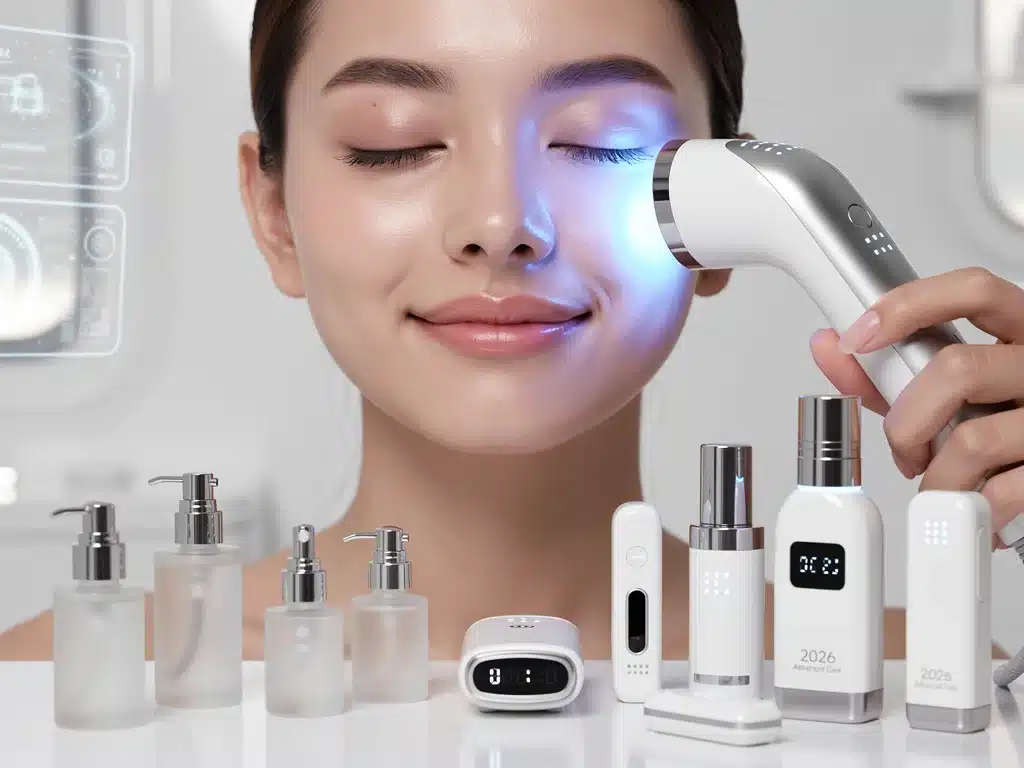
If your current regimen feels a bit stuck in the past, it’s time for a high-tech upgrade. Upgrading your daily Skincare Routines with the latest beauty innovations is no longer a futuristic dream—it is the ultimate way to achieve flawless skin this year.
The beauty industry has officially moved past the generic one-size-fits-all approach to embrace hyper-personalized, data-driven dermal care. Integrating advanced tools into your bathroom vanity means goodbye to guesswork and hello to cellular-level precision.
This breakdown explores three groundbreaking aesthetic technologies that are revolutionizing how we treat our complexion today. Get ready to future-proof your wellness habits and unlock your healthiest glow yet.
Advertisements
The Rise of AI-Powered Personalized Skincare Diagnostics
Artificial Intelligence (AI) is set to become an indispensable tool in understanding individual skin needs, offering diagnostic capabilities far beyond what was previously imaginable.
By 2026, AI-powered devices and applications will provide highly accurate, real-time analyses of skin conditions, ranging from hydration levels to subtle signs of aging.
These sophisticated systems leverage vast datasets and machine learning algorithms to interpret complex skin parameters, identifying specific concerns and recommending tailored treatment plans.
This level of precision eliminates guesswork, ensuring that skincare routines are optimized for maximum effectiveness. The personalization trend in skincare routines 2026 is heavily reliant on these diagnostic breakthroughs.
The integration of AI into daily skincare routines will empower consumers with actionable insights, allowing them to make informed decisions about their product choices and lifestyle adjustments.
This marks a profound shift towards a proactive and preventative approach to skin health, moving beyond reactive treatments. The future of skincare routines 2026 is undeniably intelligent.
Real-time Skin Analysis with Smart Devices
Smart skincare devices equipped with AI capabilities are already emerging, but by 2026, their sophistication will reach new heights.
These handheld tools can scan the skin, analyze various metrics, and provide instant feedback directly to a smartphone application, making advanced diagnostics accessible from home.
The data collected by these devices includes moisture content, oil balance, pore visibility, and even microscopic skin damage.
This comprehensive analysis allows for a dynamic adjustment of skincare routines based on daily environmental factors, stress levels, and physiological changes, ensuring optimal skin health at all times.
- Advanced sensors detect subtle skin changes.
- AI algorithms interpret data for personalized reports.
- Integrated apps offer product recommendations and routine adjustments.
- Continuous monitoring provides long-term skin health trends.
Tailoring Treatments with Predictive Analytics
Beyond current skin conditions, AI will enable predictive analytics to anticipate future skin concerns based on genetic predispositions, lifestyle, and environmental exposure.
This proactive approach will allow individuals to adapt their skincare routines to prevent issues before they manifest.
Imagine receiving alerts about potential sun damage risk or recommendations for anti-pollution products based on local air quality reports.
This level of foresight will revolutionize preventative skincare, making our routines truly adaptive and highly effective. The evolution of skincare routines 2026 will be defined by this forward-thinking capability.
The potential for early intervention through predictive analytics could significantly slow down the aging process and mitigate the impact of environmental stressors.
This technology represents a paradigm shift from treating symptoms to preventing their onset, ensuring healthier skin for longer. The impact on skincare routines 2026 will be monumental.
Biotechnology and Bio-Hacking for Enhanced Skin Repair
Biotechnology is ushering in an era of unprecedented skin repair and rejuvenation, focusing on cellular-level interventions that go beyond traditional topical applications. By 2026, we will see a surge in bio-engineered ingredients and treatments designed to optimize skin function and resilience.
These advancements involve leveraging the body’s natural regenerative processes, using bio-active compounds to stimulate collagen production, accelerate cell turnover, and repair damaged DNA.
The precision of biotechnology allows for highly targeted solutions that address specific skin concerns with remarkable efficacy. This is a core component of future skincare routines 2026.
The concept of ‘bio-hacking’ skincare involves manipulating biological processes to enhance skin health and appearance, representing a profound shift in how we approach anti-aging and skin repair.
This scientific frontier promises to deliver results that were once deemed impossible, setting new standards for effective skincare routines.
Peptide and Growth Factor Therapies
Peptides and growth factors are becoming increasingly sophisticated, with new formulations designed for enhanced penetration and targeted action.
These bio-signaling molecules communicate with skin cells, instructing them to perform specific functions like repair, regeneration, and collagen synthesis.
By 2026, advanced delivery systems will ensure these powerful ingredients reach deeper skin layers, maximizing their therapeutic potential.
Expect to see highly concentrated serums and specialized treatments that harness the power of these bio-stimulants to reverse signs of aging and improve skin texture.
- Targeted delivery systems enhance ingredient absorption.
- Stimulate natural collagen and elastin production.
- Accelerate cellular healing and regeneration.
- Reduce inflammation and improve skin barrier function.
Microbiome-Friendly Skincare Solutions
Understanding the skin’s microbiome – the ecosystem of microorganisms living on its surface – is crucial for maintaining skin health.
By 2026, skincare routines will heavily incorporate microbiome-friendly products designed to balance and nurture this delicate ecosystem, leading to stronger, healthier skin.
Disruptions to the skin microbiome can lead to issues like acne, eczema, and sensitivity. New prebiotics, probiotics, and postbiotics will work synergistically to support beneficial bacteria, fortifying the skin’s natural defenses and improving its overall resilience.
The focus on the microbiome is a defining feature of skincare routines 2026.
These innovative formulations will not only treat existing skin conditions but also prevent their recurrence by promoting a harmonious microbial environment.
This holistic approach to skin health recognizes the intricate connection between our skin and its microscopic inhabitants, offering a new pathway to radiant skin. The impact on skincare routines 2026 is undeniable.
Smart Patches and Wearable Technology for Continuous Care
Wearable technology is extending its reach into the realm of skincare, offering continuous monitoring and targeted treatment delivery through smart patches and integrated devices.
By 2026, these innovations will provide a seamless and highly effective way to manage skin health throughout the day and night.
Smart patches, embedded with micro-needles or active ingredient delivery systems, will provide sustained release of potent compounds directly into the skin.
This localized and prolonged exposure maximizes ingredient efficacy, addressing concerns like hyperpigmentation, fine lines, or localized inflammation with precision.
These wearable solutions represent a significant leap forward in convenience and effectiveness, transforming passive skincare into an active and continuous process.
The integration of smart patches and wearables will redefine daily skincare routines 2026, making advanced treatments more accessible and less time-consuming.
Micro-Needle Patches for Targeted Delivery
Micro-needle patches are evolving beyond simple transdermal delivery to incorporate advanced sensors and controlled release mechanisms.
These tiny, dissolvable needles painlessly deliver active ingredients like hyaluronic acid, peptides, or growth factors directly into the epidermis, bypassing the skin’s barrier for superior absorption.
By 2026, expect to see patches designed for specific areas and concerns, such as under-eye rejuvenation, spot treatment for acne, or targeted firming for neck and décolletage.
The precision of these patches ensures that potent ingredients are delivered exactly where they are needed, minimizing waste and maximizing results.
- Enhanced absorption of active ingredients.
- Targeted treatment for specific skin concerns.
- Convenient and non-invasive application.
- Controlled release for prolonged efficacy.
Integrated Wearables for Environmental Protection
Beyond direct treatment, wearable technology will play a crucial role in protecting the skin from environmental aggressors.
Devices integrated into clothing or accessories will monitor UV exposure, pollution levels, and even humidity, providing real-time data and alerts to users.
This proactive protection allows individuals to take immediate preventative measures, such as reapplying sunscreen, seeking shade, or using anti-pollution sprays.
By understanding and responding to environmental threats in real-time, these wearables will significantly enhance the effectiveness of daily skincare routines 2026.
The data collected by these wearables can also be integrated with AI diagnostic platforms, creating a holistic view of an individual’s skin health and environmental interactions.
This synergy between different technologies will lead to truly comprehensive and adaptive skincare solutions, defining the future of skincare routines 2026.

Sustainable Skincare Innovations for a Greener Future
The beauty industry’s future is inextricably linked to sustainability, and by 2026, eco-conscious practices will be integrated into every aspect of skincare routines. This includes not only product formulations but also packaging, manufacturing processes, and ingredient sourcing.
Consumers are increasingly demanding transparency and ethical responsibility from brands, driving innovation towards more environmentally friendly solutions.
The focus will shift towards circular economy principles, minimizing waste, and reducing the carbon footprint associated with skincare production.
This commitment to sustainability will not compromise efficacy; instead, it will foster the development of highly effective, natural, and scientifically backed ingredients. The intersection of advanced technology and ecological responsibility is a cornerstone of the evolving skincare routines 2026.
Waterless and Concentrated Formulations
Waterless skincare products are gaining traction, offering potent formulations that reduce water usage both in production and consumption. By 2026, concentrated serums, powders, and solid bars will become mainstream, providing powerful benefits with a minimal environmental impact.
These formulations often contain higher concentrations of active ingredients, meaning a little goes a long way, reducing product consumption and waste.
The shift to water-free products also aligns with global efforts to conserve water resources, making them a sustainable choice for future skincare routines.
- Reduces water consumption in manufacturing and use.
- Higher concentration of active ingredients for enhanced efficacy.
- Lower carbon footprint due to lighter, smaller packaging.
- Supports global water conservation efforts.
Bioprinted Skin Models for Ethical Product Testing
The development of bioprinted skin models offers a revolutionary approach to product testing, moving away from animal testing towards more ethical and accurate methods.
By 2026, these lab-grown skin equivalents will be widely used to assess the efficacy and safety of new skincare formulations.
These models closely mimic human skin, allowing for precise evaluation of ingredient penetration, irritation potential, and therapeutic effects.
This not only ensures product safety but also accelerates the development of innovative ingredients, bringing new solutions to market faster. This ethical advancement will shape future skincare routines 2026.
The ability to test products on realistic skin models provides a more reliable indicator of how formulations will perform on human skin, leading to more effective and safer products for consumers.
This scientific breakthrough underscores the industry’s commitment to both innovation and ethical practices, enhancing all skincare routines.
The Role of Personalized Nutrition in Skin Health
Beyond topical applications, the understanding of how nutrition impacts skin health is becoming increasingly sophisticated. By 2026, personalized nutritional guidance, often informed by genetic testing and microbiome analysis, will be an integral part of comprehensive skincare routines.
This approach recognizes that true skin health originates from within, influenced by dietary choices, gut health, and nutrient absorption. Tailored dietary recommendations will aim to optimize skin function, address specific concerns, and enhance the efficacy of topical treatments.
The synergy between internal wellness and external care will define the most advanced skincare routines 2026, offering a holistic pathway to radiant and resilient skin. This integrated strategy highlights the interconnectedness of overall health and dermatological well-being.
Nutrigenomics for Optimized Skin Diets
Nutrigenomics, the study of how genes interact with nutrients, will provide highly personalized dietary recommendations for skin health. By analyzing an individual’s genetic makeup, experts can identify specific nutrient deficiencies or sensitivities that impact skin condition.
These insights will lead to customized meal plans and supplement regimens designed to support optimal collagen production, reduce inflammation, and protect against oxidative stress. This level of dietary precision will elevate the effectiveness of skincare routines to new heights.
- Genetic analysis informs diet for skin health.
- Targets specific nutrient needs and sensitivities.
- Supports anti-aging and anti-inflammatory processes.
- Enhances the efficacy of topical skincare.
Gut-Skin Axis Optimization
The connection between gut health and skin health, known as the gut-skin axis, is gaining significant scientific attention. By 2026, interventions aimed at optimizing the gut microbiome through diet and probiotics will be a standard component of advanced skincare routines.
A balanced gut microbiome can reduce systemic inflammation, improve nutrient absorption, and positively influence skin barrier function.
Addressing gut dysbiosis can alleviate conditions like acne, rosacea, and sensitivity, showcasing the profound impact of internal health on external appearance. This integrated approach is vital for skincare routines 2026.
Expect to see a greater emphasis on prebiotics, probiotics, and fermented foods in dietary recommendations, alongside specialized supplements designed to support gut integrity.
This holistic perspective ensures that skincare routines are comprehensive, treating the body as an interconnected system for optimal results.
The Integration of Virtual and Augmented Reality in Skincare Consultations
Virtual Reality (VR) and Augmented Reality (AR) are poised to revolutionize how consumers engage with skincare experts and products.
By 2026, these immersive technologies will offer highly personalized consultation experiences and virtual product trials, enhancing accessibility and empowering informed decision-making.
AR applications will allow users to virtually ‘try on’ different skincare products, visualizing their effects on their own skin in real-time.
This reduces the uncertainty associated with online purchases and helps consumers select products that genuinely suit their needs and preferences. This interactive element will transform skincare routines 2026.
VR platforms will facilitate virtual consultations with dermatologists and estheticians, providing expert advice regardless of geographical location.
These immersive experiences will bridge the gap between in-person and online interactions, making professional skincare guidance more accessible than ever before. The future of skincare routines 2026 is becoming increasingly digital.
Virtual Product Try-Ons and Skin Simulation
AR-powered apps will enable users to simulate the effects of various skincare products, from serums to foundations, directly on their faces.
These simulations can project how a product might reduce redness, improve radiance, or minimize the appearance of pores, all before making a purchase.
This technology leverages advanced facial mapping and rendering to provide highly realistic previews, allowing consumers to experiment with different formulations and shades.
The ability to visualize results will significantly enhance consumer confidence and satisfaction, streamlining the product selection process.
- Realistic simulation of product effects on skin.
- Reduces guesswork in product selection.
- Enhances online shopping experience for skincare.
- Personalized product recommendations based on virtual trials.
Remote Dermatological Consultations via VR
Virtual Reality will enable highly interactive and detailed remote consultations with skincare professionals. Dermatologists will be able to examine high-resolution 3D models of a patient’s skin, discuss concerns, and recommend treatment plans from anywhere in the world.
These VR consultations can incorporate live data from smart skincare devices, providing a comprehensive view of the patient’s skin health.
This level of remote care will democratize access to expert dermatological advice, especially for individuals in remote areas or those with limited mobility. This is a crucial element of accessible skincare routines 2026.
The convenience and depth of VR consultations will make professional skincare guidance a regular part of many individuals’ health regimens.
This technology ensures that expert care is always within reach, supporting optimal skin health through continuous professional oversight. The evolution of skincare routines 2026 will be defined by this accessibility.
| Key Technology | Primary Impact on Skincare Routines |
|---|---|
| AI-Powered Diagnostics | Enables hyper-personalized skin analysis and product recommendations. |
| Biotechnology & Bio-Hacking | Focuses on cellular repair, regeneration, and microbiome balance. |
| Smart Patches & Wearables | Offers continuous monitoring and targeted ingredient delivery. |
| Personalized Nutrition & AR/VR | Integrates internal health with virtual consultations and product trials. |
Frequently Asked Questions About Skincare Routines in 2026
The biggest changes involve a shift towards hyper-personalization driven by AI diagnostics, advanced biotech formulations for cellular repair, and the widespread adoption of smart patches and wearable technology. These innovations will make skincare more precise, effective, and tailored to individual needs, fundamentally transforming traditional skincare routines.
AI will personalize your skincare routines by analyzing your skin’s unique characteristics through smart devices and applications. It will provide real-time data on hydration, oil levels, and potential issues, then recommend specific products and adjustments to your routine, ensuring optimal care based on your current skin condition and even predictive analytics for future concerns.
Yes, safety is a paramount concern for these emerging technologies. Bioprinted skin models are enabling more ethical and accurate product testing, ensuring formulations are thoroughly vetted before reaching consumers. Smart devices and wearables are designed with user safety in mind, adhering to stringent industry standards to ensure they are safe and effective for daily integration into skincare routines.
Sustainability is becoming a core pillar of skincare routines. By 2026, there will be a significant emphasis on waterless formulations, eco-friendly packaging, and ethical ingredient sourcing. Brands are increasingly adopting circular economy principles to minimize environmental impact, ensuring that advanced skincare is not only effective but also responsible and sustainable for the planet.
Personalized nutrition will integrate into skincare routines by providing dietary recommendations based on genetic testing and gut microbiome analysis. This approach recognizes that skin health starts from within. By optimizing your diet to support specific skin needs and gut health, you can enhance overall skin resilience, reduce inflammation, and improve the efficacy of topical treatments.
Looking Ahead
The convergence of AI, biotechnology, and wearable technology is not merely an incremental improvement; it represents a fundamental re-imagining of skincare routines.
By 2026, consumers will have access to tools and treatments that are more precise, proactive, and personalized than ever before, moving beyond generic solutions to truly address individual needs.
The ongoing developments in sustainable practices also ensure that these advancements are not only effective but also environmentally conscious, aligning with a growing global imperative.
These innovations promise a future where optimal skin health is achievable for everyone, redefining beauty standards and personal care experiences. The landscape of skincare routines 2026 will be a testament to human ingenuity and scientific progress.
