Body Positivity Approaches: Long-Term Results for 2026

Advertisements
How we view ourselves is undergoing a massive cultural shift. In 2026, understanding which Body Positivity Approaches actually foster lasting self-acceptance has become essential for anyone navigating the noise of modern wellness trends.
This intense conversation around radical self-love and body neutrality requires looking past superficial social media slogans. True, sustainable mental well-being depends on evidence-based strategies that dismantle deeply ingrained societal ideals and toxic comparison habits.
Are your self-care practices genuinely healing your relationship with your mirror, or just offering a temporary fix? Explore our comprehensive breakdown of the most effective inclusivity frameworks designed for permanent emotional resilience.
Advertisements
Understanding the Evolution of Body Positivity
Body positivity, as a movement, has undergone significant transformations since its inception. Initially rooted in fat acceptance and challenging oppressive beauty standards, its scope has broadened considerably.
This evolution reflects a growing awareness of diverse body experiences and the complex interplay of identity and self-perception.
Early iterations focused heavily on visible representation and direct confrontation of discrimination. While these aspects remain crucial, newer approaches often integrate mental health, self-care, and a more nuanced understanding of individual journeys.
The goal is no longer just acceptance, but often genuine appreciation and respect for one’s own body, regardless of societal pressures.
This dynamic landscape necessitates a careful Comparison of Body Positivity Approaches to identify sustainable paths. As we move towards 2026, the strategies that prioritize holistic well-being and address systemic issues are likely to gain more traction.
The focus is shifting from superficial affirmations to deeper, more integrated practices.
Traditional Body Positivity: Strengths and Limitations
Traditional body positivity emphasizes celebrating all body types and challenging unrealistic beauty ideals perpetuated by media.
Its core strength lies in fostering a sense of community and visibility for marginalized bodies. This approach has been instrumental in normalizing diverse appearances and reducing body shaming.
However, critics argue that traditional body positivity sometimes inadvertently places too much focus on appearance, even if it’s about accepting all appearances.
This can lead to a new set of pressures, where individuals might feel obligated to feel positive about their bodies constantly, regardless of their internal state. The movement’s commercialization has also raised concerns about authenticity.
Another limitation is its potential to overlook the experiences of individuals with body dysmorphia or severe eating disorders, where simply ‘loving your body’ might not be a sufficient or appropriate solution.
A thorough Comparison of Body Positivity Approaches must consider these nuances to recommend truly inclusive and effective strategies.
The Role of Representation in Traditional Body Positivity
Increased representation of diverse body types in media, advertising, and fashion has been a cornerstone of traditional body positivity. Seeing people who look like them helps individuals feel less alone and more accepted. This visual affirmation is a powerful tool for shifting public perception.
This push for representation challenges the narrow beauty standards that have historically dominated. Brands and publications are increasingly featuring models of different sizes, ages, and abilities. This visibility helps dismantle the idea that only one body type is desirable or acceptable.
- Normalizes diverse body shapes and sizes.
- Challenges media’s narrow beauty ideals.
- Fosters a sense of belonging and validation.
Critiques of Superficiality and Commercialization
Despite its positive impact, traditional body positivity faces criticism for becoming superficial or commodified.
Some argue that it has been co-opted by brands for marketing purposes, diluting its original radical message. This commercialization can turn a movement of liberation into another consumer trend.
Furthermore, the pressure to always feel positive about one’s body can be exhausting and unrealistic. It can inadvertently create a new standard where any negative body feelings are deemed a failure. This aspect is crucial for a comprehensive Comparison of Body Positivity Approaches.
Body Neutrality: A Different Path to Peace
Body neutrality offers an alternative perspective, suggesting that individuals do not need to actively love their bodies but rather appreciate what their bodies can do.
This approach aims to shift focus away from appearance altogether, emphasizing functionality and respect. It provides a middle ground for those who find body positivity’s demands overwhelming.
The core principle of body neutrality is detachment from body image as a source of self-worth. It encourages acknowledging one’s body without judgment, good or bad, and focusing on internal qualities and actions.
This can be particularly helpful for individuals struggling with intense body image issues, as it removes the pressure to feel constantly positive.
For a meaningful Comparison of Body Positivity Approaches, body neutrality’s emphasis on functionality over aesthetics presents a compelling case for long-term mental well-being. It promotes a sustainable relationship with one’s body, free from the constant evaluation of appearance that pervades modern society.
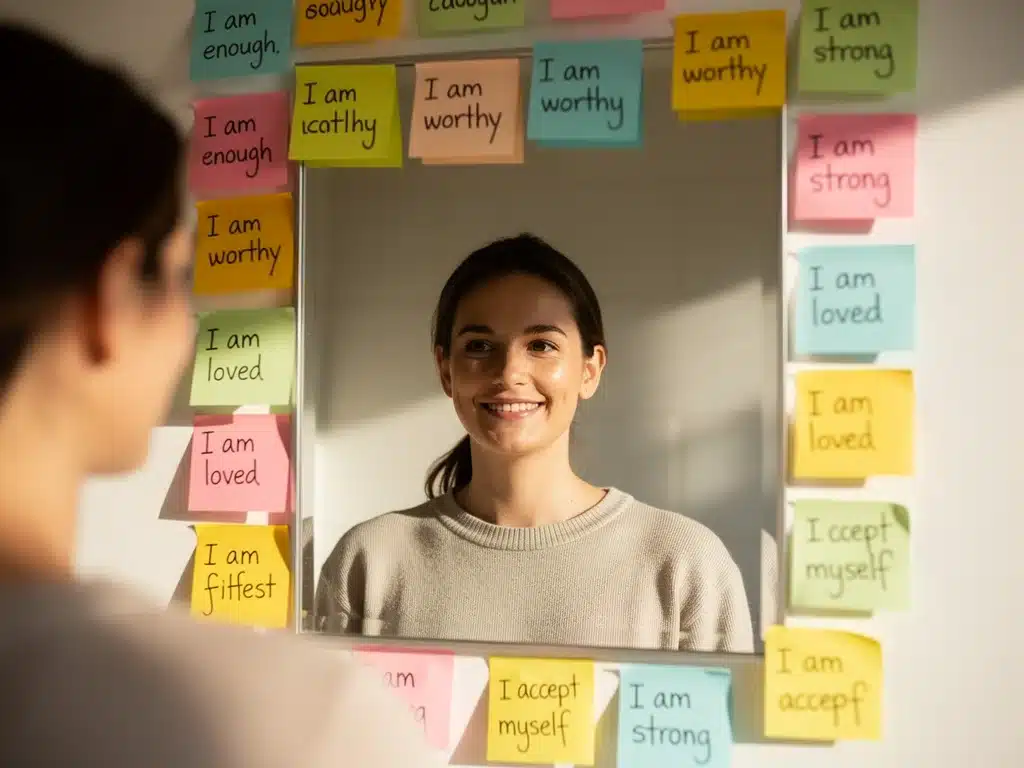
Health at Every Size (HAES): Prioritizing Well-being
The Health at Every Size (HAES) approach advocates for health-focused behaviors rather than weight-centric ones. It posits that health can be achieved by individuals of all sizes, challenging the pervasive societal belief that thinness equates to health.
This paradigm shift encourages intuitive eating, joyful movement, and addressing systemic barriers to health care.
HAES emphasizes that weight is not a reliable indicator of health and that focusing on weight loss often leads to detrimental outcomes, including yo-yo dieting and disordered eating patterns.
Instead, it promotes a holistic view of well-being, including mental, emotional, and physical health, independent of body size. This approach provides a robust framework for improving overall health without the pressure of conforming to specific aesthetic ideals.
When conducting a Comparison of Body Positivity Approaches, HAES stands out for its evidence-based foundation and its focus on sustainable, health-promoting behaviors.
Its long-term efficacy is rooted in shifting the conversation from appearance and weight to genuine well-being and self-care, making it a strong contender for lasting positive impact.
Key Principles of the HAES Approach
HAES is built upon several core principles that guide its practice and philosophy. These principles aim to create a more inclusive and effective path to health and body acceptance.
They move beyond superficial concerns to address the root causes of body dissatisfaction and health disparities.
These principles emphasize respect, critical awareness, compassionate self-care, and the pursuit of health-enhancing behaviors. They challenge the medical and societal weight stigma that often prevents individuals from receiving appropriate care and support.
Adopting these principles can lead to profound and lasting changes in how individuals relate to their bodies and health.
- Weight inclusivity: Accept and respect the inherent diversity of body shapes and sizes.
- Health enhancement: Support health policies that improve access to information and services.
- Eating for well-being: Promote flexible, individualized eating based on hunger, satiety, and pleasure.
- Respectful care: Acknowledge weight bias and work to end weight discrimination.
HAES and Mental Health Outcomes
The HAES approach has demonstrated significant positive impacts on mental health, particularly for individuals with a history of disordered eating or chronic dieting.
By removing the emphasis on weight, HAES reduces body dissatisfaction, anxiety, and depression. It fosters a more peaceful relationship with food and one’s body, promoting internal rather than external validation.
This reduction in psychological distress is crucial for long-term well-being and self-acceptance. When individuals are freed from the constant pressure to conform to an ideal body size, they can redirect their energy towards more fulfilling aspects of life.
This holistic benefit makes HAES a compelling option in the Comparison of Body Positivity Approaches.
Intuitive Eating: Listening to Your Body’s Cues
Intuitive eating is a framework that teaches individuals to honor their hunger, recognize fullness, and respect their bodies. It moves away from diet culture and external rules about eating, encouraging an internal dialogue with one’s physiological and psychological needs.
This approach is not about weight loss but about fostering a healthy and sustainable relationship with food.
The ten principles of intuitive eating, developed by Evelyn Tribole and Elyse Resch, guide individuals toward becoming attuned to their body’s signals.
These principles include rejecting the diet mentality, making peace with food, challenging the food police, and feeling your fullness. It’s a profound shift from restrictive eating to a more mindful and compassionate approach.
Incorporating intuitive eating into a Comparison of Body Positivity Approaches highlights its potential for enduring positive outcomes.
By fostering a trusting relationship with food and one’s body, it addresses deeply ingrained patterns of disordered eating and body dissatisfaction, leading to sustained improvements in overall well-being.
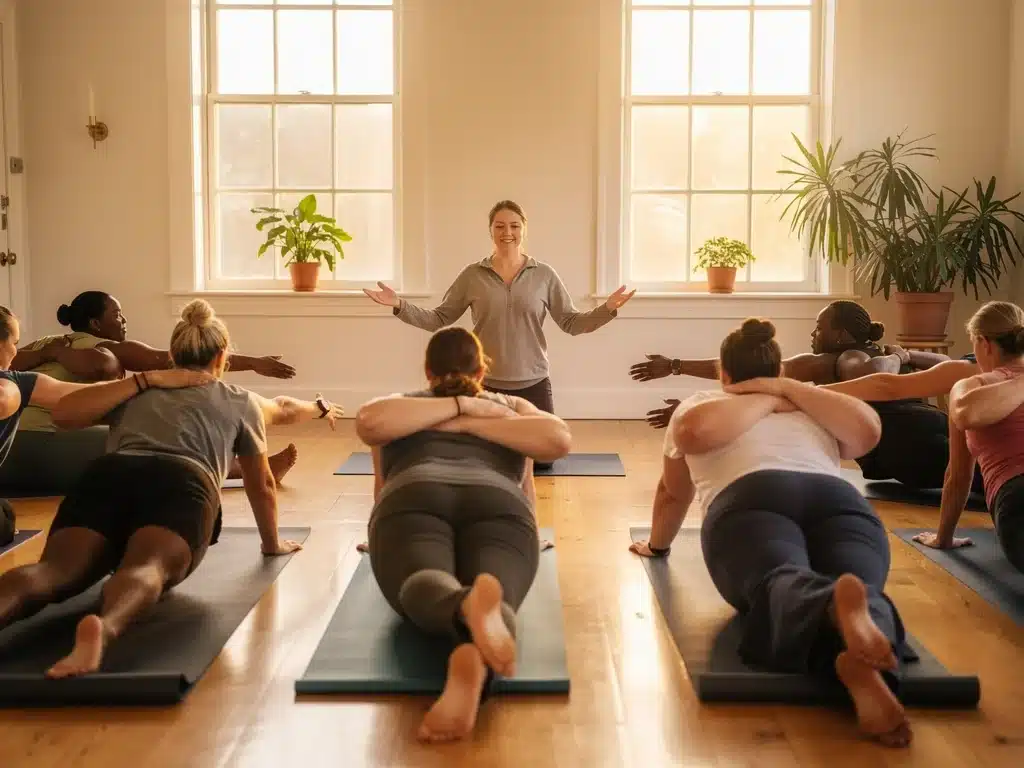
Mindful Movement and Self-Compassion
Mindful movement encourages individuals to engage in physical activity for joy and well-being, rather than as a punishment or a means to change their body shape.
It involves paying attention to the sensations of movement, connecting with the body, and respecting its current capabilities. This approach contrasts sharply with exercise routines driven by aesthetic goals.
Self-compassion, a concept championed by Dr. Kristin Neff, involves treating oneself with kindness, understanding, and acceptance, especially during times of struggle.
It’s about recognizing one’s shared humanity and being present with difficult emotions without judgment. Integrating self-compassion into body image work can significantly reduce self-criticism and foster resilience.
When assessing a Comparison of Body Positivity Approaches, the combination of mindful movement and self-compassion offers a powerful, internally driven strategy. These practices cultivate a deeper, more nurturing relationship with the body and self, moving beyond external validation to intrinsic worth.
Practicing Self-Compassion for Body Image
Applying self-compassion to body image involves acknowledging feelings of dissatisfaction or discomfort without judgment.
It means recognizing that these feelings are part of the human experience and offering oneself the same kindness one would offer a friend. This gentle approach can break cycles of self-criticism and shame.
Techniques like mindful self-compassion meditations and journaling can help cultivate this practice. By fostering an inner environment of understanding and acceptance, individuals can gradually shift their relationship with their bodies.
This internal shift is critical for achieving lasting positive results in the realm of body image.
- Acknowledge difficult emotions without judgment.
- Treat oneself with kindness and understanding.
- Recognize common humanity in body struggles.
The Benefits of Mindful Movement
Mindful movement transforms physical activity from a chore into an act of self-care and enjoyment. By focusing on how the body feels during exercise, rather than how it looks, individuals can develop a more positive and sustainable relationship with activity.
This approach promotes consistency and reduces the risk of burnout or injury.
It also enhances body awareness, allowing individuals to better understand their physical limits and strengths.
Engaging in activities like yoga, walking in nature, or dancing with intention can improve mood, reduce stress, and cultivate a sense of gratitude for one’s physical capabilities. This holistic benefit makes it a key component in any effective Comparison of Body Positivity Approaches.
Social Media’s Impact and Digital Detox Strategies
Social media platforms have become double-edged swords in the body positivity movement. While they offer spaces for community and diverse representation, they also amplify unrealistic beauty standards and comparison culture.
The constant influx of curated images can severely impact self-esteem and body image, making digital literacy and detox strategies essential.
Scrolling through highly edited photos and aspirational content can trigger feelings of inadequacy and anxiety. Recognizing this, many experts now recommend strategic digital detoxes or mindful social media consumption.
This involves intentionally limiting exposure to content that negatively affects one’s body image and actively seeking out empowering, diverse voices.
In the context of a Comparison of Body Positivity Approaches, digital detox strategies are not merely supplementary but foundational.
Managing digital environments is crucial for protecting mental health and fostering a positive self-image in an increasingly online world. The ability to curate one’s digital experience will be a key factor in sustained well-being.
Systemic Changes and Advocacy for Inclusivity
Beyond individual strategies, achieving long-term body positivity requires systemic changes and ongoing advocacy. This involves challenging discriminatory practices in industries like fashion, healthcare, and media that perpetuate body shaming and exclusion.
Policy changes, educational reforms, and corporate accountability are vital components of this broader effort.
Advocacy groups are working to promote size diversity in all sectors, push for ethical advertising standards, and ensure equitable access to non-discriminatory healthcare for all body sizes.
These efforts aim to dismantle the structural barriers that prevent individuals from achieving true body acceptance and health. Systemic change creates an environment where individual efforts can flourish more effectively.
A comprehensive Comparison of Body Positivity Approaches must acknowledge that personal growth is intertwined with societal progress.
The strategies that integrate individual empowerment with collective action to reshape cultural narratives are likely to yield the most profound and lasting results. This dual approach ensures that the movement addresses both personal and structural challenges.
Integrating Approaches for Optimal Results
The most effective long-term results for Body Positivity Approaches by 2026 will likely come from an integrated strategy that combines elements from various movements.
No single approach is a panacea; rather, a personalized blend of body neutrality, HAES principles, intuitive eating, self-compassion, and mindful media consumption offers the most robust path to sustainable well-being.
For individuals, this means adopting a flexible mindset, understanding that their journey will evolve, and prioritizing what genuinely supports their mental and physical health.
It involves moving beyond rigid doctrines and embracing a holistic perspective that honors individual needs and experiences. This adaptable framework allows for continuous growth and resilience.
This integrated approach acknowledges the complexity of body image issues and offers multiple tools to address them.
By combining external advocacy with internal practices, individuals and communities can build a more compassionate and inclusive world. This comprehensive view is essential for a meaningful Comparison of Body Positivity Approaches.
| Approach | Key Focus |
|---|---|
| Traditional Body Positivity | Celebrating all body types, challenging beauty standards |
| Body Neutrality | Appreciating body functionality, shifting focus from appearance |
| Health at Every Size (HAES) | Health-focused behaviors, intuitive eating, joyful movement |
| Self-Compassion & Mindful Movement | Kindness to self, non-judgmental physical activity |
Frequently Asked Questions About Body Positivity Approaches
Body positivity encourages actively loving and celebrating your body, regardless of societal standards. Body neutrality, conversely, suggests accepting your body without necessarily loving it, focusing instead on its functions and capacities. It aims to reduce the emotional investment in appearance, offering a less pressure-filled alternative for some.
Yes, Health at Every Size (HAES) principles are designed to be universally applicable. They advocate for health-promoting behaviors like intuitive eating and joyful movement for all individuals, irrespective of their current weight or health conditions. The focus is on holistic well-being rather than a specific body size or medical diagnosis.
Social media can both support and hinder body positivity. It offers platforms for diverse representation and community building, but also exposes individuals to unrealistic beauty standards and constant comparison. Mindful engagement and digital detoxes are crucial strategies to mitigate negative impacts and leverage positive influences effectively.
Self-compassion is vital because it addresses the internal critic and fosters a kind, understanding relationship with oneself. It allows individuals to acknowledge body image struggles without judgment, reducing shame and fostering resilience. This internal shift is more sustainable than external validation and supports lasting self-acceptance and peace.
Systemic changes are crucial for creating an environment where individual body positivity can thrive. This includes challenging discriminatory practices in media, fashion, and healthcare, and advocating for inclusive policies. Without addressing societal pressures and biases, individual efforts may be undermined, making widespread acceptance difficult to achieve.
Looking Ahead: The Future of Body Acceptance
The ongoing Comparison of Body Positivity Approaches highlights a clear trend towards more integrated and nuanced strategies.
The future of body acceptance will likely prioritize holistic well-being over superficial appearance, blending mental health practices with mindful living and systemic advocacy.
This comprehensive evolution promises a more sustainable and inclusive path forward for all individuals.
