Comparing 4 Leading Body Positivity Initiatives in the US: What’s Working in 2026?
Advertisements
Latest developments on Comparing 4 Leading Body Positivity Initiatives in the US: What’s Working in 2026?, with key facts, verified sources and what readers need to monitor next in the United States, presented clearly in English (United States).
This update prioritizes what has changed, why it matters, and what to watch next in a straightforward news format. These initiatives are actively shaping public perception.
Understanding their impact is crucial for anyone interested in evolving societal norms around body image and self-worth.
Advertisements
Comparing 4 Leading Body Positivity Initiatives in the US: What’s Working in 2026? is shaping today’s agenda with new details released by officials and industry sources. The movement, which advocates for acceptance of all body types, continues to gain momentum, evolving beyond mere size inclusivity to encompass diversity in appearance, ability, and identity.
As 2026 progresses, the landscape of body positivity in the United States is marked by several prominent initiatives demonstrating significant impact. These programs aim to dismantle unrealistic beauty standards and foster a culture of self-love and acceptance.
This analysis delves into four key initiatives, examining their strategies, successes, and ongoing challenges in promoting a healthier societal relationship with body image.
Understanding the Evolution of Body Positivity in 2026
The body positivity movement in the US has broadened its scope considerably by 2026, moving past initial focuses on weight to embrace a more intersectional approach. This evolution recognizes that body image issues are deeply intertwined with race, gender, disability, and socioeconomic status.
Initiatives are now critically examining systemic biases embedded in media, fashion, and healthcare, pushing for representation and equitable treatment for all body types. This shift reflects a maturing understanding of the complex factors influencing self-perception and societal acceptance.
The goal is to create truly inclusive spaces where every individual feels seen, valued, and respected, regardless of their physical appearance. This deeper commitment to equity is a defining characteristic of effective Body Positivity Initiatives US in the current year.
The “All Bodies Are Good Bodies” Campaign: Broadening the Narrative
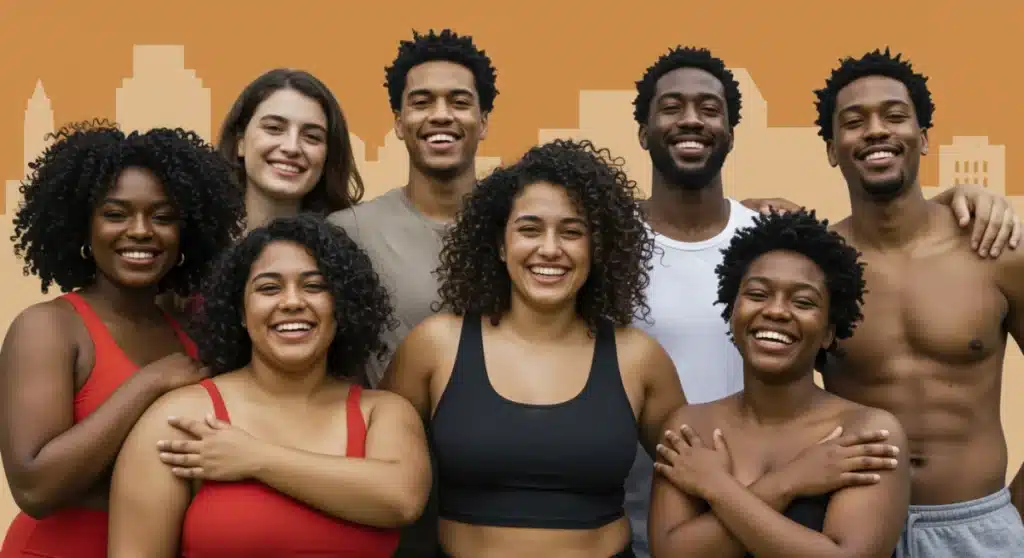
The “All Bodies Are Good Bodies” campaign has emerged as a powerful voice, utilizing social media and community outreach to challenge conventional beauty standards. This initiative prioritizes authentic representation across all its platforms, featuring individuals of diverse sizes, ages, ethnicities, and abilities.
Its success lies in its decentralized approach, empowering individuals to share their personal stories and redefine beauty on their own terms. The campaign’s emphasis on mental well-being and self-care further distinguishes it, promoting holistic health over appearance-centric ideals.
Through consistent messaging and active engagement, “All Bodies Are Good Bodies” is effectively shifting public discourse and fostering a more accepting environment for various body types. This is a prime example of effective Body Positivity Initiatives US.
Digital Engagement and Community Building
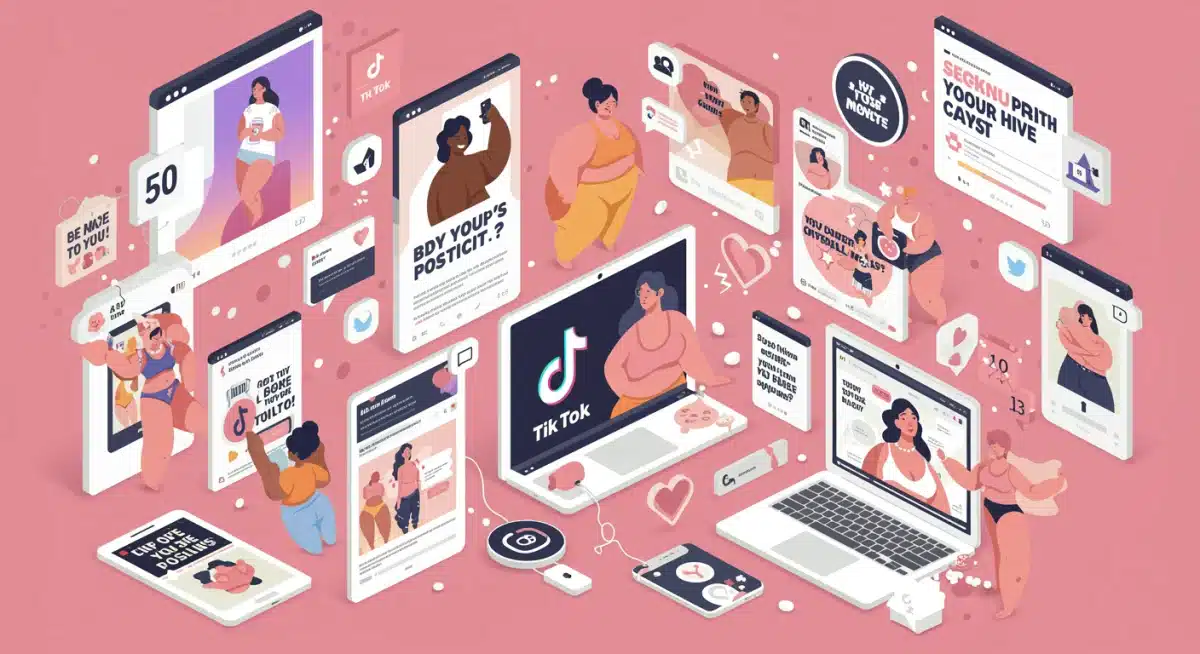
The campaign leverages platforms like Instagram, TikTok, and YouTube to disseminate its message, using hashtags and user-generated content to amplify voices. Interactive challenges and live Q&A sessions with body positivity advocates foster a strong sense of community.
These digital spaces serve as vital hubs for support and education, allowing participants to connect, share experiences, and learn from one another. The accessibility of these platforms ensures a broad reach, making the movement more inclusive.
Partnerships and Educational Outreach
“All Bodies Are Good Bodies” collaborates with educational institutions and mental health organizations to develop resources and workshops. These partnerships provide evidence-based strategies for fostering positive body image in younger generations.
The workshops focus on media literacy, critical thinking about advertising, and practical exercises for building self-esteem. By engaging with schools and universities, the campaign addresses the root causes of body dissatisfaction at an early stage.
- Development of age-appropriate curriculum for K-12 schools.
- Hosting university seminars on body image and mental health.
- Providing resources for parents and educators to discuss body positivity.
The “Health At Every Size” (HAES) Movement: A Science-Backed Approach
The Health At Every Size (HAES) movement continues to be a cornerstone of Body Positivity Initiatives US, offering a paradigm shift from traditional weight-centric health models. HAES advocates for policies and practices that prioritize well-being over weight loss, focusing on health-promoting behaviors regardless of body size.
Its principles emphasize intuitive eating, joyful movement, and respect for body diversity, challenging the pervasive societal fatphobia within healthcare and public health. In 2026, HAES has gained further traction among medical professionals and researchers, leading to more inclusive patient care.
The movement’s evidence-based approach makes it particularly effective in advocating for systemic change and influencing public policy. This initiative is crucial for long-term health equity.
Integrating HAES into Healthcare Systems
Hospitals and clinics are increasingly adopting HAES principles, training healthcare providers to offer weight-neutral care that focuses on health behaviors. This includes shifting away from BMI as the sole indicator of health and addressing weight stigma in medical settings.
These changes are leading to improved patient outcomes, as individuals feel more comfortable seeking medical advice without fear of judgment or unsolicited weight loss recommendations. The emphasis is on overall well-being, not just a number on a scale.
Public Health Advocacy and Research
HAES advocates actively engage in public health policy debates, pushing for regulations that protect against weight discrimination and promote body diversity. Research funded by HAES-aligned organizations provides crucial data supporting its effectiveness.
These efforts include studies on the long-term impacts of weight stigma, the benefits of intuitive eating, and the psychological advantages of body acceptance. The scientific rigor behind HAES strengthens its position as a leading initiative.
- Publication of peer-reviewed studies on HAES effectiveness.
- Collaboration with government agencies on non-discriminatory health policies.
- Development of educational materials for public consumption, debunking weight myths.
Project “True Beauty”: Challenging Media Portrayals
Project “True Beauty” is a focused initiative dedicated to transforming how bodies are depicted in media and advertising throughout the United States. Recognizing the immense influence of visual culture, this project works directly with media companies, advertisers, and content creators to encourage more realistic and diverse representations.
In 2026, “True Beauty” has achieved significant milestones, including commitments from major brands to cease airbrushing and digitally altering models in their campaigns. This initiative goes beyond simple inclusion, pushing for authentic storytelling that celebrates individuality over idealized perfection.
Their persistent advocacy is reshaping consumer expectations and driving a more ethical approach to visual communication. This is a powerful demonstration of Body Positivity Initiatives US creating tangible change.
Industry Partnerships and Guidelines
The project has forged alliances with leading fashion magazines, advertising agencies, and social media platforms, establishing guidelines for ethical representation. These guidelines include transparency about image alterations and the promotion of diverse body types.
These partnerships are critical for implementing widespread change, as they directly influence the content consumed by millions daily. The goal is to make diverse representation the industry standard, not an exception.
Consumer Awareness and Advocacy
“True Beauty” also mobilizes consumers through awareness campaigns, encouraging them to demand more authentic portrayals from brands. The initiative provides tools for consumers to identify and challenge unrealistic beauty standards in media.
This includes public petitions, social media challenges, and educational content that highlights the psychological impact of media manipulation. Empowered consumers become active participants in driving industry accountability.
- Launching public campaigns to boycott brands with unrealistic imagery.
- Providing templates for consumers to write to advertisers.
- Creating educational content on media literacy and critical viewing.
The “Body Confident Teens” Program: Nurturing Future Generations
The “Body Confident Teens” program addresses the critical need for body positivity education among adolescents in the US. This initiative focuses on developing resilience and self-esteem in young people, who are particularly vulnerable to societal pressures and media influences regarding their appearance.
By 2026, the program has expanded into numerous school districts nationwide, offering workshops and resources designed to foster a healthy relationship with one’s body. The curriculum emphasizes self-compassion, critical media analysis, and the celebration of individual uniqueness.
Investing in youth is paramount for creating a future generation that embraces body diversity and rejects harmful beauty ideals. This initiative is a proactive and vital component of Body Positivity Initiatives US.
School-Based Workshops and Curriculum
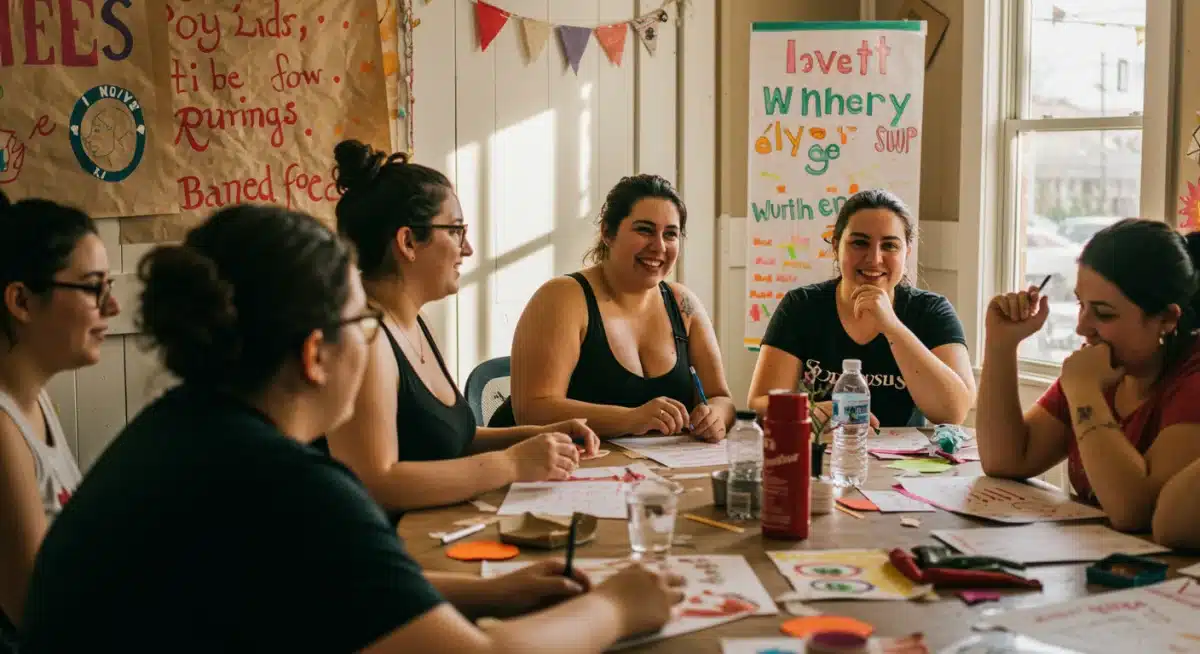
The program offers interactive workshops within schools, led by trained facilitators who guide discussions on body image, self-esteem, and peer pressure. These sessions provide a safe space for teenagers to explore their feelings and develop coping mechanisms.
The curriculum integrates activities that promote positive self-talk, mindful movement, and healthy eating habits without focusing on weight. It’s about developing a robust inner foundation for self-acceptance.
Parental and Educator Resources
“Body Confident Teens” recognizes the crucial role of parents and educators, providing them with resources to support young people. These materials offer guidance on how to discuss body image in a positive and constructive manner.
Workshops for adults cover topics such as identifying signs of body image issues, modeling healthy behaviors, and creating a supportive home and school environment. This holistic approach ensures consistent messaging and support for teenagers.
- Online modules for parents on fostering body positivity at home.
- Training sessions for teachers on integrating body-positive themes into lessons.
- Support groups for parents navigating adolescent body image challenges.
Challenges and Future Directions for Body Positivity in the US
Despite significant progress, Body Positivity Initiatives US still face formidable challenges, including the pervasive influence of diet culture and the relentless pressure from social media. The commercialization of “wellness” often co-opts body positive language, twisting it into new forms of self-surveillance and unattainable ideals.
Another hurdle is ensuring that the movement remains genuinely inclusive, continually addressing the needs of marginalized communities whose experiences are often overlooked. The fight against fatphobia and other forms of body discrimination requires ongoing vigilance and sustained advocacy.
Looking ahead, the success of these initiatives will depend on their ability to adapt to evolving cultural landscapes and maintain their authentic message amidst commercial pressures. Collaboration between different initiatives will also be key to amplifying their collective impact.
Combating Commercialization and Misinformation
Many brands have attempted to capitalize on the body positivity trend, often in ways that undermine its core principles. This includes promoting products for “self-love” that are ultimately tied to altering one’s appearance, creating a paradox.
Initiatives must actively educate the public on how to discern genuine body positivity from commercial exploitation and misinformation. Critical media literacy is more important than ever in this context.
Ensuring Intersectional Inclusivity
The movement must continue to prioritize the voices and experiences of individuals from all backgrounds, including those with disabilities, people of color, and transgender individuals. True body positivity is inherently intersectional, acknowledging diverse struggles.
This means actively seeking out and elevating marginalized perspectives, ensuring that the initiatives address the unique challenges faced by these communities. Without this, the movement risks becoming superficial or exclusive.
- Developing specific programs for diverse cultural groups.
- Partnering with disability advocacy organizations.
- Creating platforms for LGBTQ+ individuals to share their body positive journeys.
The Broader Impact of Body Positivity on American Society
The cumulative effect of these Body Positivity Initiatives US is a gradual but profound shift in American societal attitudes towards body image. There is a growing recognition that diverse bodies are not only acceptable but also beautiful and deserving of respect.
This cultural transformation is evident in advertising, entertainment, and public discourse, creating a more compassionate environment for individuals struggling with body image issues. The long-term benefits include improved mental health outcomes and reduced instances of eating disorders.
The movement is fostering a society where self-worth is decoupled from physical appearance, promoting a healthier and more authentic sense of self. This fundamental change is vital for collective well-being.
Mental Health and Well-being Outcomes
Research indicates that engagement with body positive messages can significantly improve self-esteem and reduce symptoms of depression and anxiety. By promoting self-acceptance, these initiatives contribute directly to mental health.
Individuals who embrace body positivity are often more likely to engage in health-promoting behaviors, not out of a desire to change their body, but out of care for their body. This leads to a more sustainable and joyful approach to health.
Economic and Social Shifts
The demand for inclusive sizing in fashion and more diverse representation in media is driving economic shifts, forcing industries to adapt. Brands that fail to embrace body diversity risk alienating a significant portion of the consumer market.
Socially, the movement is challenging entrenched biases and promoting a more equitable and respectful society. This includes advocating for anti-discrimination policies based on body size and appearance, extending civil rights protections to all.
- Growth of inclusive fashion lines and beauty products.
- Increased demand for diverse casting in film and television.
- Advocacy for legislation against weight discrimination in employment and housing.
| Initiative | Key Focus |
|---|---|
| All Bodies Are Good Bodies | Digital storytelling and community for diverse representation. |
| Health At Every Size (HAES) | Weight-neutral health approach, intuitive eating. |
| Project True Beauty | Challenging media portrayals, ethical advertising. |
| Body Confident Teens | Youth education, self-esteem, critical media analysis. |
Frequently Asked Questions About Body Positivity Initiatives
Successful initiatives in 2026 are defined by their intersectional approach, promoting inclusivity across all body types, abilities, and identities. They often integrate digital outreach with community-based programs and advocate for systemic changes in media and healthcare. Their impact is measurable through shifts in public perception and policy.
Many initiatives, particularly the Health At Every Size (HAES) movement, prioritize health-promoting behaviors over weight loss. They advocate for weight-neutral healthcare, focusing on holistic well-being, intuitive eating, and joyful movement. The goal is to separate health from body size and combat weight stigma in medical settings.
Social media is a crucial tool for amplifying messages, building communities, and fostering engagement. Campaigns like “All Bodies Are Good Bodies” use platforms to share personal stories, challenge beauty standards, and connect individuals. It allows for rapid dissemination of information and supports user-generated content.
Yes, significant challenges include combating the pervasive influence of diet culture, commercial co-option of body positive messaging, and ensuring genuine intersectional inclusivity. Misinformation and the pressure to conform to unrealistic beauty ideals continue to be major hurdles for sustained progress and authentic impact.
Individuals can support these efforts by engaging with and sharing body positive content, advocating for inclusive policies in their communities, and critically analyzing media portrayals. Supporting brands that genuinely champion diversity and challenging those that promote harmful standards also contributes significantly to the movement’s goals.
Impact and Implications
The ongoing efforts of Body Positivity Initiatives US are not merely trend-driven but represent a fundamental shift in societal values. The increasing awareness and adoption of body-positive principles indicate a future where self-worth is less dictated by external appearances and more by intrinsic value. This transformation holds profound implications for public health, media ethics, and personal well-being across the nation.
Mental Health and Well-being Outcomes
Research indicates that engagement with body positive messages can significantly improve self-esteem and reduce symptoms of depression and anxiety. By promoting self-acceptance, these initiatives contribute directly to mental health.
Individuals who embrace body positivity are often more likely to engage in health-promoting behaviors, not out of a desire to change their body, but out of care for their body. This leads to a more sustainable and joyful approach to health.
Economic and Social Shifts
The demand for inclusive sizing in fashion and more diverse representation in media is driving economic shifts, forcing industries to adapt. Brands that fail to embrace body diversity risk alienating a significant portion of the consumer market.
Socially, the movement is challenging entrenched biases and promoting a more equitable and respectful society. This includes advocating for anti-discrimination policies based on body size and appearance, extending civil rights protections to all.
- Growth of inclusive fashion lines and beauty products.
- Increased demand for diverse casting in film and television.
- Advocacy for legislation against weight discrimination in employment and housing.
