Beyond Aesthetics: How 4 Key Body Positivity Principles Can Transform Your Daily Life
Advertisements
True self-love goes far deeper than a reflection in the mirror, making the adoption of core Body Positivity Principles essential for a balanced life. Cultivating a healthy relationship with your physical self is no longer just a trend—it is a vital pillar of mental well-being.
This modern approach to self-acceptance encourages you to look past societal standards and embrace radical inclusivity. By focusing on somatic respect and emotional harmony, we can shift our internal narrative from harsh criticism to genuine gratitude.
Integrating these transformative guidelines into your routine provides a powerful blueprint for long-term personal growth. Discover how prioritizing body neutrality and self-compassion can fundamentally elevate your daily confidence and mental peace.
The Evolution of Body Positivity: A New Paradigm
The concept of body positivity has undergone a significant transformation, moving from a niche movement to a mainstream ideology. This evolution is driven by increasing awareness of mental health and the detrimental effects of unrealistic beauty standards.
As we approach mid2026, the focus is shifting dramatically from merely accepting diverse body types to actively promoting self-love and respect, regardless of physical appearance. This deeper understanding is crucial for fostering genuine self-esteem.
This new paradigm for Body Positivity Principles emphasizes that true well-being stems from internal validation, not external conformity. It’s about cultivating a healthy relationship with one’s body as an instrument of life, rather than solely an object of aesthetic judgment.
Principle 1: Radical Self-Acceptance as a Daily Practice
Radical self-acceptance involves consciously choosing to value and respect one’s body exactly as it is, without conditions or comparisons. This goes beyond mere tolerance; it’s an active embrace of all physical attributes.
By mid 2026, this principle is anticipated to be a cornerstone of mental wellness strategies, encouraging individuals to challenge internalized biases and societal pressures. It promotes a profound shift from self-criticism to self-compassion, impacting overall life satisfaction.
Implementing radical self-acceptance means actively disengaging from media that promotes unrealistic ideals and engaging in self-care practices that nurture both mind and body. It’s a continuous journey of affirmation and kindness towards oneself, fostering a resilient self-image.
Challenging Internalized Critiques
Many individuals carry years of internalized negative messages about their bodies, often stemming from childhood experiences or media exposure. Radical self-acceptance directly confronts these ingrained critiques, urging a re-evaluation of self-worth.
This process involves identifying negative self-talk and consciously replacing it with compassionate and realistic affirmations. It’s about recognizing that one’s value is inherent and not tied to meeting external aesthetic benchmarks, a core tenet of Body Positivity Principles.
- Identify triggers for body dissatisfaction.
- Practice positive affirmations daily.
- Seek supportive communities and environments.
Principle 2: Body Neutrality and Functional Appreciation
While body positivity advocates for love of one’s body, body neutrality offers a complementary perspective, focusing on appreciating what the body can do rather than how it looks. This approach can be particularly liberating for those who struggle with outright love for their appearance.
By mid 2026, the integration of body neutrality is expected to provide a more accessible entry point for many into the broader body positive movement. It shifts the focus from aesthetic judgment to gratitude for the body’s functionality and its role in experiencing life.
This principle encourages individuals to recognize their bodies as complex, capable vessels that enable movement, sensation, and interaction with the world. It’s about valuing health and capability over perceived physical perfection, a vital aspect of Body Positivity Principles.
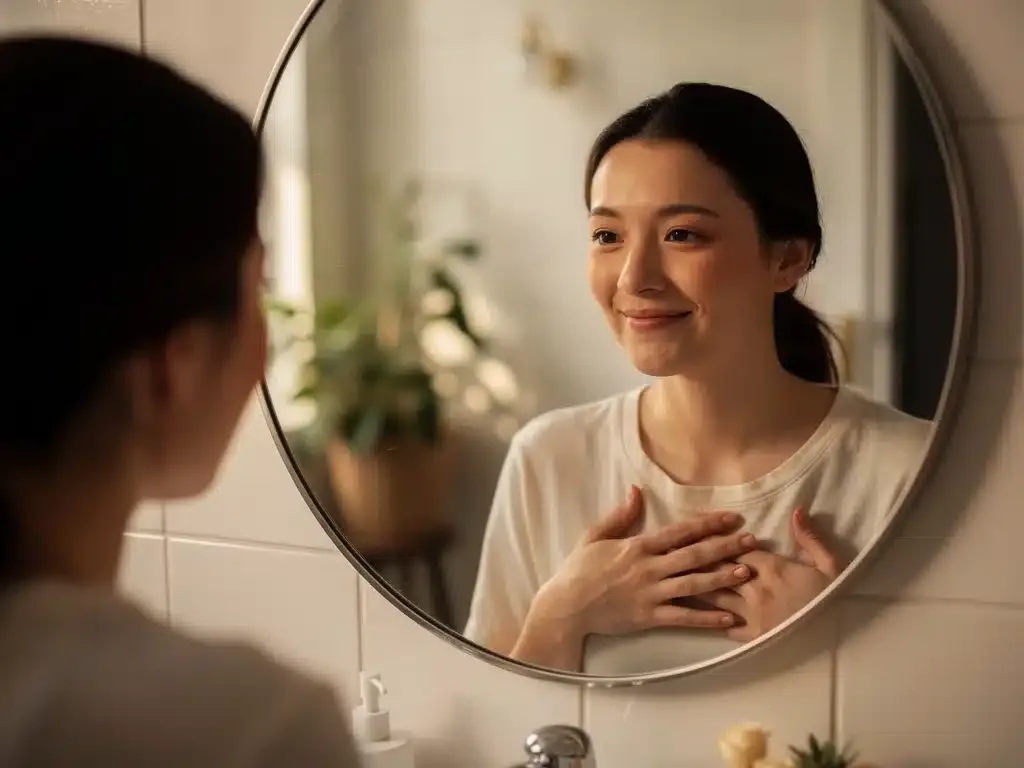
Embracing Functional Movement
Focusing on functional appreciation means engaging in activities that bring joy and allow the body to perform its natural functions, rather than solely pursuing exercise for aesthetic outcomes. This could involve dancing, walking in nature, or playing sports.
This perspective helps detach self-worth from fitness trends and appearance-based goals, fostering a healthier, more sustainable relationship with physical activity. It reinforces the idea that movement is a celebration of the body’s capabilities, not a punishment for its perceived flaws.
- Engage in joyful movement.
- Appreciate sensory experiences.
- Focus on health, not just weight.
Principle 3: Media Literacy and Critical Consumption
In an increasingly visual world, developing strong media literacy skills is paramount to navigating beauty standards and promoting body positivity. This principle involves critically analyzing the messages conveyed through advertising, social media, and entertainment.
By mid 2026, educational initiatives and public awareness campaigns are expected to significantly enhance media literacy, empowering individuals to deconstruct unrealistic portrayals of bodies. This critical consumption is essential for protecting mental health and fostering a realistic self-image.
Understanding how images are manipulated, how marketing targets insecurities, and the commercial interests behind beauty industries allows individuals to resist harmful influences. This informed perspective is a key component of moving Body Positivity Principles.
Deconstructing Digital Perfection
The prevalence of filters, editing software, and curated online personas creates a false sense of perfection that can be incredibly damaging to self-esteem. Media literacy helps individuals recognize these digital manipulations and understand their impact.
It encourages a healthy skepticism towards what is presented online and promotes a greater appreciation for authenticity and real-life diversity.
This critical approach is crucial for building resilience against the pressures of digital comparison, supporting the principles of Body Positivity Principles.
- Question idealized images in media.
- Follow diverse and authentic accounts.
- Understand the impact of algorithms.
Principle 4: Community and Collective Empowerment
Body positivity is not just an individual journey; it is deeply rooted in community and collective action. This principle emphasizes the power of shared experiences, mutual support, and advocacy for systemic change.
By mid 2026, the growth of supportive communities, both online and offline, is anticipated to create stronger networks for individuals seeking to embrace body positivity.
These communities provide safe spaces for sharing struggles, celebrating successes, and challenging societal norms together.
Collective empowerment involves advocating for inclusive representation in media, fashion, and healthcare, ensuring that all body types are seen, respected, and catered to. This collaborative effort reinforces the ideals of Body Positivity Principles on a broader scale.
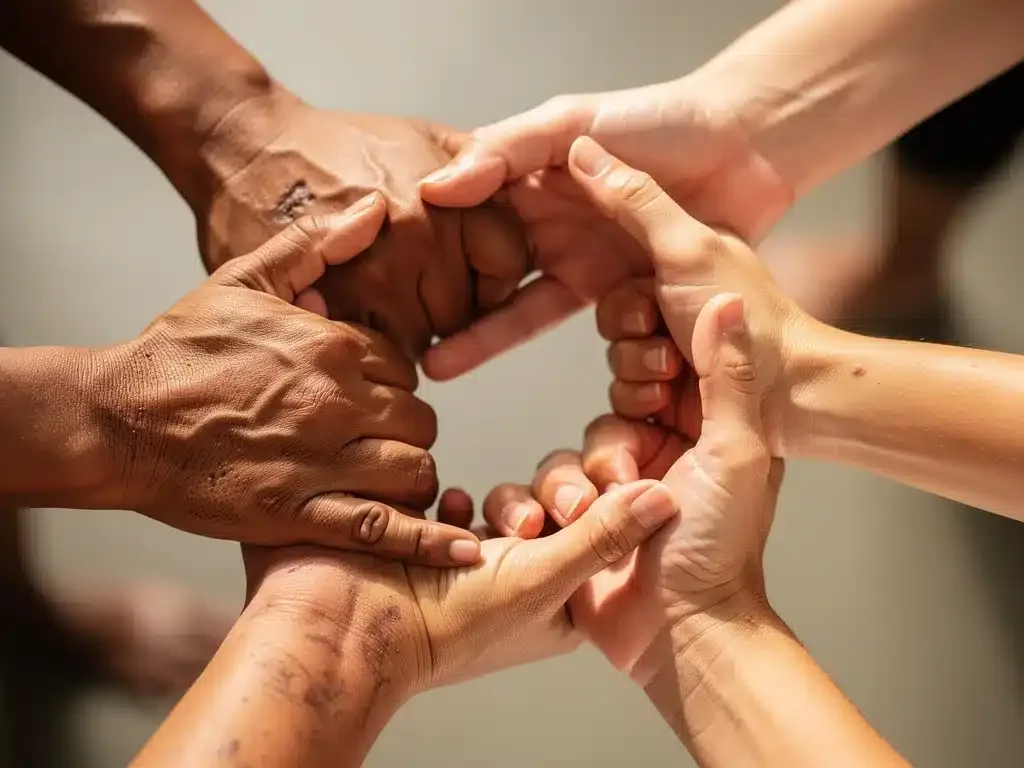
Building Inclusive Spaces
Creating and participating in inclusive spaces where body diversity is celebrated is fundamental to collective empowerment. This can range from local support groups to online forums dedicated to positive body image.
These spaces offer validation and a sense of belonging, counteracting feelings of isolation that often accompany body image struggles.
They foster an environment where individuals can grow confidently in their self-acceptance, embodying the spirit of Body Positivity Principles.
- Join or create local support groups.
- Engage in online body positive communities.
- Advocate for diverse representation.
Societal Impact and Future Projections by July 2026
The widespread adoption of these four principles is poised to generate significant societal impact across various sectors. From healthcare to fashion, and education to advertising, the ripple effects will be profound and far-reaching.
Healthcare providers are increasingly integrating body positive approaches into patient care, focusing on holistic well-being rather than solely weight-centric metrics. This promises more compassionate and effective health outcomes for diverse populations.
In fashion and media, we anticipate a continued shift towards authentic representation and inclusive sizing, moving further Body Positivity Principles as a marketing gimmick to a genuine commitment to diversity.
Educational curricula may also begin incorporating these principles to foster healthier self-image from a young age.
Navigating Challenges and Sustaining Momentum
Despite the promising trajectory, the journey towards widespread body positivity is not without its challenges. Societal norms are deeply ingrained, and resistance to change can come from various sources, including commercial interests tied to traditional beauty industries.
Sustaining the momentum of Body Positivity Principles requires ongoing advocacy, education, and individual commitment. It involves continuously challenging the status quo and reinforcing the value of self-acceptance and functional appreciation.
However, the growing collective consciousness and the increasing availability of resources suggest that these principles will continue to gain ground. The long-term benefits for mental and physical health are too significant to ignore, driving continued progress towards July 2026.
Personal Transformation Through Body Positivity
For individuals, embracing Body Positivity Principles can lead to profound personal transformation. It can alleviate the burden of constant self-criticism, freeing up mental energy for more fulfilling pursuits and genuine self-expression.
This shift in perspective often results in improved mental health, reduced anxiety around appearance, and a greater capacity for joy and self-care. It fosters a more harmonious relationship with one’s own body, impacting daily interactions and overall quality of life.
The journey is personal and unique to each individual, but the underlying principles offer a universal framework for cultivating a healthier, more compassionate self-image.
By mid 2026, many more individuals are expected to report significant positive changes in their lives due to these practices.
| Key Principle | Brief Description |
|---|---|
| Radical Self-Acceptance | Embracing one’s body unconditionally, challenging negative self-talk. |
| Body Neutrality | Appreciating body functionality over aesthetic appearance. |
| Media Literacy | Critically analyzing media messages about body image. |
| Community Empowerment | Building supportive networks and advocating for inclusivity. |
Frequently Asked Questions About Body Positivity by July 2026
What exactly does “Beyond Aesthetics” mean in this context?▼“Beyond Aesthetics” refers to a shift in focus from merely appreciating physical appearance to valuing the body for its functionality, capabilities, and the inherent worth of the individual. It emphasizes mental, emotional, and physical well-being over superficial beauty standards, fostering a deeper, more holistic self-acceptance.
How will these principles impact daily life by 2026?▼By mid 2026, these principles are expected to influence media representation, fashion, healthcare, and education. Individuals will likely experience reduced self-criticism, improved mental health, and more authentic self-expression, leading to a more positive relationship with their bodies in everyday interactions.
Is body positivity the same as body neutrality?▼While related, body positivity encourages actively loving and celebrating one’s body, whereas body neutrality focuses on appreciating the body for what it can do, rather than how it looks. Body neutrality can be a stepping stone for those who find radical self-love challenging, offering a gentler path to acceptance.
What role does media literacy play in this transformation?▼Media literacy is crucial for critically analyzing and deconstructing the often-unrealistic beauty standards portrayed in media. It empowers individuals to resist harmful influences from advertising and social media, fostering a more realistic and healthy perception of body image and self-worth.
How can I start implementing these principles in my own life?▼Begin by practicing radical self-acceptance through daily affirmations and mindful self-care. Focus on body neutrality by appreciating your body’s functions. Critically evaluate media consumption, and seek out supportive communities to share experiences and gain collective empowerment in your journey.
Looking Ahead: The Future of Self-Acceptance
The journey towards embracing Body Positivity Principles marks a pivotal moment in societal self-perception. The focus on internal validation over external scrutiny promises a future where well-being is genuinely holistic.
As these principles become more deeply embedded, we anticipate a more compassionate and inclusive society, where diverse body types are not just tolerated but celebrated as part of the human experience. Continued vigilance and advocacy will be essential to ensure this transformation is sustained.
FaceViby will continue to monitor developments and provide timely updates on how these principles are evolving and impacting daily life across the United States. Staying informed is key to navigating this empowering shift and contributing to a healthier collective future.