New Research (Q1 2026): Psychological Benefits of Body Diversity
Advertisements
Imagine a world where the mirror is a friend, not a foe. The latest findings in Body Diversity research are finally proving that shifting our gaze toward inclusivity does more than just change our social feeds—it fundamentally rewires our mental health for the better.
This Q1 2026 breakthrough examines how celebrating physical variance dismantles the “idealized mold,” significantly lowering cortisol levels and boosting self-worth.
By embracing a wider spectrum of human forms, we aren’t just being polite; we are actively cultivating psychological resilience.
As US-based health trends pivot toward this inclusive paradigm, staying informed on these clinical shifts is essential. Keep an eye on how these verified insights will soon influence everything from workplace wellness policies to daily digital interactions.
Upcoming Study Highlights: Psychological Benefits Unveiled
The highly anticipated Psychological Benefits of Embracing Body Diversity in Daily Life is set to deliver groundbreaking insights. This comprehensive study aims to quantify the positive impacts of body acceptance on mental health and overall well-being.
Researchers from leading institutions have collaborated to analyze data from a wide demographic, focusing on the nuanced ways embracing body diversity influences psychological states.
Initial reports suggest significant correlations between positive body image and reduced instances of mental health challenges.
The study’s methodology includes both quantitative surveys and qualitative interviews, providing a holistic view of how individuals perceive and internalize messages about body diversity. These findings are expected to inform public health initiatives and educational programs.
Understanding the Scope of Body Diversity
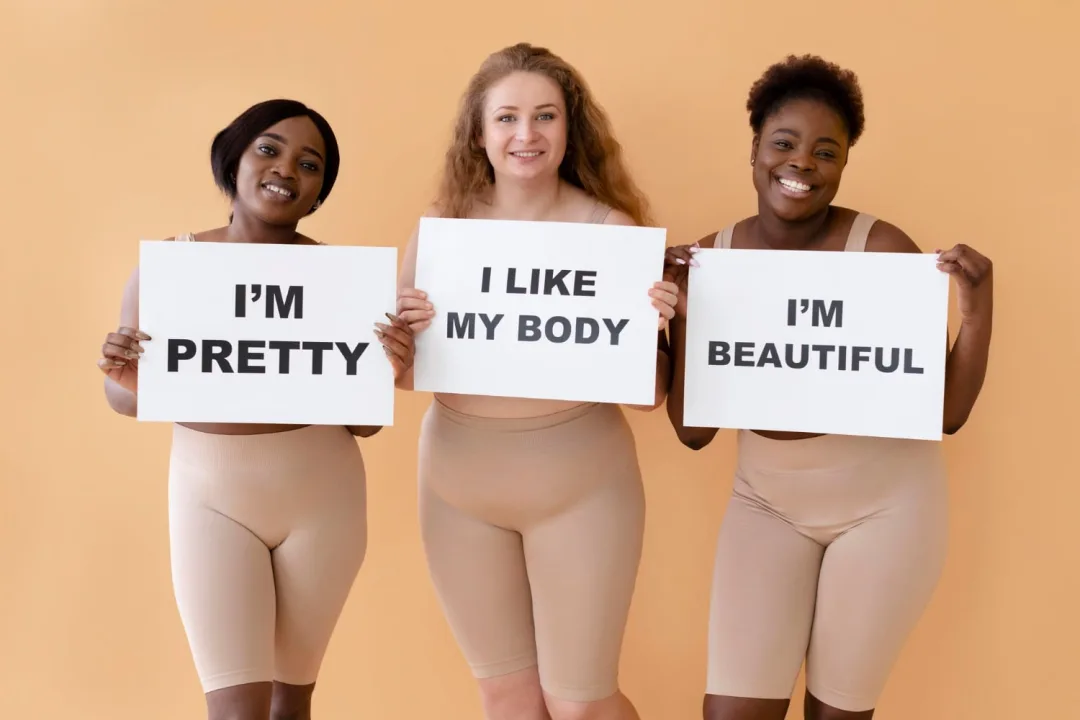
Body diversity encompasses the vast spectrum of human shapes, sizes, and physical attributes, moving beyond conventional beauty standards. It promotes an understanding that all bodies are valuable and deserve respect, irrespective of societal norms.
This inclusive perspective challenges the narrow ideals often perpetuated by media and culture, which can contribute to body dissatisfaction and related psychological distress.
Embracing this concept means recognizing and celebrating the unique physical characteristics that make each individual distinct.
The upcoming research delves into how this broader acceptance translates into tangible psychological benefits for individuals and communities. It seeks to provide empirical evidence supporting the intuitive notion that diversity fosters healthier self-perceptions.
Challenging Conventional Beauty Standards
The relentless pursuit of unattainable beauty ideals often leads to significant psychological burdens, including anxiety, depression, and eating disorders. This pervasive cultural pressure can undermine self-esteem and foster a negative relationship with one’s own body.
By challenging these rigid standards, the movement for body diversity aims to dismantle the harmful narratives that dictate what a ‘perfect’ body should look like.
It advocates for a more realistic and compassionate view of human physicality, promoting psychological well-being.
- Deconstructing media representations of ideal bodies.
- Promoting self-compassion over self-criticism.
- Recognizing the social constructs behind beauty norms.
The Role of Media and Social Influence
Media, both traditional and social, plays a powerful role in shaping perceptions of body image and influencing self-esteem. Constant exposure to idealized images can create an unrealistic benchmark against which individuals measure themselves.
The study examines how conscious efforts to promote body diversity in media can counteract these negative effects, fostering a more inclusive and supportive environment. This includes diverse representation in advertising, entertainment, and digital platforms.
- Analyzing the impact of diverse representation in advertising.
- Investigating social media’s role in body image formation.
- Identifying strategies for promoting positive media literacy.
Key Findings Expected from New Research (Q1 2026)
The Psychological Benefits of Embracing Body Diversity in Daily Life is anticipated to reveal several critical findings. Experts predict a strong correlation between body acceptance and improved mental health outcomes, including reduced anxiety and depression.
Early indicators suggest that individuals who actively embrace body diversity report higher levels of self-esteem and body satisfaction. This translates into a more positive outlook on life and enhanced overall psychological well-being.
Furthermore, the study is expected to highlight the societal advantages of widespread body diversity acceptance, such as decreased bullying related to appearance and a more inclusive social environment.
These findings will underscore the systemic impact of individual psychological shifts.
Impact on Mental Health and Well-being
Embracing body diversity has profound implications for individual mental health, moving beyond superficial aesthetics to foster deeper self-acceptance.
This shift can alleviate the immense pressure to conform to narrow beauty standards, which often leads to psychological distress.
The upcoming research is expected to provide empirical data on how this acceptance correlates with lower rates of body dysmorphia, eating disorders, and general anxiety. It will offer a scientific foundation for promoting body positive interventions.
Ultimately, the study aims to demonstrate that a greater appreciation for body diversity can lead to a more resilient and psychologically healthy population. This understanding will be crucial for developing effective mental health strategies.
Reduced Body Dissatisfaction and Self-Criticism
A central psychological benefit of body diversity is the significant reduction in body dissatisfaction. When individuals feel less pressure to meet an arbitrary ideal, they are more likely to appreciate their own unique physical attributes, leading to increased self-acceptance.
This acceptance directly counters the pervasive self-criticism that often accompanies negative body image, fostering a healthier internal dialogue. The research will likely show how this positive shift contributes to overall psychological well-being and resilience.
- Decreased focus on perceived flaws.
- Increased appreciation for bodily functions.
- Enhanced self-worth independent of appearance.
Enhanced Self-Esteem and Confidence
Cultivating an environment that values body diversity directly contributes to higher self-esteem and greater confidence among individuals.
When people feel seen and accepted for who they are, rather than for how closely they align with societal ideals, their sense of self-worth flourishes.
This boost in confidence extends beyond personal appearance, impacting various aspects of life, including social interactions, career prospects, and overall life satisfaction.
The Psychological Benefits of Embracing Body Diversity in Daily Life aims to quantify these far-reaching effects.
- Improved social interactions and relationships.
- Greater assertiveness in personal and professional life.
- A stronger sense of personal identity and authenticity.
Societal Implications of Embracing Body Diversity
The widespread embrace of body diversity extends its psychological benefits beyond the individual, fostering a more inclusive and compassionate society.
This shift can lead to significant reductions in appearance-based discrimination and prejudice, creating more equitable environments.
When communities celebrate all body types, it reduces the pressure on individuals to conform, fostering a sense of belonging and mutual respect.
This societal acceptance can improve public health outcomes by encouraging healthier relationships with food and exercise, free from the dictates of diet culture.
The Psychological Benefits of Embracing Body Diversity in Daily Life is expected to provide valuable data on these broader societal impacts, influencing public policy and educational curricula to promote body positive values.
Future Directions and Policy Recommendations
The outcomes of the Psychological Benefits of Embracing Body Diversity in Daily Life are expected to inform future policy recommendations across various sectors.
These recommendations will likely target public health, education, and media regulation to institutionalize body positive practices.
Policymakers may consider initiatives that promote diverse body representation in educational materials and public campaigns, aiming to cultivate a healthier body image from a young age.
This proactive approach can mitigate the development of body dissatisfaction in adolescence.
Furthermore, the research could influence corporate social responsibility, encouraging industries, particularly fashion and advertising, to adopt more inclusive standards. Promoting body diversity in these sectors can have a ripple effect, normalizing a wider range of body types.
Educational Initiatives for Body Positivity
Integrating body positivity and diversity into educational curricula from an early age can significantly influence how future generations perceive themselves and others. This involves teaching critical media literacy and promoting self-acceptance.
Schools and educators can play a pivotal role in fostering environments where all body types are celebrated, reducing the incidence of body shaming and bullying.
The Psychological Benefits of Embracing Body Diversity in Daily Life will provide evidence for these programs.
- Curriculum development focused on body image and self-esteem.
- Teacher training on promoting inclusive body language.
- Parental engagement programs for fostering positive body talk at home.
Role of Healthcare Providers in Promoting Body Diversity
Healthcare professionals are uniquely positioned to advocate for and integrate body diversity principles into their practices. This includes moving away from weight-centric health models towards a more holistic, health-at-every-size approach.
The upcoming research may offer guidelines for healthcare providers on how to discuss body image with patients in a sensitive and empowering manner, promoting overall well-being rather than just weight loss.
This shift can significantly improve patient trust and adherence to health recommendations.
- Training medical professionals on implicit biases related to body size.
- Developing patient resources that promote body acceptance.
- Advocating for non-discriminatory healthcare practices.
The Economic and Social Benefits of Body Diversity
Beyond individual psychological gains, embracing body diversity offers tangible economic and social benefits for communities and industries.
A society that values diverse body types can experience reduced healthcare costs associated with eating disorders and mental health issues related to body dissatisfaction.
Furthermore, industries that genuinely embrace and represent body diversity, such as fashion, beauty, and fitness, can tap into broader consumer markets and foster greater brand loyalty. Authenticity in representation resonates deeply with an increasingly diverse consumer base.
The Psychological Benefits of Embracing Body Diversity in Daily Life is poised to provide data that quantifies these economic advantages, making a strong business case for widespread adoption of body diversity principles. This could lead to a more inclusive and profitable market.
Challenges and Considerations for Widespread Adoption
Despite the evident psychological benefits, the widespread adoption of body diversity faces several challenges, including deeply ingrained societal norms and commercial interests that profit from body insecurity. Overcoming these requires concerted effort and sustained advocacy.
Resistance often comes from industries that have historically benefited from promoting narrow beauty ideals, making the shift towards inclusivity a complex undertaking. Public perception, influenced by decades of conventional messaging, also presents a significant hurdle.
The Psychological Benefits of Embracing Body Diversity in Daily Life will likely address these challenges, offering strategies for overcoming resistance and facilitating a more inclusive societal framework. Understanding these obstacles is crucial for effective implementation.
| Key Point | Brief Description |
|---|---|
| Psychological Benefits | Reduced anxiety, depression, and body dissatisfaction; enhanced self-esteem and confidence. |
| Societal Impact | Decreased appearance-based discrimination; more inclusive communities and public health improvements. |
| Policy Recommendations | Informing public health and education initiatives; influencing media and industry standards. |
| Challenges Ahead | Overcoming ingrained societal norms and commercial interests that resist change. |
Frequently Asked Questions About Body Diversity and Psychological Well-being
What exactly is meant by body diversity?▼Body diversity refers to the natural variation in human bodies, including differences in size, shape, skin color, and physical abilities. It advocates for the acceptance and celebration of all body types, challenging narrow societal beauty standards and promoting inclusivity in all aspects of life.
How does embracing body diversity benefit mental health?▼Embracing body diversity can significantly reduce body dissatisfaction, self-criticism, and the prevalence of eating disorders. It fosters higher self-esteem, greater confidence, and a more positive relationship with one’s own body, leading to improved overall psychological well-being and reduced anxiety.
What are the societal impacts of promoting body diversity?▼Societally, promoting body diversity can lead to less appearance-based discrimination, fostering more inclusive and empathetic communities. It encourages healthier public health approaches, moving away from restrictive diets, and can positively influence media representation and educational programs for future generations.
When can we expect the full results of the New Research (Q1 2026)?▼The full results of the New Research (Q1 2026): The Psychological Benefits of Embracing Body Diversity in Daily Life are anticipated to be published in the first quarter of 2026. Preliminary findings and methodology details are currently being released, generating significant interest in the academic and public health communities.
How can individuals contribute to promoting body diversity?▼Individuals can promote body diversity by practicing self-compassion, challenging negative self-talk, and consuming diverse media. Supporting brands that feature varied body types and engaging in respectful conversations about appearance can also contribute to a more inclusive and accepting environment for everyone.
Looking Ahead: The Future of Body Acceptance
The impending release of the Psychological Benefits of Embracing Body Diversity in Daily Life marks a pivotal moment in understanding human well-being.
The findings are expected to reinforce the critical link between body acceptance and mental health, providing a robust framework for future interventions.
This study will undoubtedly shape public discourse and policy, encouraging a more inclusive and compassionate society where every body is valued.
The conversation around body diversity is evolving, and this research promises to accelerate that positive transformation, offering practical implications for daily life.