Body Positivity vs. Body Neutrality: 3 Key Differences for 2026
Advertisements
Navigating modern self-acceptance often requires choosing between celebrating appearance and completely decoupling self-worth from physical form. Understanding Body Positivity vs. Body Neutrality is crucial for developing a healthier relationship with your physical self in today's intense social media landscape.
While unconditional self-love encourages individuals to actively embrace every curve, somatic appreciation focuses on what physical bodies can accomplish rather than how they look. Shifting from self-affirmation to acceptance helps reduce psychological pressure by treating physical appearance as a neutral aspect of daily life.
Recognizing these distinct mental health paradigms allows you to choose an approach that aligns with your personal journey. Here are three critical differences between appearance-focused self-love and function-oriented body acceptance.
Understanding the Core Tenets of Body Positivity
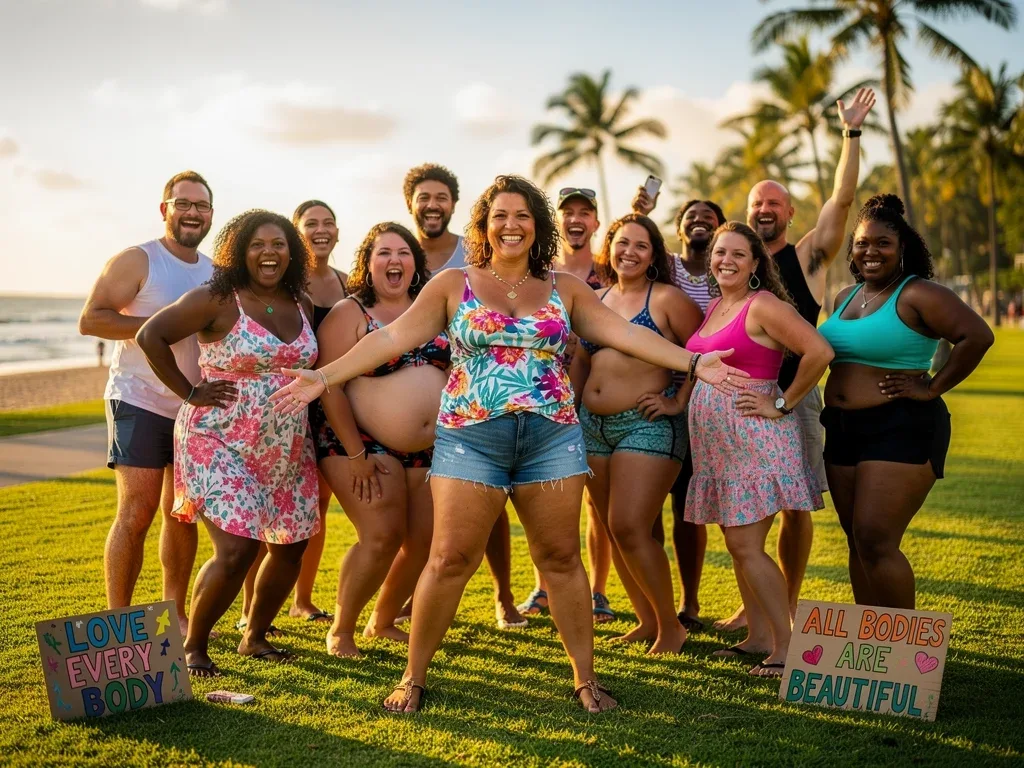
Body positivity, originating from fat acceptance movements, advocates for unconditional self-love and acceptance of all body types, challenging conventional beauty standards. It encourages individuals to celebrate their bodies, regardless of size, shape, or ability, fostering a radical appreciation for physical diversity.
This movement often involves actively confronting societal norms and media portrayals that promote unrealistic ideals, asserting that all bodies are worthy of respect and admiration. It's about dismantling systemic biases and promoting inclusivity across the spectrum of human physicality, pushing for a world where every body is seen as beautiful.
For American women in 2026, body positivity frequently manifests in social media campaigns, activist initiatives, and personal affirmations aimed at fostering a positive self-image. It champions the idea that feeling good about one's body is a right, not a privilege reserved for those who fit narrow beauty criteria.
The Emergence and Philosophy of Body Neutrality
Body neutrality shifts the focus from loving one's body to appreciating what it can do, detaching self-worth from physical appearance. This approach suggests that it's okay to simply exist in one's body without the pressure to constantly feel positive or negative about it.
This perspective can be particularly appealing to individuals who find the demands of constant body positivity overwhelming or inauthentic. It offers a middle ground, allowing for periods of indifference or even mild dissatisfaction without succumbing to self-loathing or intense body scrutiny, emphasizing function over form.
In 2026, body neutrality provides a practical framework for American women seeking a more sustainable and less emotionally charged relationship with their bodies. It encourages gratitude for bodily functions, such as walking, breathing, and experiencing the world, rather than focusing on aesthetic judgments.
Key Difference 1: Emotional Engagement with Appearance
The first significant distinction between body positivity and body neutrality lies in their emotional engagement with physical appearance. Body positivity actively promotes positive feelings, love, and celebration of one's body, often requiring a conscious effort to challenge negative self-talk and embrace all physical attributes.
This movement encourages individuals to look in the mirror and genuinely appreciate what they see, even aspects traditionally deemed flaws. It's about cultivating an active, affirmative love for one's physical form, fostering a sense of pride and joy in one's unique body.
Conversely, body neutrality seeks to minimize emotional attachment to physical appearance altogether, advocating for a more detached and functional view. It suggests that one's body is merely a vessel, and its primary purpose is to facilitate life experiences, not to be a constant source of either intense joy or despair.
Body Positivity's Active Celebration
Body positivity often involves an overt celebration of diverse body types, challenging the narrow beauty standards prevalent in society. This active celebration can be empowering for many, fostering a sense of community and shared liberation from oppressive ideals.
It encourages individuals to engage in practices that reinforce positive body image, such as wearing clothes that make them feel good, participating in joyful movement, and surrounding themselves with affirming messages. The goal is to internalize the message that all bodies are good bodies, regardless of their conformity to societal norms.
For American women in 2026, this means actively choosing to see beauty in stretch marks, cellulite, scars, and all the natural variations of the human form. It's a call to arms against body shaming and a powerful affirmation of self-worth based on inherent value, not external validation.
Body Neutrality's Detached Acceptance
Body neutrality, on the other hand, offers a less emotionally charged path, focusing on accepting one's body without necessarily loving every aspect of it. This approach can be a relief for those who find the constant demand for positivity exhausting or unattainable.
It shifts the conversation from how one feels about their appearance to what their body enables them to do, fostering gratitude for its capabilities. This detachment can lead to a more stable self-image, less susceptible to the fluctuations of external validation or fleeting emotional states.
This perspective is about recognizing the body as an instrument for living, a tool that allows for movement, sensation, and interaction with the world. For many American women, embracing body neutrality in 2026 can lead to a profound sense of peace and freedom from the relentless pursuit of an idealized physical form.
Key Difference 2: Focus on Activism and Societal Change
The second crucial difference lies in the movements' emphasis on activism and broader societal change. Body positivity has a strong activist component, aiming to dismantle systemic oppression and discrimination based on body size, race, gender, and ability.
It often involves public advocacy, challenging industries that perpetuate harmful beauty standards, and creating inclusive spaces for all bodies. The movement is inherently political, seeking to transform societal attitudes and structures that marginalize certain body types.
For American women navigating these issues in 2026, body positivity often means engaging in social justice work, advocating for representation, and pushing for policy changes that support body diversity. It's about collective liberation and creating a world where every body is treated with dignity and respect.

Body Positivity's Call to Action
Body positivity's call to action is clear: challenge the status quo and fight for a more equitable world where all bodies are valued. This involves criticizing media portrayals, advocating for diverse representation, and supporting brands that embrace inclusivity.
It encourages individuals to use their voices and platforms to spread messages of acceptance and challenge fatphobia, ableism, and other forms of body-based discrimination. The movement is about creating a cultural shift, moving away from body shaming towards universal acceptance.
This activist stance resonates deeply with many American women in 2026 who are passionate about social justice and want to see tangible changes in how society views and treats bodies. It provides a framework for understanding personal struggles within a broader socio-political context.
Body Neutrality's Internal Shift
Body neutrality, while not inherently apolitical, tends to focus more on an internal shift in perspective rather than overt activism. Its primary goal is to free individuals from the mental burden of body image concerns, allowing them to focus on other aspects of life.
While it can indirectly contribute to societal change by reducing individual participation in body-obsessed culture, its direct engagement with systemic issues is less pronounced. The emphasis is on personal peace and a quiet rebellion against the constant pressure to conform or even to constantly love one's body.
For American women, this means prioritizing their mental health and well-being by disengaging from the often-stressful demands of body image. It offers a path to liberation that is less about fighting external battles and more about cultivating inner resilience and self-acceptance.
Key Difference 3: Practical Application and Personal Journey
The third key difference lies in the practical application and how each movement informs an individual's personal journey. Body positivity often involves active practices aimed at boosting self-esteem and celebrating one's body, such as affirmations, joyful movement, and self-care rituals focused on physical appreciation.
It encourages individuals to engage with their bodies in ways that feel empowering and affirming, often within a community of like-minded individuals. The journey is frequently public, shared through social media and personal narratives, inspiring others to embrace their own bodies.
For American women in 2026, this might mean actively participating in body-positive events, sharing their stories, and consciously choosing to engage with content that promotes diverse body images. It's a proactive approach to cultivating self-love and challenging internal biases.
Body Positivity: Active Affirmation and Community
The practical application of body positivity often involves a deliberate and consistent effort to affirm one's body and challenge internal and external critics. This can include daily affirmations, mindful movement, and engaging with diverse body representation in media.
Community plays a significant role, with many finding strength and validation in shared experiences and collective advocacy. This communal aspect provides a supportive environment for individuals to explore and embrace their body image journey, fostering a sense of belonging.
This approach helps American women to not only accept but to truly love their bodies, transforming their relationship with themselves and contributing to a broader cultural shift. It emphasizes that self-love is an ongoing practice, supported by both individual effort and collective encouragement.
Body Neutrality: Gentle Acceptance and Functional Focus
Body neutrality's practical application centers on a more gentle, less demanding approach to self-perception. It encourages individuals to focus on what their body can do rather than how it looks, promoting gratitude for its functionality and capabilities.
This might involve practices like mindful eating, engaging in physical activities for enjoyment rather than appearance, and redirecting mental energy away from body image concerns. The journey is often more private, focusing on individual well-being rather than public declarations.
For many American women, body neutrality in 2026 offers a path to freedom from the relentless pursuit of an idealized aesthetic. It allows them to appreciate their bodies as vehicles for life, enabling them to pursue their passions and live fulfilling lives without constant self-scrutiny.
This approach aims for a peaceful coexistence with one's body, where its appearance is simply one aspect among many.
Navigating Personal Preferences in 2026
Choosing between body positivity and body neutrality is a deeply personal decision, and what works for one American woman may not work for another. Both movements offer valuable frameworks for fostering a healthier relationship with one's body, but their paths diverge significantly.
The key is to understand the underlying philosophies and practical implications of each, allowing for an informed choice that aligns with individual needs and comfort levels. There is no single "right" answer, only the approach that best supports one's personal journey toward self-acceptance and well-being.
As 2026 progresses, the conversation around body image will continue to evolve, making it imperative for American women to remain informed and reflective about their own relationship with their bodies. Both movements provide tools to navigate societal pressures and cultivate inner peace.
The Intersectionality of Body Image Movements
It is important to recognize that both body positivity and body neutrality exist within broader contexts of identity, including race, class, gender, and ability. The experiences of American women are diverse, and these movements must be understood through an intersectional lens.
For many, the challenges of body image are compounded by systemic inequities and historical marginalization. Therefore, the choice between body positivity and body neutrality may also be influenced by one's lived experiences and the specific forms of discrimination they face.
In 2026, a truly inclusive approach to body image recognizes and validates the diverse struggles and triumphs of all American women, ensuring that these movements serve as tools for empowerment, not as new forms of pressure or exclusion. Understanding Body Positivity vs. Body Neutrality is crucial for this.
Societal Impact and Future Trends
The ongoing dialogue between body positivity and body neutrality is shaping societal attitudes towards beauty, health, and self-worth. As these movements gain traction, they challenge traditional media narratives and encourage a more nuanced understanding of body image.
In 2026, we can expect to see continued shifts in advertising, fashion, and healthcare, reflecting a growing demand for authenticity and inclusivity. The influence of these movements extends beyond individual self-perception, impacting cultural norms and industry practices.
The future likely holds a more blended approach, where individuals draw elements from both philosophies to create a personalized framework for body acceptance. The discourse around Body Positivity vs. Body Neutrality will continue to evolve, reflecting broader societal changes.
Key Distinction | Brief Description |
|---|---|
Emotional Engagement | Positivity emphasizes active love; Neutrality focuses on detached acceptance. |
Activism & Societal Change | Positivity drives external advocacy; Neutrality prioritizes internal shift. |
Practical Application | Positivity involves active affirmations; Neutrality focuses on body function. |
Personal Journey | Both offer paths to self-acceptance, tailored to individual needs. |
Frequently Asked Questions About Body Image Movements
What is the main goal of body positivity?▼
The primary goal of body positivity is to promote unconditional self-love and acceptance for all body types, challenging conventional beauty standards and advocating for inclusivity. It encourages celebrating diverse bodies and dismantling systemic biases.
How does body neutrality differ from body positivity?▼
Body neutrality focuses on appreciating what the body can do rather than its appearance, seeking to minimize emotional attachment to physical looks. Unlike positivity's active celebration, neutrality aims for detached acceptance and functional gratitude.
Can American women embrace both body positivity and body neutrality?▼
Yes, many American women find value in aspects of both movements, often blending them to suit their personal journey. It's not an either/or choice; individuals can draw from both philosophies to cultivate a healthy and sustainable relationship with their bodies.
Why is understanding these differences important in 2026?▼
Understanding Body Positivity vs. Body Neutrality is crucial due to evolving media landscapes and societal pressures. It empowers women to make informed choices about their self-perception and mental well-being in a complex world.
What are practical steps for adopting body neutrality?▼
Practical steps include focusing on what your body enables you to do, engaging in joyful physical activities without appearance goals, practicing mindful eating, and redirecting mental energy away from constant body scrutiny. It's about valuing function over form.
Looking Ahead: Integrating Perspectives for Well-being
The ongoing dialogue between body positivity and body neutrality highlights a critical evolution in how American women approach self-image.
Both movements offer valid, empowering pathways to a healthier relationship with one's body, challenging the rigid beauty standards that have historically constrained women.
As we move further into 2026, the nuanced understanding of Body Positivity vs. Body Neutrality will continue to be essential. It will empower individuals to forge their own paths toward self-acceptance, drawing strength from both active celebration and peaceful detachment.
The ultimate goal remains fostering a society where every woman feels confident and respected in her unique skin, aligning with FaceViBy.com's mission of self-love and holistic well-being.