Color Theory in Makeup: 5 Ways to Choose the Perfect Shades for Your Skin Tone in 2026
Advertisements
Have you ever purchased a viral foundation or lipstick only to find it looks completely flat, ashy, or orange once you put it on? Mastering Color Theory in Makeup is the ultimate secret weapon to ending that frustrating guesswork, allowing you to select cosmetic palettes that naturally synchronize with your unique canvas.
The secret lies in decoding the chromatic harmony between skin surface color and the hidden undertones resting beneath it.
By utilizing the classic artist’s wheel to neutralize discoloration or amplify your natural features, you can easily identify which warm, cool, or olive cosmetic pigments will look seamlessly radiant on you.
As fresh beauty tech and customized shade-matching innovations hit the shelves this season, finding your bespoke cosmetic match has never been easier.
Let’s break down five actionable steps to elevate your beauty routine, backed by expert cosmetic science and the latest color trends dominating the industry.
Understanding Your Skin’s Undertone for Optimal Shade Selection
Identifying your skin’s undertone is the foundational step in mastering Color Theory in Makeup. This crucial element, often overlooked, dictates which colors will truly enhance your natural complexion rather than clash with it.
Many individuals confuse undertone with skin tone, leading to suboptimal makeup choices. Skin tone refers to the surface color of your skin, which can change with sun exposure, while undertone is the subtle hue beneath the surface that remains constant.
For 2026, beauty experts emphasize the importance of this distinction, as brands are increasingly formulating products with undertone specificity in mind. Knowing your undertone ensures a seamless blend and a more harmonious overall look.
The Vein Test: A Quick Guide to Undertone Identification
One of the simplest and most widely used methods to determine your undertone is the vein test. Observe the color of the veins on the inside of your wrist under natural light.
If your veins appear blue or purple, you likely have cool undertones. If they look green, your undertones are warm. If you find it difficult to discern a dominant color, you probably have neutral undertones.
- Cool Undertones: Veins appear blue/purple, skin may burn easily in the sun.
- Warm Undertones: Veins appear green, skin tends to tan easily.
- Neutral Undertones: Veins are a mix of blue and green, skin tans and burns moderately.
Jewelry Preference and Sun Reaction as Indicators
Beyond the vein test, your preference for certain jewelry metals can also hint at your undertone. Individuals with cool undertones often find that silver jewelry complements their skin best, while those with warm undertones tend to favor gold.
How your skin reacts to sun exposure is another reliable indicator. If you tend to burn easily and rarely tan, cool undertones are likely. Conversely, if you tan readily and rarely burn, warm undertones are probable. Those with neutral undertones often experience a mix of both.
These simple observations, combined with the vein test, provide a comprehensive approach to accurately identifying your undertone, a vital component of successful Color Theory in Makeup.
Leveraging the Color Wheel for Makeup Harmony
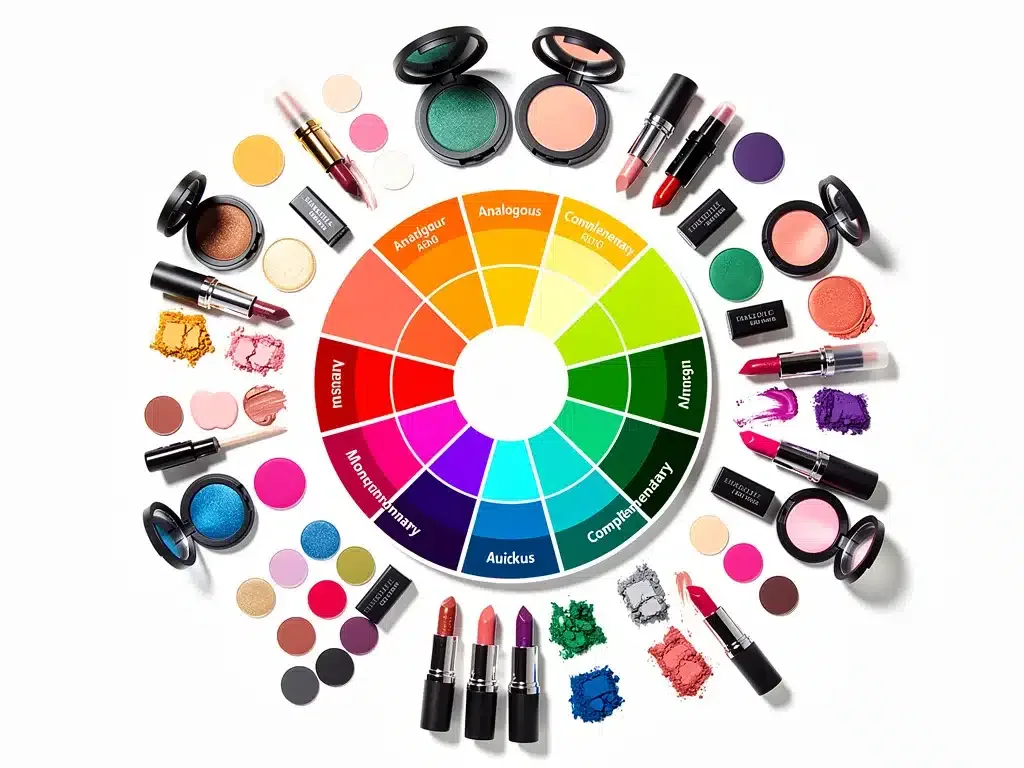
The color wheel is an indispensable tool in Color Theory in Makeup, offering a visual guide to harmonious and contrasting color combinations. Understanding its principles allows for strategic makeup application that enhances features.
By applying concepts such as complementary, analogous, and monochromatic colors, individuals can create looks that are both balanced and impactful. This knowledge moves beyond simple preference to informed artistic choice.
For 2026, the emphasis is on intentional color choices rather than just following trends. The color wheel provides the framework for these deliberate decisions, enabling personalized and flattering makeup styles.
Complementary Colors: Making Your Eyes Pop
Complementary colors are opposite each other on the color wheel and create the highest contrast, making them ideal for eye makeup. Using a complementary shade to your eye color will make your eyes appear brighter and more vibrant.
For instance, blue eyes are enhanced by warm orange and copper tones, while green eyes truly stand out with shades of red, purple, and plum. Brown eyes, being neutral, can be complemented by almost any color, but blues and purples are particularly striking.
This strategic use of complementary colors is a cornerstone of advanced Color Theory in Makeup, ensuring your eye makeup is not just applied, but thoughtfully designed.
Analogous and Monochromatic Schemes for Seamless Blending
Analogous colors are next to each other on the color wheel, creating a harmonious and flowing look. Using analogous shades for a makeup look, such as varying shades of pink, purple, and blue, results in a soft, cohesive appearance.
Monochromatic schemes involve using different tones, tints, and shades of a single color. This approach creates a sophisticated, subtle, and elegant effect, often seen in natural-looking makeup or when aiming for a refined aesthetic.
Both analogous and monochromatic techniques are gaining traction in 2026, offering versatile options for those seeking refined and polished makeup applications within the scope of Color Theory in Makeup.
Selecting Foundation and Concealer Based on Undertone
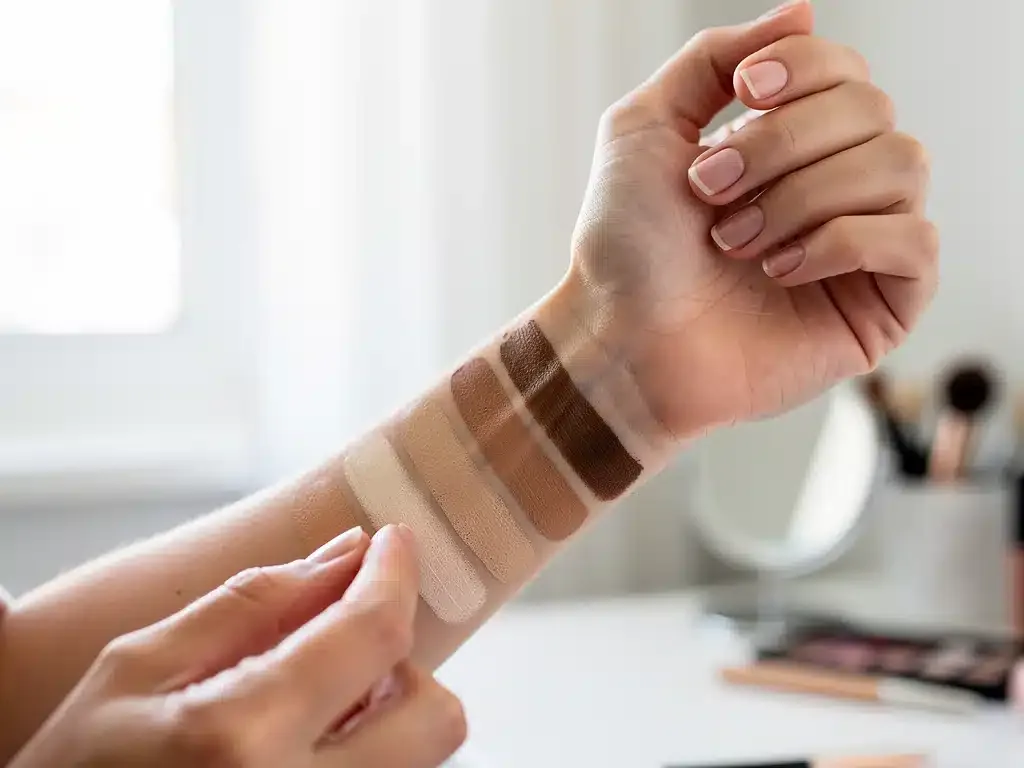
Choosing the correct foundation and concealer shade is arguably the most critical step in any makeup routine, directly impacting the overall finish. Mismatching these products can lead to a mask-like appearance or an unnatural cast.
The key to a flawless base lies in understanding how your skin’s undertone interacts with the product’s undertone. A foundation that perfectly matches your undertone will blend seamlessly into your neck and chest, creating an undetectable finish.
With advancements in cosmetic science, brands in 2026 are offering an unprecedented range of undertone-specific foundation and concealer options, making precise matching more accessible than ever before, a testament to the evolving application of Color Theory in Makeup.
Warm Undertones: Golden and Yellow Hues
For individuals with warm undertones, foundations and concealers with golden, yellow, or peachy hues are most flattering. These shades neutralize any redness and bring out the natural warmth of the skin, resulting in a healthy, radiant glow.
Testing shades along your jawline, rather than your hand, is essential for an accurate match. The chosen shade should disappear into your skin, indicating a perfect harmony with your natural complexion. This precision is vital for effective Color Theory in Makeup.
Many brands now label their warm foundations with ‘W’ or include descriptors like ‘golden’ or ‘beige,’ simplifying the selection process for consumers. This clarity aids in making informed decisions for a flawless base.
Cool and Neutral Undertones: Pink and Balanced Tones
Those with cool undertones should opt for foundations and concealers with pink, red, or blue undertones. These shades help to brighten the complexion and counteract any sallowness, creating a fresh and vibrant look.
For neutral undertones, a balance of both warm and cool pigments is ideal. Many products designed for neutral skin tones will be labeled ‘N’ or described as ‘natural’ or ‘balanced,’ offering versatility and preventing the skin from appearing too warm or too cool.
The careful selection of these base products, guided by a thorough understanding of undertones, is fundamental to achieving a professional and polished makeup application in 2026, underscoring the practical application of Color Theory in Makeup.
Enhancing Features with Blush, Bronzer, and Highlighter
Beyond foundation, blush, bronzer, and highlighter play pivotal roles in sculpting and adding dimension to the face. The right shades can elevate a look, while incorrect choices can detract from natural beauty.
The application of these products is deeply rooted in Color Theory in Makeup, ensuring that they complement, rather than overpower, your skin tone and undertone. Strategic placement and color selection are paramount.
As makeup trends evolve, the subtlety and seamless integration of these products are becoming increasingly valued. Achieving this requires a nuanced understanding of how different shades interact with your unique complexion.
Blush: Adding a Natural Flush
For cool undertones, blushes with cool pinks, berries, or plums create a natural, healthy flush. These shades mimic the natural color of flushed skin and harmonize beautifully with the underlying cool tones.
Warm undertones are best complemented by peachy, coral, or warm rose blushes. These tones add warmth to the complexion without appearing artificial, enhancing the skin’s inherent glow.
Neutral undertones have the flexibility to experiment with both cool and warm blush shades, finding their perfect match through trial and error.
- Cool Undertones: Opt for cool pink, berry, or plum shades.
- Warm Undertones: Choose peach, coral, or warm rose tones.
- Neutral Undertones: Explore a wide range from both cool and warm palettes.
Bronzer and Highlighter: Sculpting and Illuminating
Bronzer should mimic the color of a natural tan, adding warmth and definition. For cool undertones, a bronzer with a slight neutral or cool brown tint prevents an orange appearance.
Warm undertones benefit from golden or reddish-brown bronzers that enhance their natural sun-kissed look.
Highlighter, on the other hand, should enhance your skin’s natural luminosity. Cool undertones shine with silver, pearl, or icy pink highlighters, while warm undertones are best suited for golden, champagne, or peachy highlighters.
Neutral undertones can experiment with both, finding shades that offer a soft, radiant finish.
The careful selection and application of these products, guided by Color Theory in Makeup, ensure a sculpted and illuminated look that is both natural and sophisticated.
Lip and Eye Color Coordination: Balancing Your Look
The coordination of lip and eye makeup is a delicate art, where balance is key to achieving a polished and harmonious overall appearance. Overdoing either can lead to an unbalanced or theatrical look.
Understanding how different colors interact and complement each other, based on Color Theory in Makeup, is essential. This allows for intentional choices that highlight features without competing.
For 2026, the trend leans towards thoughtful pairings that enhance individual beauty rather than strict adherence to rules. Flexibility within color theory principles is encouraged for personalized expression.
Creating Harmony with Analogous and Complementary Shades
When selecting lip and eye colors, consider whether you want a harmonious or contrasting effect. For a harmonious look, choose analogous colors, shades that are close to each other on the color wheel.
For example, a warm brown eyeshadow paired with a peachy-nude lipstick creates a soft, cohesive aesthetic.
To create a striking contrast, opt for complementary colors. A vibrant blue eyeliner with a soft coral lip can make a bold statement.
The key is to ensure that one feature is slightly more dominant, allowing the other to provide subtle support, a critical aspect of Color Theory in Makeup.
This approach prevents either the eyes or lips from being overwhelmed, maintaining overall balance. The subtle interplay of shades can significantly elevate a makeup look.
Balancing Intensity: Bold Eyes, Nude Lips, or Vice Versa
A classic rule in makeup artistry is to choose one feature to highlight with intensity. If you opt for a dramatic eye look, such as a smoky eye or a bold graphic liner, pair it with a more subdued lip color, like a nude or a sheer gloss.
Conversely, if you prefer a bold lip color, such as a deep red or a vibrant fuchsia, keep your eye makeup relatively simple with neutral shadows and minimal liner. This balance ensures that your face has a focal point without appearing overdone.
This principle of balancing intensity remains a timeless guideline in 2026, offering a practical application of Color Theory in Makeup for everyday wear and special occasions alike.
Experimentation and Personalization in 2026 Makeup Trends
While color theory provides a robust framework, the true art of makeup lies in experimentation and personalization. The guidelines serve as a starting point, encouraging individuals to explore what truly works for their unique features and style.
The beauty landscape in 2026 is increasingly advocating for individuality and self-expression. This means adapting traditional color theory rules to fit personal preferences, rather than rigidly adhering to them.
Ultimately, the goal is to feel confident and beautiful in your own skin, using makeup as a tool for enhancement and creative expression. This personalized approach is central to the modern interpretation of Color Theory in Makeup.
Breaking the Rules: When to Deviate from Color Theory
Sometimes, intentionally breaking color theory rules can lead to surprisingly stunning results. For example, using a monochromatic red scheme for both eyes and lips, which might traditionally be considered too bold, can create a powerful and fashion-forward statement.
The key to successful deviation is to do so with intention and confidence. Understanding the rules first allows you to break them effectively, creating looks that are unique and impactful, rather than simply mismatched. This informed rebellion is gaining traction in 2026.
Experimentation with unexpected color combinations, textures, and finishes is encouraged. The beauty industry is moving towards a more fluid and less prescriptive approach, allowing for greater creative freedom in makeup application.
The Role of Lighting and Occasion in Color Choice
The lighting conditions under which your makeup will be seen, as well as the occasion, significantly influence color perception. What looks stunning under bright studio lights might appear different in natural daylight or dim evening settings.
For daytime or professional settings, softer, more subdued shades that adhere closely to your natural undertones are generally preferred. Evening events or artistic occasions, however, offer opportunities for bolder, more dramatic color choices.
Considering these external factors is an advanced application of Color Theory in Makeup, ensuring your makeup always looks its best. This holistic view of color application is key for a truly refined finish.
| Key Point | Brief Description |
|---|---|
| Identify Undertone | Crucial first step for selecting harmonious makeup shades. |
| Utilize Color Wheel | Guide for complementary, analogous, and monochromatic looks. |
| Match Base Products | Choose foundation/concealer based on skin undertone for seamless blend. |
| Coordinate Lip & Eye | Balance intensity and color schemes for a harmonious look. |
Frequently Asked Questions About Color Theory in Makeup
How do I determine my skin’s undertone accurately?▼The most common methods include the vein test on your wrist (blue/purple for cool, green for warm, mixed for neutral) and observing how your skin reacts to the sun. Silver jewelry often suits cool tones, while gold complements warm tones. Combining these observations provides a reliable assessment for Color Theory in Makeup.
Can I wear any makeup color if I have a neutral undertone?▼Yes, individuals with neutral undertones have the most versatility. They can typically wear both warm and cool shades without them clashing. This flexibility allows for a broader range of experimentation with trends in Color Theory in Makeup. It’s often about personal preference and the desired effect rather than strict rules.
What are complementary colors and how do they apply to eye makeup?▼Complementary colors are directly opposite each other on the color wheel. In eye makeup, using a shade complementary to your eye color makes your eyes appear brighter. For example, orange/copper tones enhance blue eyes, and purples/plums make green eyes pop. This is a key principle in Color Theory in Makeup for impactful eye looks.
Why is it important to match foundation to my undertone, not just skin tone?▼Matching foundation to your undertone ensures a seamless, natural blend with your entire complexion, preventing a visible line at the jawline or an unnatural cast. Skin tone changes, but undertone does not. A correct undertone match is crucial for avoiding an ashy or overly warm appearance, vital for effective Color Theory in Makeup.
Are there specific lip colors that are universally flattering?▼While universal shades are rare due to individual differences, certain berry tones, soft roses, and true reds often flatter a wide range of skin tones and undertones. These colors tend to have a balanced mix of warm and cool pigments. However, personal preference and comfort are paramount in choosing your perfect lip shade within Color Theory in Makeup guidelines.
Perspectives on Future Makeup Application
The ongoing evolution of Color Theory in Makeup signals a future where personalized beauty reigns supreme. As brands continue to innovate with diverse shade ranges and advanced formulations, consumers are empowered to make more informed choices.
This shift emphasizes not just what colors are trending, but how those colors interact with an individual’s unique complexion and personal style. The focus remains on enhancing natural beauty through intelligent application.
Monitoring new product releases and expert insights will be key for staying ahead in this dynamic landscape, ensuring makeup remains a tool for confidence and authentic self-expression.