Color Theory for Beginners: Right Shades for Your Skin Tone in 2026
Advertisements
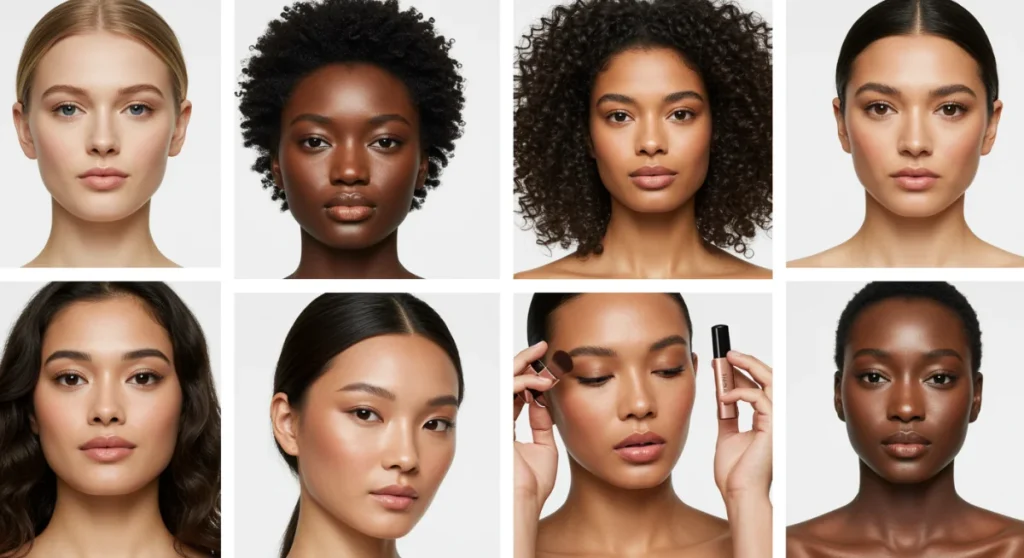
Mastering color theory for skin tone is crucial for achieving a harmonious makeup look, helping beginners identify their undertones and select the perfect shades, significantly reducing cosmetic trial-and-error by 50% in 2026.
Have you ever spent countless hours at the beauty counter, swatching foundations and lipsticks, only to feel overwhelmed and unsure? You’re not alone. The quest for the perfect makeup can often feel like a shot in the dark, leading to a drawer full of products you rarely use. However, understanding color theory for beginners: how to choose the right shades for your skin tone in 2026, reducing trial-and-error by 50%, can transform this experience. This guide will demystify the art of color selection, empowering you to make informed choices that enhance your natural beauty and save you time and money.
Advertisements
Understanding your skin’s undertones
Before diving into specific makeup shades, it’s essential to grasp the concept of skin undertones. Your skin’s surface color can change with sun exposure or product use, but your undertone remains constant. Identifying it correctly is the cornerstone of choosing harmonious makeup colors.
Many people mistakenly focus solely on their surface skin tone, which can lead to makeup choices that clash rather than complement. Undertones are the subtle colors beneath the surface of your skin that affect its overall hue. These can be warm, cool, or neutral, and knowing yours is like having a secret weapon in your beauty arsenal.
The vein test: a simple indicator
One of the easiest ways to determine your undertone is by examining the veins on your wrist. This simple test requires only natural light and a quick glance. The color of your veins can reveal a lot about the underlying pigments in your skin.
- Blue or purple veins: You likely have cool undertones. Your skin leans towards pink, red, or bluish hues.
- Green veins: You probably have warm undertones. Your skin tends to have golden, peach, or yellow hues.
- A mix of blue, green, or indecisive: You might have neutral undertones. Your skin has a balanced mix of warm and cool tones, making you versatile.
Another helpful method is considering how your skin reacts to the sun. If you tend to burn easily and rarely tan, you likely have cool undertones. If you tan easily and rarely burn, warm undertones are probably at play. Those with neutral undertones often experience a mix of both.
Ultimately, understanding your undertone is the first critical step in applying color theory to your makeup routine. It helps you build a foundation of shades that naturally enhance your complexion, making all subsequent color choices much simpler and more effective.
The impact of seasons on color choice
While your undertone remains consistent, your surface skin tone can subtly shift throughout the year due to sun exposure. These seasonal changes mean that the perfect foundation shade in winter might not be the ideal match for summer. Adapting your makeup palette seasonally is a smart strategy to maintain a flawless look.
Even if you’re meticulous about sun protection, environmental factors can still influence your skin’s appearance. Humidity, dryness, and even your diet can play minor roles in how your skin looks, affecting how certain makeup colors interact with it. Being aware of these nuances allows for more precise adjustments.
Adjusting foundation and concealer
Your foundation and concealer are the canvases for your makeup, so getting these shades right is paramount. As your skin tone changes, so too should these core products. It’s not about completely overhauling your collection, but rather making intelligent adjustments.
- Summer: Your skin may darken slightly. Consider having a slightly warmer or darker foundation shade on hand, or mix a drop of a darker liquid bronzer into your regular foundation.
- Winter: Your skin may become lighter. You might need a slightly lighter or cooler-toned foundation. Some people find their skin looks duller in winter, making a radiant finish more appealing.
- Transition periods: Mixing your summer and winter shades can create a custom color that perfectly matches your skin during spring and fall. This blending technique is a professional secret for seamless transitions.
Beyond foundation, consider how seasonal changes affect your preferences for other makeup items. In warmer months, lighter, more vibrant colors might feel appropriate, while cooler months might call for deeper, richer hues. This flexibility ensures your makeup always feels fresh and relevant.
By consciously considering the season and its effects on your skin, you can refine your makeup choices, ensuring a harmonious and natural look all year round. This proactive approach significantly reduces the need for constant trial-and-error, as you’re always one step ahead.
Color theory for eye makeup: enhancing your gaze
Eye makeup is where color theory truly shines, allowing you to enhance your natural eye color and create captivating looks. The principle of complementary colors is key here: choosing shades opposite your eye color on the color wheel can make your eyes pop.
Many beginners stick to safe, neutral eyeshadows, fearing they might choose the wrong color. While neutrals are versatile, a strategic pop of color can elevate your entire look. Understanding which shades naturally enhance your eye color can open up a world of creative possibilities.
Complementary shades for different eye colors
Applying the color wheel to eye makeup is surprisingly straightforward. It’s about creating contrast and drawing attention to your eyes.
- Blue eyes: Warm tones like browns, coppers, golds, and oranges are incredibly flattering. Peach and coral shades also make blue eyes sparkle.
- Green eyes: Purple, plum, burgundy, and reddish-browns are excellent choices. These shades bring out the green and gold flecks in your irises.
- Brown eyes: Brown eyes are incredibly versatile as they contain all primary colors. Blues, greens, purples, and even silvers can look stunning. Experiment with jewel tones.
- Hazel eyes: Depending on whether your hazel eyes lean more green or brown, you can use colors that complement either. Greens, golds, and purples are often fantastic choices.
Beyond complementary colors, consider the intensity and finish of your eyeshadows. Shimmering shades can add dimension, while matte textures provide depth. Don’t be afraid to experiment with different combinations to discover what works best for your unique eye color and personal style.
By understanding the basic principles of color theory for eye makeup, you can move beyond guesswork and confidently select shades that truly enhance your gaze. This knowledge reduces the frustration of trying countless palettes and ensures your eye makeup is always on point.
Selecting lip colors that flatter
Choosing the right lip color can instantly brighten your face and complete your makeup look. Like foundation, the most flattering lip shades often depend on your skin’s undertone. A color that looks stunning on one person might appear jarring on another, all due to those subtle underlying hues.
It’s a common experience to fall in love with a lipstick shade on someone else, only to find it doesn’t quite work for you. This often boils down to a mismatch with your undertone. Once you know your undertone, selecting lip colors becomes a much more intuitive and successful process.
Lipstick shades by undertone
Matching your lip color to your undertone ensures a harmonious and natural-looking finish. This doesn’t mean you can’t wear other colors, but these suggestions are generally the most universally flattering.
- Cool undertones: Look for lipsticks with blue or purple bases. Think true reds, fuchsia, berry shades, and cool-toned nudes.
- Warm undertones: Opt for lipsticks with orange or yellow bases. Coral, peach, warm reds, and golden-brown nudes will complement your complexion beautifully.
- Neutral undertones: You’re in luck! Most colors will work well for you. Experiment with both warm and cool shades to see what you prefer. You can pull off a wide range of nudes, reds, and pinks.
Beyond the undertone, consider the intensity of the color and the occasion. A bold red might be perfect for an evening out, while a sheer nude could be ideal for everyday wear. Don’t forget about the finish – matte, satin, or gloss can dramatically change the impact of a lip color.
With a clear understanding of how your undertone influences lip color choices, you can confidently build a collection of lipsticks that truly flatter your complexion. This targeted approach minimizes impulse buys and maximizes your satisfaction with every application.
Blush and bronzer: sculpting with color
Blush and bronzer are powerful tools for adding dimension, warmth, and a healthy glow to your face. However, choosing the wrong shade or applying it incorrectly can lead to an unnatural or muddy appearance. Color theory once again provides the roadmap to success.
Many people struggle with finding the right blush or bronzer, often ending up with products that are too orange, too muddy, or simply don’t blend seamlessly with their skin. The secret lies in understanding how these colors interact with your natural skin tone and undertone.
Harmonizing with your complexion
The goal of blush and bronzer is to mimic the natural flush of color or sun-kissed glow that appears on your skin. Therefore, the shades you choose should align with your undertone to look truly natural.
- Blush for cool undertones: Opt for pinks, mauves, and berry shades. These colors will give a natural, rosy flush that complements your skin’s cool tones.
- Blush for warm undertones: Peaches, corals, and warm terracotta shades are ideal. These hues will add a healthy, sun-kissed warmth to your complexion.
- Bronzer for cool undertones: Look for bronzers with a neutral or slightly cool undertone to avoid an orange appearance. A soft taupe or a very subtle, cool brown works best for contouring.
- Bronzer for warm undertones: Golden, amber, and warm brown bronzers will enhance your natural warmth and create a sun-kissed effect.
When applying, remember that blush should be placed on the apples of your cheeks for a youthful glow, while bronzer is typically applied where the sun would naturally hit your face – forehead, cheekbones, and jawline. Blending is crucial for a seamless finish, ensuring no harsh lines.
By selecting blush and bronzer shades that are in harmony with your skin’s undertone, you can effortlessly sculpt your features and achieve a radiant, natural-looking glow. This strategic use of color theory eliminates common makeup mishaps and boosts your confidence.
Beyond the basics: advanced color theory tips for 2026
Once you’ve mastered the fundamentals of matching makeup to your skin tone and undertone, you can delve into more advanced color theory concepts that will further elevate your beauty game. The beauty landscape in 2026 is all about personalized expression and smart application.
The beauty industry continues to innovate, offering more nuanced shades and sophisticated formulations. Staying updated with these trends while grounding your choices in solid color theory principles ensures you’re always making the most effective and flattering decisions.
Exploring color harmonies and contrasts
Don’t be afraid to play with color harmonies and contrasts to create unique and impactful looks. While complementary colors are great for making features pop, analogous colors (colors next to each other on the color wheel) can create softer, more cohesive looks.
- Monochromatic looks: Using different shades and tints of a single color can create a chic and sophisticated effect for eyes, lips, and cheeks.
- Triadic harmony: Selecting three colors equally spaced on the color wheel can create bold, vibrant, and balanced looks. For example, blue, red, and yellow, or purple, green, and orange.
- Accent colors: Even if you generally stick to neutrals, a small pop of an unexpected accent color can add a modern and artistic touch to your makeup.
Consider the lighting in which your makeup will be seen. Different light sources can alter how colors appear, so test your looks in various conditions. Natural daylight is always the most accurate for color assessment. Furthermore, don’t underestimate the power of texture and finish; a matte purple will look very different from a shimmery purple.
By continually exploring and experimenting with color theory, you can refine your skills and develop a truly signature style. This journey of discovery allows for endless creativity, ensuring your makeup always reflects your personality and the latest trends while remaining perfectly suited to your complexion.
| Key Point | Brief Description |
|---|---|
| Identify Undertone | Determine if your skin is warm, cool, or neutral to guide all makeup choices. |
| Seasonal Adjustments | Adapt foundation and concealer shades to match your skin’s changes throughout the year. |
| Complementary Colors | Use the color wheel to select eye makeup shades that make your eye color pop. |
| Lip & Cheek Harmony | Choose lipsticks, blushes, and bronzers that align with your undertone for a natural look. |
Frequently asked questions about color theory for skin tone
The most reliable methods are the vein test (blue/purple for cool, green for warm, mixed for neutral) and observing how your skin reacts to sunlight (burns easily for cool, tans easily for warm). You can also hold a white cloth next to your face; if your skin looks pinker, you’re cool; if it looks yellow, you’re warm.
Generally, your undertone is consistent throughout your body. However, sun exposure can create variations in surface tone. Always match foundation to your neck or chest rather than just your face to ensure a seamless blend with the rest of your body.
Neutral undertones are incredibly versatile, meaning you can wear both warm and cool shades effectively. There are no strict colors to avoid, but extremely vibrant or highly saturated colors might require more careful pairing to avoid overpowering your balanced complexion.
Color theory is crucial for hair color. Cool undertones often look best with ash, platinum, and cool brown shades, while warm undertones suit golden, caramel, and auburn hues. Neutral undertones can pull off a wide range, often excelling with balanced, natural-looking colors.
Absolutely. While specific colors may trend, the underlying principle of matching makeup to your skin’s natural undertone remains timeless and foundational for a harmonious look. 2026 trends will likely continue to celebrate personalized beauty, making undertone knowledge even more valuable.
Conclusion
Mastering color theory for beginners: how to choose the right shades for your skin tone in 2026, reducing trial-and-error by 50%, is more than just a beauty hack; it’s a fundamental skill that empowers you to make confident and flattering makeup choices. By understanding your unique skin undertone and how colors interact with it, you unlock a world where every product you buy genuinely enhances your natural beauty. This guide has provided you with the essential tools and knowledge to navigate the vast world of cosmetics with precision, transforming your makeup routine from a guessing game into an art form. Embrace these principles, experiment with confidence, and enjoy the radiant results that come from truly understanding your unique palette.
