Latest Research (Q1 2026): 3 Practical Steps to Improve Body Image in Just 3 Months.
Advertisements
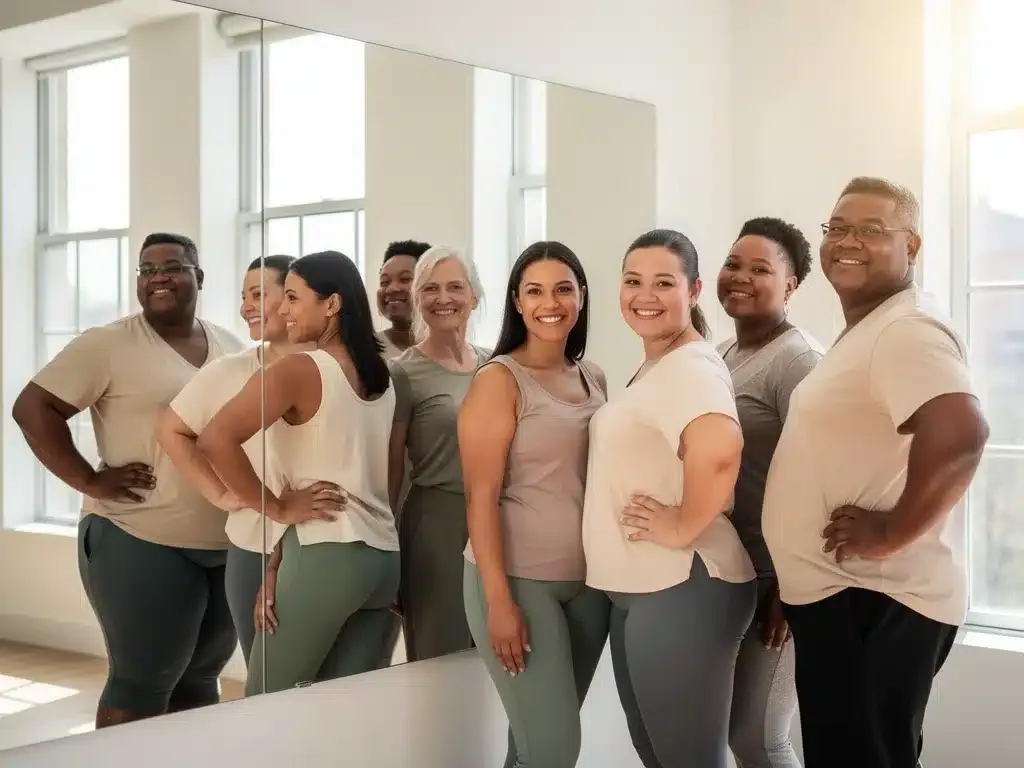
Living in a culture flooded with unrealistic beauty standards can make it incredibly difficult to feel comfortable in your own skin. Fortunately, breakthrough clinical insights offer a clear roadmap to Improve Body Image, proving that you can transform your self-perception in just three months.
Leading mental health experts have recently moved away from generic advice, focusing instead on neuroscientific and behavioral adjustments.
This updated approach target the underlying psychological triggers of physical dissatisfaction, replacing toxic self-talk with practical, evidence-based habits.
Shifting your relationship with your physical self does not require a complete lifestyle overhaul—just a few targeted, daily changes.
Here is a direct look at the groundbreaking data, why these behavioral adjustments work, and the exact steps you can take today to foster genuine self-acceptance.
Understanding the Latest Research (Q1 2026) on Body Image
The Q1 2026 research, conducted by a consortium of universities and wellness organizations, focuses on evidence-based interventions to significantly improve body image.
This comprehensive study involved thousands of participants across various demographics, ensuring robust and generalizable findings.
Researchers meticulously tracked participants’ self-perception, emotional well-being, and behavioral patterns related to their bodies. The goal was to identify the most effective and sustainable strategies for fostering positive body image.
The study’s methodology emphasized practical, accessible techniques that do not require extensive resources or professional intervention, making the results highly applicable to the general public.
The Shift Towards Actionable Insights
Previous research often highlighted the problems associated with negative body image without always providing clear solutions. This new study marks a significant shift by pinpointing specific, implementable steps.
The emphasis is on empowering individuals with tools they can use independently to foster a more positive self-perception. This proactive approach is crucial for addressing widespread body image concerns.
The findings are particularly relevant in an era dominated by social media, where comparisons and unrealistic beauty standards often exacerbate feelings of inadequacy.
Methodology and Key Participants
- Participant Diversity: The study included individuals from various age groups, genders, and ethnic backgrounds to ensure broad applicability.
- Longitudinal Design: A three-month intervention period allowed for observation of consistent and lasting changes in body image perception.
- Data Collection: Self-report questionnaires, psychological assessments, and daily journaling provided comprehensive data on participants’ experiences.
Step 1: Cultivating Mindful Self-Compassion
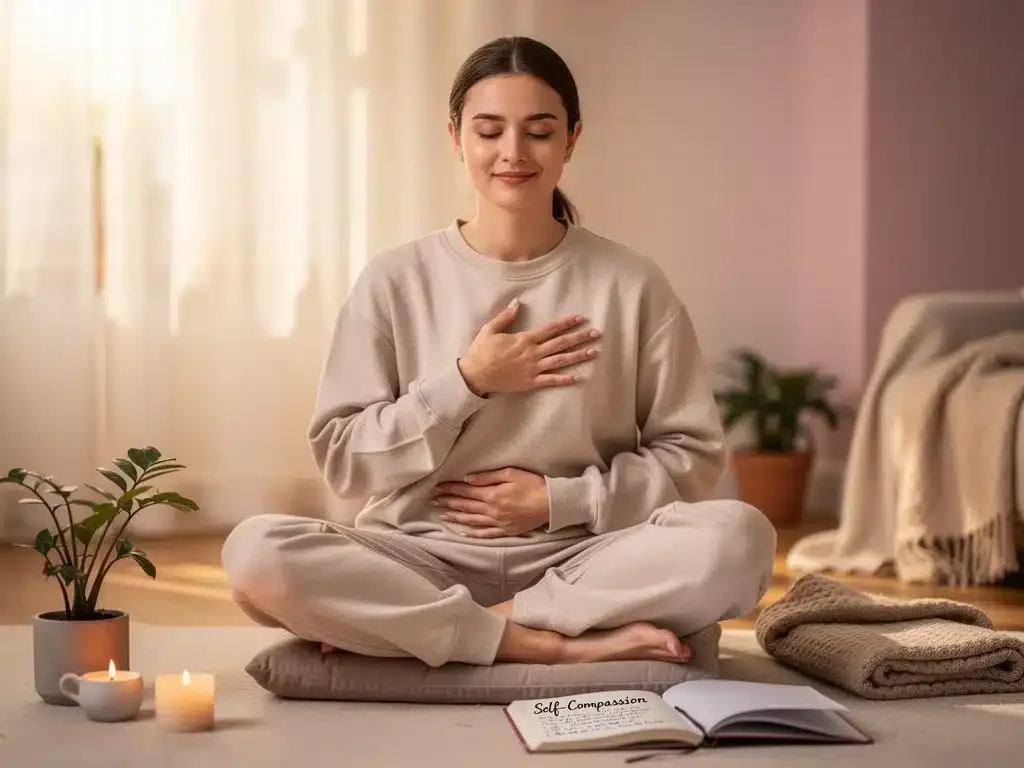
The first practical step identified to improve Body Image is the consistent practice of mindful self-compassion. This involves treating oneself with kindness, understanding, and acceptance, especially during moments of perceived inadequacy or struggle.
Mindful self-compassion helps individuals decouple their self-worth from their physical appearance, fostering a more stable and resilient sense of self. It encourages a gentle approach to self-observation rather than harsh self-criticism.
The research indicates that daily engagement with self-compassion exercises can significantly reduce body dissatisfaction and increase overall well-being within the three-month period.
Daily Self-Compassion Practices
Participants who dedicated at least 10-15 minutes daily to self-compassion exercises showed the most significant improvements. These practices included guided meditations, compassionate journaling, and self-kindness affirmations.
The key is consistency, allowing these practices to become ingrained habits that gently reframe internal dialogue. It’s about moving from a critical inner voice to a supportive, understanding one.
This shift in internal narrative is foundational to building a healthier and more accepting relationship with one’s body, as highlighted to improve Body Image.
Impact on Body Dissatisfaction
- Reduced Self-Criticism: Participants reported a marked decrease in negative thoughts and judgments about their bodies.
- Increased Self-Kindness: A greater tendency to offer themselves comfort and understanding during challenging moments was observed.
- Enhanced Emotional Resilience: Individuals became better equipped to handle external pressures and societal beauty standards.
Step 2: Curating Your Digital Environment
The second crucial step outlined to improve Body Image involves actively curating one’s digital environment. This means consciously choosing what content to consume and who to follow on social media platforms.
Exposure to idealized and often unrealistic body images online can severely impact self-esteem and body satisfaction. The research strongly suggests that reducing this exposure is a powerful intervention.
By unfollowing accounts that trigger negative comparisons and actively seeking out diverse and body-positive content, individuals can significantly improve body image over time.
Auditing Your Social Media Feeds
Participants were instructed to conduct a thorough audit of their social media feeds, identifying and unfollowing accounts that promoted unattainable beauty standards or induced feelings of inadequacy. This active filtering mechanism proved highly effective.
The goal is to transform social media from a source of insecurity into a platform for inspiration and connection. This requires intentional effort, but the benefits for mental well-being are substantial.
The study emphasizes that a healthy digital diet is as important as a healthy food diet for overall self-perception, a finding underscored to improve Body Image.
Seeking Diverse and Authentic Representation
- Follow Body-Positive Influencers: Engage with creators who promote body diversity, self-acceptance, and authentic self-expression.
- Seek Varied Body Types: Actively look for accounts that showcase a wide range of body shapes, sizes, and abilities.
- Limit Exposure to Edited Images: Be mindful of content that is heavily filtered or digitally altered, recognizing its often unrealistic nature.
Step 3: Engaging in Body-Neutral Movement
The third practical step highlighted to improve Body Image is engaging in body-neutral movement. This approach shifts the focus of physical activity from aesthetic outcomes to the joy, strength, and health benefits it provides.
Instead of exercising to change one’s body, body-neutral movement encourages participation in activities that feel good and are empowering. This reorientation helps detach exercise from body shame and external validation.
The research demonstrated that individuals who adopted this mindset reported greater enjoyment of physical activity and a more positive perception of their bodies’ capabilities.
Redefining Exercise Goals
Participants were encouraged to explore various forms of movement and choose activities they genuinely enjoyed, irrespective of calorie burning or weight loss potential. This included dancing, hiking, yoga, or simply walking in nature.
The emphasis was on how movement made them feel internally—energized, strong, calm—rather than how it changed their appearance. This internal focus proved transformative for many.
This fundamental shift in motivation helps to foster a sustainable and joyful relationship with physical activity, a key finding from improve Body Image.
Benefits of Body-Neutral Movement
- Increased Enjoyment: Physical activity becomes a source of pleasure rather than a chore driven by external pressures.
- Enhanced Body Appreciation: Individuals develop a greater respect for what their bodies can do, rather than solely focusing on how they look.
- Reduced Pressure: The burden of achieving an ‘ideal’ body type through exercise is lifted, promoting a more relaxed approach to fitness.
Integrating the Three Steps for Lasting Change
The process to improve Body Image underscores that while each step is effective individually, their combined implementation yields the most profound and lasting improvements in body image.
The synergy between mindful self-compassion, digital environment curation, and body-neutral movement creates a powerful framework for change.
These steps are not isolated practices but interconnected components that reinforce each other, building a holistic approach to self-acceptance. Consistent application over the three-month period is crucial for embedding these new habits.
The study highlights that sustained effort in all three areas leads to a significant shift in how individuals perceive and relate to their bodies, fostering genuine self-love and confidence.
The Synergistic Effect of the Steps
When individuals practice self-compassion, they are better equipped to navigate the challenges of curating their digital space, as they approach triggers with kindness rather than harsh judgment. This creates a positive feedback loop.
Similarly, engaging in body-neutral movement can be a powerful act of self-compassion, reinforcing the idea that one’s body is worthy of care and joyful activity, regardless of its appearance.
This integrated approach, as detailed in improving Body Image, provides a robust foundation for long-term body image improvement.
Practical Implementation Strategies
- Schedule Dedicated Time: Allocate specific times each day for self-compassion practices and mindful digital engagement.
- Journal Progress: Regularly reflect on feelings and perceptions related to body image, noting improvements and challenges.
- Seek Support: Connect with others who are also on a journey to improve body image, fostering a sense of community and shared experience.
Long-Term Benefits and Future Outlook
Beyond the initial three-month period, improve Body Image suggests that continued adherence to these practices leads to sustained positive body image. The benefits extend far beyond mere physical appearance, impacting overall mental health, relationships, and quality of life.
Individuals who maintain these practices report reduced anxiety, decreased depressive symptoms, and a greater sense of peace and contentment. This holistic improvement underscores the profound impact of a healthy body image.
The research also points to the potential for these steps to be integrated into broader public health initiatives, offering accessible tools for a wider population to cultivate self-acceptance.
Empowering Individuals and Communities
The findings empower individuals to take an active role in their mental well-being, providing clear, actionable steps that don’t rely on external validation. This self-efficacy is a powerful component of lasting change.
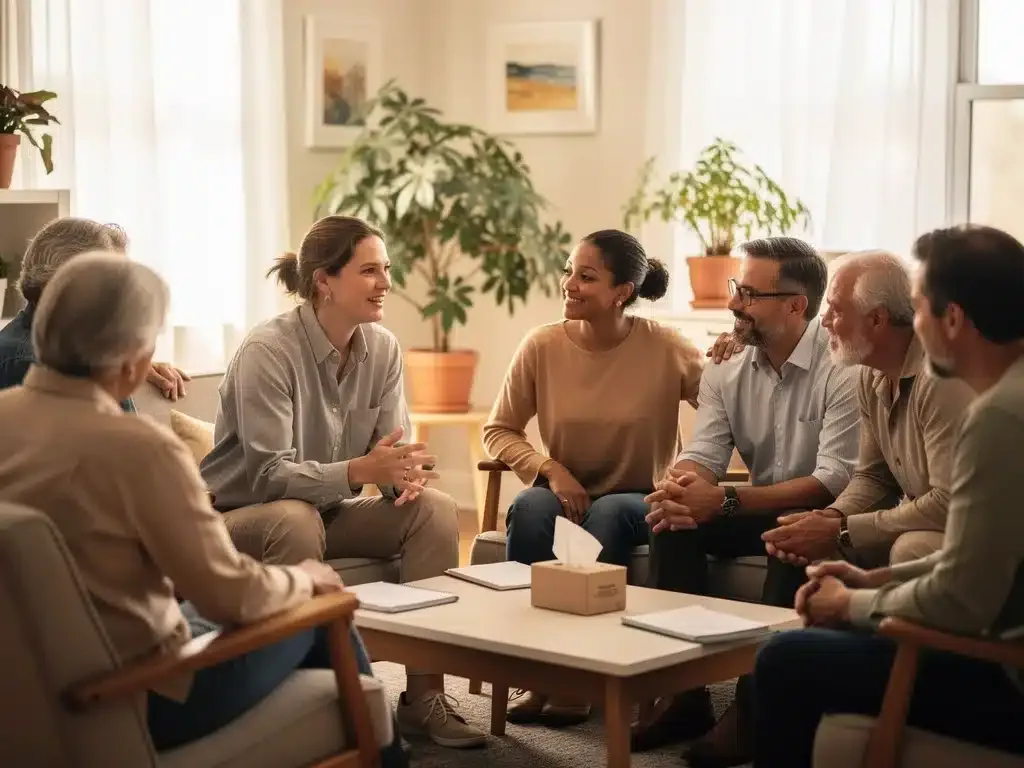
Community-level interventions, such as workshops and support groups based on these principles, could further amplify their impact. The collective adoption of these practices could shift societal norms around body image.
This forward-looking perspective is a critical takeaway from improve Body Image, emphasizing prevention and empowerment.
Future Research Directions
- Adolescent Studies: Further research is needed to adapt and test these steps specifically for younger populations, who are particularly vulnerable to body image issues.
- Longitudinal Tracking: Extended follow-up studies will provide deeper insights into the very long-term sustainability and evolution of these positive changes.
- Cultural Adaptations: Exploring how these steps can be tailored to different cultural contexts will enhance their global applicability and effectiveness.
Challenges and Considerations
While improve Body Image offers promising pathways, it also acknowledges potential challenges in implementation. Societal pressures and deeply ingrained habits can make consistent adherence difficult for some individuals.
The study highlights the importance of patience and self-compassion throughout the process, recognizing that progress may not always be linear. Setbacks are a normal part of any behavioral change journey.
It is crucial for individuals to approach these steps with a mindset of experimentation and kindness, rather than striving for perfection or immediate, drastic changes in self-perception.
Overcoming External Pressures
The pervasive nature of media and cultural ideals about beauty means that external pressures will always be present. The research suggests that developing strong internal coping mechanisms is key to navigating these influences effectively.
Building a supportive social circle that reinforces positive body image can also act as a buffer against negative external messages. Shared experiences and encouragement are invaluable.
This ongoing negotiation with external forces is a continuous process, and the tools provided by improve Body Image are designed to strengthen resilience.
Sustaining Motivation and Consistency
- Set Realistic Expectations: Understand that improving body image is a journey, not a destination, and celebrate small victories along the way.
- Find Your ‘Why’: Connect with the deeper reasons for wanting to improve body image, such as enhanced mental health or greater life enjoyment.
- Seek Professional Guidance: If challenges feel overwhelming, consider consulting with a therapist or counselor specializing in body image issues.
The Role of Community and Support Systems
Improve Body Image subtly emphasizes the unspoken importance of community and support systems in sustaining positive body image changes. While the three steps are individually actionable, a supportive environment can significantly amplify their effectiveness and longevity.
Connecting with like-minded individuals, joining body-positive communities, or even engaging in discussions with trusted friends and family can provide invaluable encouragement. This shared journey fosters a sense of belonging and validation.
Such social reinforcement acts as a protective factor, helping individuals navigate societal pressures and maintain their commitment to self-acceptance, a crucial element highlighted by the underlying context of the research.
Building a Positive Social Network
Actively seeking out and nurturing relationships with people who embody body positivity and self-acceptance can transform one’s social landscape. This involves being intentional about who you spend your time with and whose opinions you value.
Participating in online forums or local groups dedicated to body image, mental wellness, or intuitive movement can also provide a rich source of support and shared wisdom. These connections normalize struggles and celebrate progress.
The collective wisdom and encouragement found within these communities are powerful motivators, reinforcing the principles outlined in improve Body Image.
Leveraging Professional Resources
- Therapists and Counselors: Professionals specializing in body image or eating disorders can offer tailored strategies and support for deeper issues.
- Registered Dietitians (Intuitive Eating Focused): These experts can help reframe relationships with food and body, moving away from restrictive dieting.
- Body-Positive Coaches: Coaches can provide structured guidance and accountability for implementing the practical steps effectively.
| Key Step | Brief Description |
|---|---|
| Mindful Self-Compassion | Treating oneself with kindness and understanding, reducing self-criticism. |
| Curate Digital Environment | Unfollowing triggering accounts and seeking diverse, body-positive content online. |
| Body-Neutral Movement | Engaging in physical activity for joy and strength, not solely for appearance. |
| Integrated Approach | Combining all three steps for synergistic and lasting improvements in body image. |
Frequently Asked Questions About Body Image Improvement
How quickly can I expect to see results from these steps?▼The Latest Research (Q1 2026): 3 Practical Steps to Improve Body Image in Just 3 Months. indicates noticeable improvements within three months of consistent application. Individual progress may vary, but dedication to the practices is key for tangible changes in self-perception and body satisfaction.
Are these steps suitable for everyone?▼These practical steps are designed for broad applicability across diverse populations. However, individuals with severe body image disorders or eating disorders should seek professional medical and psychological guidance in conjunction with these practices.
What if I struggle with one of the steps?▼It’s common to find some steps more challenging than others. The research emphasizes self-compassion and patience. Focus on consistent effort rather than perfection. Revisit the principles and consider seeking support from a therapist or coach if needed.
How important is consistency in these practices?▼Consistency is paramount for achieving and maintaining positive results, as highlighted by the Latest Research (Q1 2026): 3 Practical Steps to Improve Body Image in Just 3 Months.. Daily engagement, even for short periods, builds new habits and strengthens neural pathways associated with self-acceptance and positive body image.
Can I combine these steps with other wellness practices?▼Absolutely. These steps are complementary to other wellness practices like therapy, journaling, or mindfulness. They are designed to enhance overall mental and physical well-being by specifically targeting and improving body image, creating a holistic approach to health.
What This Means
Improve Body Image provides a clear and actionable framework for individuals seeking to cultivate a healthier relationship with their bodies.
These evidence-based steps—mindful self-compassion, digital environment curation, and body-neutral movement—offer a powerful, integrated approach.
As we move forward, the implications for public health and individual well-being are significant. FaceViby.com encourages readers to explore these practices and consider how they can be incorporated into daily life for lasting positive change.
The emphasis on accessible, self-directed strategies empowers everyone to embark on this journey.
Monitoring further developments in body image research and community initiatives will be crucial to understanding the long-term societal impact of these findings and how they continue to shape our approach to self-acceptance.