Personalizing Your Skincare Routine: A 4-Step Guide for 2026
Advertisements
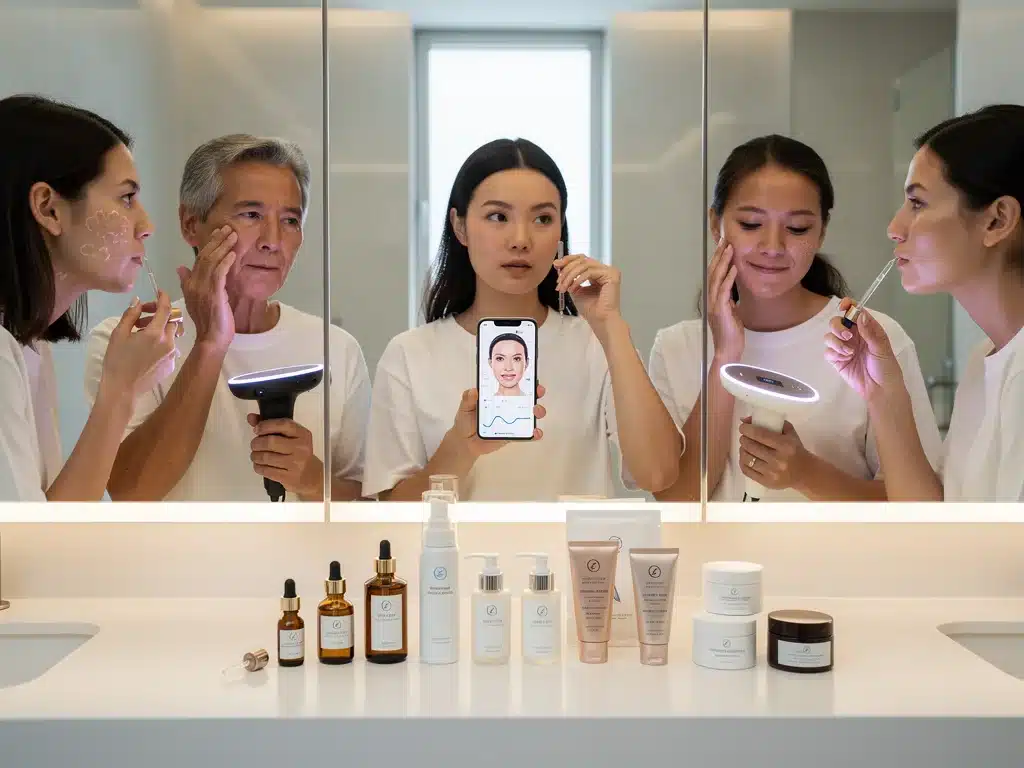
Are you tired of spending money on viral beauty trends that do absolutely nothing for your face? Personalizing Your Skincare Routine is no longer a luxury reserved for high-end clinics; this year, it is the only way to get real, lasting results.
With breakthrough advancements in dermatological science and smart diagnostics, custom-tailored regimens are replacing generic, one-size-fits-all products. Crafting a bespoke system that targets your unique cellular needs is now faster, safer, and far more effective.
You do not need a complicated 10-step shelf of products to achieve a healthy, radiant complexion. Here is your definitive four-step guide to mastering a minimalist, highly targeted daily ritual designed specifically for you.
Advertisements
Understanding Your Skin: The Foundation of Personalization
The initial and arguably most critical step in personalizing your skincare routine involves a deep and accurate understanding of your skin’s unique characteristics.
This goes beyond simple self-assessment, incorporating advanced diagnostic tools and expert consultation to build a precise profile.
As we approach 2026, technology plays an increasingly significant role in this foundational step. Digital skin analysis, powered by AI and machine learning, offers insights that were previously unavailable to the average consumer, providing a data-driven approach to skin health.
Accurate identification of skin type, concerns, and underlying conditions is paramount. Without this detailed understanding, any attempt at personalization risks being ineffective or even detrimental, underscoring the importance of this first stage.
The Role of Advanced Skin Analysis
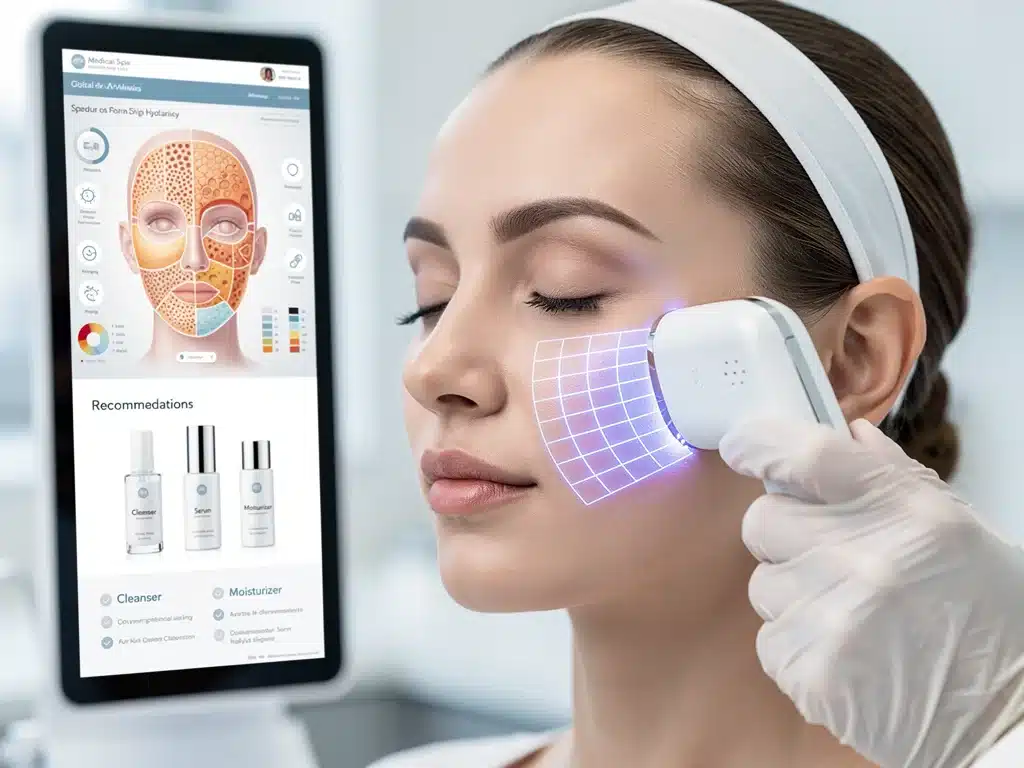
Advanced skin analysis tools, such as AI-powered apps and professional diagnostic devices, are becoming more accessible. These technologies can assess factors like hydration levels, oil production, elasticity, pore size, and even microscopic damage.
These detailed assessments provide a scientific basis for understanding individual skin needs, moving beyond subjective observations. The data generated helps to identify specific concerns like hyperpigmentation, sensitivity, or early signs of aging with greater precision.
- Digital Imaging: High-resolution cameras capture detailed images of the skin’s surface and subsurface.
- AI Algorithms: Artificial intelligence processes these images to identify patterns and potential issues.
- Spectroscopy: Measures skin composition, including collagen and melanin levels, for deeper insights.
Consulting with Skincare Professionals
While technology offers powerful insights, the expertise of dermatologists and licensed estheticians remains invaluable. These professionals can interpret complex data, confirm diagnoses, and provide personalized recommendations based on their extensive knowledge.
A professional consultation can also help identify any underlying medical conditions that might be affecting skin health, ensuring a holistic approach. This human element complements technological advancements, offering a balanced perspective.
Their guidance is particularly important for individuals with sensitive skin, chronic conditions, or those considering advanced treatments. Professional advice ensures that the personalized routine is not only effective but also safe and appropriate for the individual.
Selecting the Right Ingredients and Products
Once a thorough understanding of your skin has been established, the next crucial step in personalizing your skincare routine involves selecting the most effective ingredients and products.
This requires a discerning eye and an understanding of how different components interact with your specific skin profile.
The market is saturated with countless skincare products, each promising various benefits. Navigating this vast landscape becomes significantly easier when armed with precise knowledge of your skin’s needs and the functions of key ingredients.
By 2026, the emphasis shifts further towards ingredient efficacy and transparency. Consumers demand to know what they are putting on their skin and why, driving brands to be more open about their formulations and the science behind them.
Targeting Specific Skin Concerns
Each skin concern has specific ingredients that are known to be effective. For example, hyaluronic acid is excellent for hydration, while salicylic acid targets acne, and retinoids address signs of aging.
Understanding these ingredient functions allows for a targeted approach, ensuring that every product in your routine serves a specific purpose. This avoids unnecessary steps and potential irritation from incompatible ingredients.
- Hydration: Hyaluronic Acid, Glycerin, Ceramides.
- Acne: Salicylic Acid, Benzoyl Peroxide, Niacinamide.
- Anti-Aging: Retinoids, Peptides, Vitamin C.
- Sensitivity: Centella Asiatica, Allantoin, Colloidal Oatmeal.
Custom-Blended Formulations
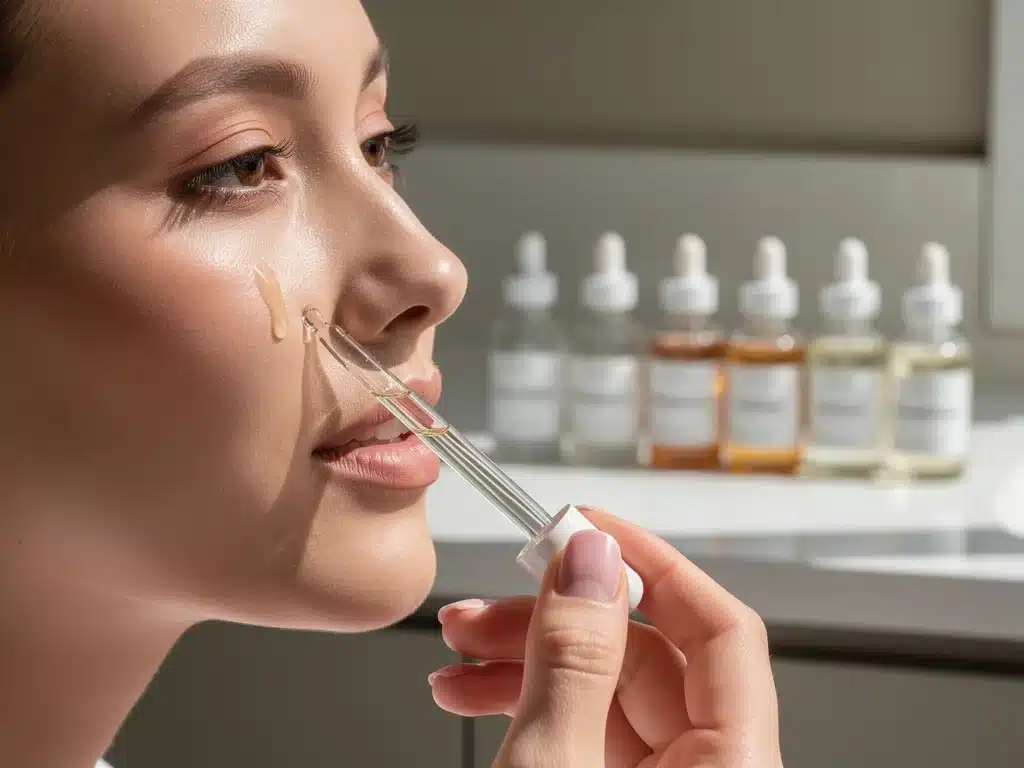
A significant trend in personalizing your skincare routine is the rise of custom-blended formulations. Several brands now offer services where products are mixed on-demand based on an individual’s skin analysis results.
This approach moves beyond off-the-shelf products, providing truly bespoke solutions that address multiple concerns simultaneously. The ability to fine-tune concentrations and combine synergistic ingredients maximizes efficacy.
These custom formulations often involve online quizzes, AI diagnostics, or direct consultations to create a unique product. This level of customization ensures that the product is perfectly matched to the user’s current skin condition and goals.
Building Your Personalized Skincare Regimen
With a clear understanding of your skin and a selection of suitable products, the third step in personalizing your skincare routine is to construct a coherent and effective regimen. This involves determining the correct order of application and frequency for each product.
A well-structured regimen ensures that each product can perform its intended function without interference from others. The sequence of application is crucial for maximizing absorption and preventing potential ingredient conflicts.
Consistency is key to seeing results, making a practical and manageable routine essential for long-term adherence. An overly complicated routine is often abandoned, regardless of how effective its individual components might be.
The Layering Principle
The general rule for layering skincare products is to apply them from thinnest to thickest consistency. This allows lighter, water-based products to penetrate the skin first, followed by heavier, oil-based formulations.
This principle ensures that active ingredients are delivered effectively and that occlusive products can seal in moisture and other beneficial compounds. Incorrect layering can reduce the efficacy of expensive products.
- Cleanse: Start with a gentle cleanser to remove impurities.
- Tone: Apply a toner to balance skin pH and prepare for subsequent steps.
- Treat: Serums or targeted treatments with active ingredients come next.
- Moisturize: Hydrate and protect the skin barrier with a suitable moisturizer.
- Protect: Always finish with a broad-spectrum SPF in the morning.
Morning vs. Evening Routines
Skincare needs differ significantly between morning and evening, necessitating distinct routines. Morning routines focus on protection from environmental aggressors, while evening routines prioritize repair and regeneration.
Antioxidants and SPF are staples of a morning routine, guarding against UV radiation and pollution. Evening routines often incorporate active ingredients like retinoids or alpha hydroxy acids for cellular turnover and repair.
Establishing these separate yet complementary routines optimizes skin health around the clock. This strategic approach is fundamental to effectively personalizing your skincare routine.
Adapting and Evolving Your Skincare
The final step in personalizing your skincare routine acknowledges that skin is a dynamic organ, constantly influenced by internal and external factors. Therefore, a truly personalized routine is never static; it requires continuous adaptation and evolution.
Factors such as seasonal changes, hormonal fluctuations, stress levels, and even geographical location can alter your skin’s needs. Regularly reassessing and adjusting your regimen ensures it remains effective and responsive to these shifts.
This ongoing process of observation, adjustment, and re-evaluation is what truly defines a personalized approach, moving beyond a one-time setup to a continuous journey of skin optimization.
Monitoring Skin Changes
Regularly observing your skin for changes in texture, tone, sensitivity, and breakouts is crucial. Keeping a skin diary can help track patterns and identify triggers for specific concerns.
Paying attention to how your skin reacts to new products or environmental shifts provides valuable feedback for making informed adjustments. This proactive monitoring prevents minor issues from escalating.
This systematic approach to self-assessment empowers individuals to take an active role in their skin health. It’s a key component for anyone committed to personalizing your skincare routine effectively.
Seasonal and Environmental Adjustments
Different seasons bring varying environmental conditions that impact skin. For instance, colder, drier months often necessitate richer moisturizers and barrier-supporting ingredients, while warmer, humid periods might call for lighter formulations and increased sun protection.
Travel to different climates also requires temporary adjustments to your routine. Understanding these environmental influences helps in proactively modifying your regimen to maintain skin balance and health.
These adaptive measures are not merely reactive but form an integral part of a forward-thinking personalized skincare strategy. This foresight allows for seamless transitions and sustained skin well-being.
Responding to Lifestyle Factors
Lifestyle elements such as diet, sleep patterns, stress levels, and exercise habits profoundly influence skin health. Recognizing these connections is vital for a truly holistic and personalized skincare approach.
Periods of high stress, for example, might trigger breakouts or increased sensitivity, requiring a temporary shift to calming and anti-inflammatory products. Similarly, dietary changes can manifest on the skin, prompting adjustments.
Integrating awareness of these internal factors into your skincare strategy ensures that your routine addresses the root causes, not just the symptoms. This makes personalizing your skincare routine a comprehensive health endeavor.
Emerging Technologies Shaping Skincare’s Future
The landscape of skincare is continually evolving, with new technologies promising even greater levels of personalization by 2026. These advancements are set to redefine how we understand, treat, and maintain our skin health.
From AI-driven diagnostics to bio-printed ingredients, the future holds exciting possibilities for truly bespoke solutions. Staying informed about these emerging trends is crucial for anyone keen on optimizing their routine.
These innovations will make personalizing your skincare routine more precise, efficient, and accessible than ever before, empowering consumers with unprecedented control over their skin’s destiny.
AI and Predictive Analytics
Artificial intelligence is moving beyond current diagnostic capabilities to predictive analytics. This means AI could soon anticipate future skin concerns based on genetic data, lifestyle, and environmental exposure.
Predictive models could recommend preventive measures and product adjustments before issues even arise. This proactive approach represents a significant leap forward in personalized skincare.
This level of foresight will allow for highly targeted interventions, optimizing product usage and preventing potential damage. It’s a game-changer for those committed to personalizing your skincare routine.
Wearable Skincare Devices
Wearable technology is expanding into the skincare realm, with devices capable of continuously monitoring skin parameters like hydration, UV exposure, and even pollution levels. These devices provide real-time data directly to the user.
This constant feedback loop allows for immediate adjustments to routines based on current environmental conditions or skin responses. Imagine a device telling you to reapply sunscreen or hydrate more based on real-time data.
Such devices will make the adaptive aspect of personalizing your skincare routine effortless and highly responsive, integrating skincare seamlessly into daily life.
Sustainable Practices in Personalized Skincare
As we delve deeper into personalizing your skincare routine, the conversation increasingly turns towards sustainability. Consumers are not only seeking effective products but also brands that align with their environmental and ethical values.
The beauty industry is responding with innovative approaches to packaging, ingredient sourcing, and manufacturing processes. Sustainable personalized skincare aims to minimize environmental impact while maximizing individual skin benefits.
This intersection of efficacy and eco-consciousness is becoming a non-negotiable aspect for many, driving significant changes across the industry and influencing purchasing decisions.
Eco-Friendly Packaging Solutions
The shift towards sustainable packaging is gaining momentum, with brands adopting refillable containers, biodegradable materials, and minimalist designs. This reduces waste and the carbon footprint associated with product consumption.
Custom-blended products, by nature, can reduce waste by providing exactly what is needed, minimizing excess inventory and unused products. This tailored approach inherently supports more sustainable practices.
- Refillable Systems: Encouraging reuse of containers for serums and moisturizers.
- Biodegradable Materials: Utilizing plant-based plastics or compostable packaging.
- Waterless Formulations: Reducing the need for plastic packaging by offering concentrated products.
Ethical Sourcing and Production
Transparency in ingredient sourcing and ethical production practices are becoming paramount. Consumers are increasingly interested in knowing where ingredients come from, how they are harvested, and whether fair labor practices are upheld.
Brands prioritizing sustainable and ethical sourcing build greater trust and appeal to a conscious consumer base. This extends to ensuring ingredients are not contributing to deforestation or exploitation.
This commitment to responsible practices ensures that while you are personalizing your skincare routine, you are also supporting a healthier planet and fairer supply chains.
The Future of Skincare Education and Accessibility
The journey to personalizing your skincare routine is also shaped by advancements in education and accessibility. As information becomes more readily available and tools become more user-friendly, bespoke skincare will reach a broader audience.
Online platforms, virtual consultations, and interactive educational resources are democratizing access to expert knowledge. This empowers individuals to make more informed decisions about their skin health.
The focus shifts from prescriptive advice to an educative approach, enabling consumers to understand the ‘why’ behind their routines and adapt confidently.
Democratizing Expert Knowledge
Digital platforms are increasingly offering virtual consultations with dermatologists and estheticians, making expert advice accessible regardless of geographical location. This removes barriers that once limited access to specialized skincare guidance.
Interactive apps and online communities provide spaces for learning, sharing experiences, and receiving peer support. This collective knowledge enhances individual understanding and decision-making.
This democratization of knowledge is vital for making personalizing your skincare routine a realistic goal for everyone, not just a select few.
Simplified Product Navigation
To combat product overload, future skincare platforms will likely integrate AI-powered product navigators that recommend items based on individual skin profiles and preferences. These tools will cut through the clutter, presenting only the most relevant options.
Clearer labeling, simplified ingredient lists, and comprehensive product information will also contribute to easier navigation. This transparency helps consumers make quick, informed choices without feeling overwhelmed.
Ultimately, this simplification will streamline the process of personalizing your skincare routine, making it a more enjoyable and less daunting experience for all.
Integrating Wellness for Holistic Skin Health
A truly effective approach to personalizing your skincare routine extends beyond topical applications to encompass overall wellness. Skin health is intrinsically linked to internal well-being, making a holistic perspective essential.
Factors such as nutrition, stress management, sleep quality, and hydration all play significant roles in the appearance and health of your skin. Ignoring these internal elements can undermine even the most meticulously crafted topical routine.
By integrating wellness practices, individuals can achieve more profound and sustainable improvements in their skin, moving towards a comprehensive state of health and vitality.
Nutrition and Skin Health
The adage “you are what you eat” holds significant truth for skin health. A diet rich in antioxidants, vitamins, and healthy fats can visibly improve skin’s radiance, elasticity, and overall resilience.
Conversely, diets high in processed foods, sugar, and unhealthy fats can contribute to inflammation, breakouts, and premature aging. Understanding these dietary impacts allows for informed choices that support skin from within.
- Antioxidants: Berries, leafy greens, green tea protect against oxidative stress.
- Omega-3 Fatty Acids: Fish, flaxseeds, walnuts reduce inflammation and support barrier function.
- Vitamins: Vitamin C (collagen production), Vitamin A (cell turnover), Vitamin E (protection).
Stress Management and Sleep Quality
Chronic stress and inadequate sleep can wreak havoc on the skin, leading to increased cortisol levels that trigger inflammation, acne, and impaired barrier function. Prioritizing stress management and quality sleep is therefore critical.
Techniques such as meditation, yoga, mindfulness, and ensuring a consistent sleep schedule can significantly improve skin health. These practices support the body’s natural repair and regeneration processes.
Incorporating these wellness pillars into your daily life is a powerful, yet often overlooked, component of successfully personalizing your skincare routine, fostering a radiant complexion from the inside out.
| Key Point | Brief Description |
|---|---|
| Skin Analysis | Utilizing advanced tech and expert advice to understand your unique skin profile. |
| Product Selection | Choosing ingredients and custom formulations tailored to specific skin concerns. |
| Regimen Building | Structuring a coherent routine with correct layering and morning/evening distinctions. |
| Routine Adaptation | Continuously adjusting your skincare based on skin changes, seasons, and lifestyle. |
Frequently Asked Questions About Personalized Skincare
Personalizing your skincare routine means tailoring every aspect of your regimen—from product selection to application frequency—to your unique skin type, concerns, and lifestyle. It moves beyond generic products, embracing specific ingredients and formulations that directly address your individual needs for optimal results and skin health.
Professional skin analysis, enhanced by AI and digital tools, is increasingly vital in 2026. It provides precise data on skin conditions, hydration, and other factors that subjective assessment misses. This scientific foundation ensures product choices are truly effective and prevents potential irritation from unsuitable ingredients, forming a core part of personalizing your skincare routine.
Custom-blended products are designed to be highly effective and can indeed replace many existing skincare items by targeting multiple concerns simultaneously. However, a holistic approach to personalizing your skincare routine might still benefit from specialized products like sunscreens or certain treatments, depending on individual needs and the complexity of the custom formulation.
You should adapt your personalized skincare routine as needed, typically with seasonal changes, significant lifestyle shifts, or when you notice changes in your skin’s condition. Regularly monitoring your skin and consulting with professionals or utilizing advanced skin analysis tools can help determine the optimal frequency for adjustments, ensuring your routine remains effective.
By 2026, sustainability is a major factor in personalized skincare, influencing everything from packaging to ingredient sourcing. Consumers increasingly demand eco-friendly options, leading brands to adopt refillable systems, biodegradable materials, and ethical production practices. This ensures that personalizing your skincare routine aligns with environmental values, reducing waste and promoting responsible consumption.
Looking Ahead
The evolution of personalizing your skincare routine underscores a significant shift towards individualized and data-driven beauty. The integration of advanced technology, coupled with a holistic view of wellness, is setting new standards for efficacy and consumer empowerment.
It is worth monitoring advancements in AI diagnostics, wearable devices, and sustainable practices, as these will continue to refine and enhance the personalized skincare journey for everyone.
