Design a 3-Stage Sunday Night Wind-Down Ritual for Better Sleep
Advertisements
Staring at the ceiling while Monday morning anxiety races through your head? Building a structured Sunday Night Wind-Down Ritual can help calm pre-week stress and shave up to 25 minutes off the time it takes you to drift off.
After two days of shifted weekend schedules, your nervous system needs clear signals to transition back into restorative rest. Dividing your evening into three intentional stages—mental offloading, sensory dimming, and physical relaxation—bridges the gap between weekend leisure and weekday focus.
Whether you struggle with racing thoughts or lingering screen stimulation, a deliberate bedtime sequence sets the tone for deeper sleep all week long. Here is how to design each phase for effortless rest tonight.
Understanding the Science Behind Sleep Rituals
The human body's circadian rhythm, or internal clock, largely dictates sleep-wake cycles. Consistent evening routines, especially a dedicated Sunday Night Wind-Down Ritual, signal to the brain that it's time to prepare for sleep, enhancing melatonin production and promoting drowsiness.
Disruptions to this rhythm, often experienced during weekends with varied sleep schedules, can make it challenging to fall asleep on Sunday nights. A structured ritual helps recalibrate the body's internal clock, aligning it with an earlier sleep onset. This intentional shift supports the physiological processes essential for restful sleep.
Research indicates that predictable pre-sleep activities reduce physiological arousal, minimizing the time it takes to fall asleep. By engaging in calming behaviors, individuals can effectively lower heart rate, muscle tension, and mental activity, paving the way for quicker sleep.
Stage 1: The Disconnect (90-120 Minutes Before Bed)
The first stage of your Sunday Night Wind-Down Ritual focuses on disconnecting from stimulating activities that can impede sleep. This involves minimizing exposure to blue light from electronic devices, which is known to suppress melatonin production and keep the brain alert.
Instead of screen time, engage in activities that promote mental quietude and gentle relaxation. This could include reading a physical book, listening to calming music, or engaging in light conversation with family members. The objective here is to gradually reduce sensory input.
This initial phase is crucial for setting the tone for the rest of the ritual, signaling to your brain that the day's demands are winding down. It's about consciously shifting from an active, engaged state to a more passive, introspective one.
Minimize Blue Light Exposure
Turn off all electronic devices: smartphones, tablets, computers, and televisions.
Use blue light filtering glasses if screens are unavoidable for essential tasks.
Switch to warm, dim lighting in your home to mimic natural sunset conditions.
The impact of blue light on sleep is well-documented, with studies consistently showing its detrimental effects on melatonin secretion. By actively reducing this exposure, you allow your body's natural sleep-inducing hormones to begin their work unhindered. This conscious effort is a cornerstone of an effective Sunday Night Wind-Down Ritual.
Stage 2: The Calm (60-90 Minutes Before Bed)
The second stage of your Sunday Night Wind-Down Ritual is dedicated to deep relaxation and soothing the body. This involves activities that physically and mentally prepare you for sleep, further reducing stress and tension accumulated during the weekend.
Consider incorporating a warm bath or shower, which can help lower your core body temperature after you get out, a physiological signal for sleep. Gentle stretching or light yoga can also release muscle tension, promoting physical comfort.
This phase is about engaging the parasympathetic nervous system, responsible for 'rest and digest' functions, to counteract any lingering stress responses. The focus is on deliberate actions that foster a sense of peace and tranquility.
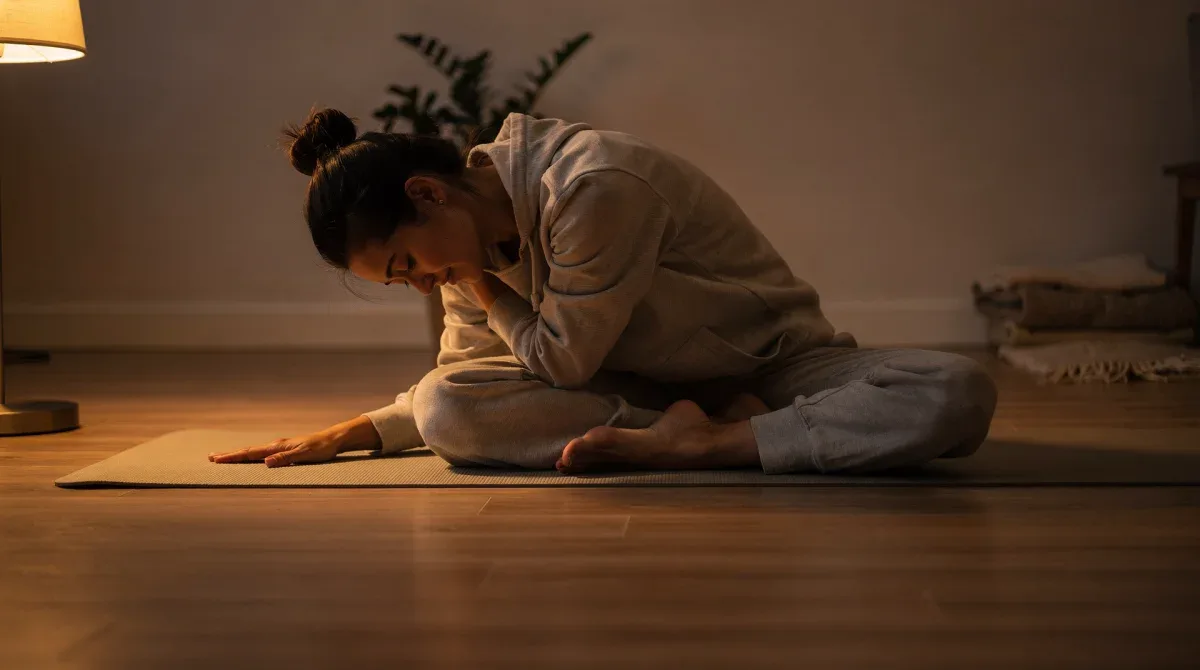
Engage in Gentle Physical Relaxation
Light stretching or restorative yoga poses can significantly relax muscles without stimulating the body. Focus on slow, deliberate movements and deep breathing to enhance the calming effect. This physical release helps alleviate any stiffness or discomfort that might prevent easy sleep.
A warm bath infused with Epsom salts or essential oils like lavender can be incredibly effective. The warmth soothes muscles, while the aromatherapy promotes mental relaxation. Ensure the water isn't too hot, as extreme temperatures can be counterproductive to sleep preparation.
Mindful breathing exercises or progressive muscle relaxation techniques are also beneficial during this stage. These practices help to quiet a busy mind and reduce overall body tension, making it easier to drift off. The goal is to achieve a state of serene readiness for sleep.
Stage 3: The Prepare (30-60 Minutes Before Bed)
The final stage of your Sunday Night Wind-Down Ritual is about preparing your immediate sleep environment and engaging in final mental unwinding. This involves ensuring your bedroom is conducive to sleep and clearing your mind of any lingering thoughts or worries.
Optimize your bedroom for sleep by ensuring it's dark, cool, and quiet. Adjusting the thermostat to a slightly cooler temperature can aid in sleep onset, as the body naturally cools down when preparing for rest. Blackout curtains can block external light sources.
Mentally, this is the time for a brief reflection or journaling, allowing you to process thoughts without dwelling on them. A short gratitude practice can shift your focus to positive aspects, reducing anxiety and promoting a peaceful mindset. This structured approach helps reinforce your Sunday Night Wind-Down Ritual.
Final Mental Decluttering and Environment Setup
Write down any lingering tasks or worries in a journal to get them out of your head.
Perform a short gratitude exercise, focusing on three positive things from your day.
Ensure your bedroom is dark, quiet, and cool, setting the optimal sleep environment.
Avoiding heavy meals or excessive liquids during this stage is also important to prevent digestive discomfort or nighttime awakenings. A light, sleep-inducing snack like a banana or a small handful of almonds, paired with herbal tea, can be consumed if necessary. This holistic approach ensures your Sunday Night Wind-Down Ritual is comprehensive.
Customizing Your Sunday Night Wind-Down Ritual
While the 3-stage framework provides a robust foundation, the most effective Sunday Night Wind-Down Ritual is one that is personalized to your individual needs and preferences. What calms one person may not work for another, making experimentation key.
Consider your personal stressors and what genuinely helps you unwind. Some individuals might find meditation particularly effective, while others prefer listening to audiobooks or engaging in a hobby like knitting. The ritual should feel enjoyable and not like another chore.
Consistency is paramount. Even if you modify the specific activities, sticking to the general timing and flow of your ritual each Sunday will yield the best results. Over time, your body will associate these actions with sleep, strengthening their effectiveness.
Tailoring Activities for Maximum Impact
Reflect on past experiences where you felt truly relaxed before sleep. Was it a specific type of music, a certain aroma, or a particular book? Incorporate these elements into your ritual to enhance its personal effectiveness. The goal is to create a sense of comfort and familiarity.
Trial and error will be part of the process. If a particular activity isn't helping you unwind, don't hesitate to swap it out for something different. The flexibility to adjust your Sunday Night Wind-Down Ritual ensures it remains a beneficial and sustainable practice. This adaptability is key to maintaining a successful routine.
Also, consider incorporating elements from self-care Sunday practices that you enjoy. This could be a face mask, a gentle foot massage, or anything that promotes a feeling of indulgence and relaxation. Integrating these components can make your Sunday Night Wind-Down Ritual feel more like a treat than a task.

Measuring the Effectiveness of Your Ritual
To truly understand if your Sunday Night Wind-Down Ritual is helping you fall asleep 25 minutes faster, tracking your sleep patterns is essential. This involves monitoring sleep onset latency (how long it takes to fall asleep) and overall sleep quality.
Utilize sleep tracking apps or wearable devices that can provide objective data on your sleep metrics. Keep a simple sleep journal, noting down the time you went to bed, the estimated time you fell asleep, and how rested you felt upon waking. This qualitative data complements the quantitative.
Over several weeks, analyze the data to identify trends and make informed adjustments to your ritual. If you're not seeing the desired improvement, it might be time to tweak certain stages or activities. This iterative process ensures your Sunday Night Wind-Down Ritual remains optimized.
Tools and Techniques for Sleep Tracking
Sleep tracking apps: Many smartphone applications can monitor sleep cycles and provide insights into sleep efficiency.
Wearable devices: Smartwatches and fitness trackers often come with advanced sleep tracking capabilities, including heart rate and movement analysis.
Sleep journal: A simple notebook can be incredibly effective for recording subjective feelings and observations about your sleep.
Consistency in tracking is just as important as consistency in the ritual itself. Irregular data collection will make it difficult to draw accurate conclusions about the ritual's effectiveness. Make it a part of your daily routine to review your sleep patterns. This dedication will refine your Sunday Night Wind-Down Ritual.
Common Pitfalls to Avoid
Even with the best intentions, certain habits can undermine the effectiveness of your Sunday Night Wind-Down Ritual. Recognizing and avoiding these common pitfalls is crucial for maximizing your chances of falling asleep faster and getting quality rest.
One significant mistake is inconsistency. Skipping your ritual or varying its timing significantly can confuse your body's internal clock, making it harder to establish a consistent sleep pattern. The ritual's power lies in its predictability.
Another pitfall is introducing stimulating activities too close to bedtime, even after the initial disconnect phase. This includes intense exercise, engaging in emotional conversations, or consuming caffeine or alcohol. These can counteract all your efforts to unwind.
Mistakes That Disrupt Your Ritual
Ignoring your body's signals is a common error. Pushing through fatigue or trying to force yourself to stay awake past your natural bedtime can disrupt your sleep architecture. Listen to your body and adjust your ritual to align with its natural rhythms. This responsiveness is vital for a successful Sunday Night Wind-Down Ritual.
Creating an overly complex ritual that feels like a burden rather than a relaxation technique can also be counterproductive. The goal is simplicity and ease of execution. If your ritual feels overwhelming, simplify it until it becomes a comforting routine that you look forward to. This ease of adoption is critical for long-term success with your Sunday Night Wind-Down Ritual.
Furthermore, not addressing underlying sleep issues, such as sleep apnea or insomnia, through professional medical advice is a major oversight.
A wind-down ritual is a supportive tool, not a cure for chronic sleep disorders. Consulting a healthcare provider for persistent sleep problems is essential. This ensures a holistic approach to your sleep health, complementing your Sunday Night Wind-Down Ritual.
The Broader Impact of a Consistent Wind-Down
Beyond simply falling asleep faster, a consistent Sunday Night Wind-Down Ritual offers far-reaching benefits for overall well-being. Improved sleep quality positively impacts mood, cognitive function, and physical health, setting a positive tone for the entire week.
Studies show that individuals with consistent sleep routines exhibit better emotional regulation and reduced stress levels. This reduction in anxiety, particularly the 'Sunday scaries,' contributes to a more positive outlook and enhanced resilience throughout the week.
Furthermore, adequate and consistent sleep boosts immune function and supports metabolic health. By prioritizing your Sunday Night Wind-Down Ritual, you are investing in your long-term health and productivity, not just a single night's rest.
Benefits Beyond Faster Sleep Onset
Enhanced cognitive function: Improved memory, focus, and problem-solving abilities during the week.
Better mood regulation: Reduced irritability and increased emotional stability.
Strengthened immune system: Greater resistance to illness due to restorative sleep.
Reduced stress and anxiety: A consistent routine signals safety and predictability to the brain.
The cumulative effect of a well-executed Sunday Night Wind-Down Ritual extends into every aspect of your life.
It transforms Sunday evening from a time of dread into an opportunity for rejuvenation and preparation, contributing to a more balanced and fulfilling lifestyle. This proactive self-care strategy is a cornerstone of holistic well-being.
Key Aspect | Description |
|---|---|
Disconnect Stage | Minimize screens and blue light 90-120 minutes before bed. |
Calm Stage | Engage in relaxing activities like warm baths or gentle stretching 60-90 minutes prior. |
Prepare Stage | Optimize sleep environment and mental unwinding 30-60 minutes before sleep. |
Customization | Personalize activities and track effectiveness for optimal results. |
Frequently Asked Questions About Sunday Night Wind-Down Rituals
What is the primary goal of a Sunday Night Wind-Down Ritual?▼
The main objective is to help individuals transition smoothly from weekend activities to a state conducive to sleep, aiming to fall asleep faster and improve overall sleep quality. It prepares the mind and body for the upcoming work week, reducing stress and anxiety often associated with Sunday evenings.
How long should each stage of the ritual last?▼
The 'Disconnect' stage should ideally begin 90-120 minutes before bedtime. The 'Calm' stage follows, lasting 60-90 minutes. Finally, the 'Prepare' stage takes place in the last 30-60 minutes before you intend to fall asleep. These timings are flexible and can be adjusted to fit individual schedules.
Can I still use my phone during the 'Disconnect' stage?▼
It is strongly recommended to avoid all electronic devices, especially those emitting blue light, during the 'Disconnect' stage. Blue light suppresses melatonin production, making it harder to fall asleep. If absolutely necessary, use blue light filtering glasses and keep screen time minimal and non-stimulating.
What if I don't have time for a full 3-stage ritual?▼
Even a condensed version of the ritual can be beneficial. Focus on the most impactful elements, such as eliminating blue light for at least 30 minutes before bed and engaging in a quick calming activity like deep breathing or light stretching. Consistency, even in a shorter form, is key.
How quickly can I expect to see results from implementing this ritual?▼
Many individuals report feeling more relaxed and falling asleep faster within the first few weeks of consistently practicing a Sunday Night Wind-Down Ritual. Significant improvements in sleep onset latency, such as falling asleep 25 minutes faster, typically become noticeable with consistent adherence over one to two months.
Impact and Implications
The widespread adoption of a structured Sunday Night Wind-Down Ritual could significantly shift public health outcomes related to sleep and stress management. As awareness grows, more individuals are seeking practical, evidence-based methods to combat sleep disturbances exacerbated by modern lifestyles.
The ongoing trend towards holistic well-being further underscores the relevance of such rituals. Future research will likely explore the long-term cognitive and emotional benefits, solidifying its role as a crucial self-care practice.
This proactive approach to sleep hygiene is poised to become a staple in personal wellness strategies, offering tangible improvements in daily functioning and overall quality of life.