Comparison of Sunday Self-Care Apps: Which of the Top 5 Offers the Best Value for Your Wellness Goals?

Advertisements
Finding the perfect balance for your weekend wind-down has never been easier with the latest Sunday Self-Care Apps. As we head into 2026, these digital sanctuaries are redefining how we reset our minds and bodies for the week ahead.
Navigating the crowded wellness market requires more than just a download; it demands a strategic look at which mindfulness platforms actually deliver results.
Our analysis cuts through the hype to highlight tools that offer genuine mental clarity and habit-building power.
Advertisements
Whether you prioritize holistic fitness or deep meditation, choosing the right subscription is an investment in your long-term resilience. This guide evaluates top-tier habit trackers and mood journals to ensure your wellness budget aligns with your personal growth goals.
The Evolving Landscape of Digital Self-Care in 2026
The digital self-care market continues its rapid expansion, driven by increasing consumer demand for accessible wellness solutions.
In 2026, apps are no longer just tools; they are integrated platforms offering personalized journeys for mental, emotional, and physical well-being. This shift necessitates a focused Sunday Self-Care Apps.
New technologies, including AI-driven personalization and enhanced biometric integration, are redefining what users expect from self-care applications.
These advancements promise more tailored experiences, moving beyond generic content to deliver truly individualized support. The focus is increasingly on holistic well-being, encompassing meditation, fitness, nutrition, and personal development in a single interface.
As the market matures, distinguishing between superficial offerings and truly valuable platforms becomes paramount. Our analysis delves into the core functionalities and innovative features that set the leading apps apart.
We prioritize those that offer sustainable value and tangible benefits for consistent Sunday self-care practices.
Defining Value in Self-Care Apps for 2026
Value in the context of self-care apps extends beyond a mere subscription fee; it encompasses the efficacy of their programs, the quality of their content, and the intuitiveness of their user experience.
A truly valuable app provides measurable improvements in user well-being and seamlessly integrates into existing routines. This is a crucial aspect of the Sunday Self-Care Apps.
User engagement and retention rates also serve as strong indicators of an app’s inherent value. Platforms that foster a sense of community or offer progressive learning paths tend to retain users longer, suggesting a deeper impact on their self-care habits.
Accessibility, including multi-device compatibility and offline content, further enhances an app’s overall utility.
Furthermore, the privacy and data security policies of these apps are becoming increasingly important considerations for users. Trust in the platform, especially concerning sensitive personal data related to health and wellness, is a non-negotiable aspect of perceived value.
We scrutinize these elements to provide a comprehensive assessment.
- Personalization capabilities and AI integration for tailored experiences.
- Quality and depth of content, including guided meditations, exercises, and journaling prompts.
- User interface design and ease of navigation for a seamless experience.
- Data privacy and security measures to protect sensitive user information.
Top Contender 1: Calm – The Meditation and Sleep Giant
Calm has maintained its position as a dominant force in the self-care app market, particularly excelling in meditation and sleep support.
Its extensive library of guided meditations, sleep stories, and breathing exercises caters to a wide audience, from beginners to experienced practitioners.
The app’s serene interface and high-quality audio content contribute significantly to its appeal, making it a strong contender in any Sunday Self-Care Apps.
For 2026, Calm continues to innovate, introducing more specialized programs for stress reduction, focus enhancement, and emotional resilience. Its collaboration with renowned experts and celebrities ensures a consistent flow of fresh, engaging content.
The app’s premium subscription, while an investment, unlocks a vast array of resources that can profoundly impact daily well-being, especially on Sundays.
User testimonials frequently highlight Calm’s effectiveness in improving sleep quality and reducing anxiety levels. Its intuitive design means users can quickly find the content they need, whether it’s a quick mindfulness break or a longer guided session.
This focus on user experience and content quality solidifies its leading status.
Top Contender 2: Headspace – Mindfulness for Modern Life
Headspace offers a distinct approach to mindfulness, presenting it in an accessible and often playful manner, making it ideal for those new to meditation. Its structured courses, delivered by co-founder Andy Puddicombe, simplify complex mindfulness concepts into digestible daily sessions.
This makes it a popular choice for individuals looking to integrate mindfulness into their busy lives, a key factor in our Sunday Self-Care Apps.
The app’s focus extends beyond meditation to include exercises for focus, movement, and even mindful eating.
Headspace’s commitment to evidence-based practices is evident in its collaborations with scientific institutions and its ongoing research into the benefits of mindfulness. This scientific backing lends credibility to its offerings and reassures users of its efficacy.
For 2026, Headspace is enhancing its corporate wellness programs and expanding its content library to address more specific mental health challenges.
Its engaging animations and clear instructions make the learning process enjoyable, helping users build sustainable self-care habits. The platform’s ability to adapt to various user needs reinforces its value proposition.
Top Contender 3: BetterMe – Holistic Health and Fitness
BetterMe distinguishes itself by offering a comprehensive suite of tools for holistic health, extending beyond mental well-being to include fitness and nutrition.
This all-in-one approach appeals to users seeking a single platform for their diverse self-care needs, positioning it uniquely in the Sunday Self-Care Apps. Its personalized workout plans, meal guides, and meditation sessions aim to foster a balanced lifestyle.
The app leverages AI to create customized programs based on user goals, preferences, and current fitness levels. This personalization ensures that users receive relevant and effective recommendations, maximizing their potential for success.
BetterMe’s interactive challenges and progress tracking features further motivate users to stay consistent with their wellness routines.
In 2026, BetterMe is expected to expand its integration with wearable devices, offering even more precise tracking and personalized feedback.
Its community features allow users to connect with others on similar journeys, providing a supportive environment for achieving health goals. The breadth of its offerings makes it a compelling choice for comprehensive self-care.
Top Contender 4: Daylio – Mood Tracking and Journaling
Daylio offers a simpler, yet profoundly effective, approach to self-care through mood tracking and micro-journaling. It allows users to quickly record their moods and activities throughout the day, providing valuable insights into patterns and triggers that affect their emotional state.
This straightforward functionality is a crucial aspect when considering the Sunday Self-Care Apps, particularly for self-awareness.
The app’s strength lies in its simplicity and visual data representation, making it easy for users to identify trends in their well-being without extensive writing.
By understanding these patterns, users can make informed adjustments to their routines, improving their overall mental health. Daylio serves as a powerful tool for self-reflection and personal growth.
For 2026, Daylio is anticipated to introduce more advanced analytics and integration with other wellness platforms, allowing for a more holistic view of user data.
Its customizable activities and mood options ensure that the app remains relevant and adaptable to individual needs. The focus on self-awareness through data makes it an invaluable self-care companion.
Top Contender 5: Fabulous – Daily Habit Tracker & Coach
Fabulous takes a unique, science-based approach to habit formation, guiding users through a structured process to build lasting healthy routines. Inspired by behavioral economics, the app focuses on small, incremental changes that lead to significant improvements in well-being.
This guided journey makes it a standout in the Sunday Self-Care Apps for those seeking structured self-improvement.
The app’s personalized coaching and motivational prompts help users overcome procrastination and stay committed to their goals.
Fabulous starts with foundational habits, gradually introducing more complex routines as users build confidence and consistency. This progressive methodology is designed to create sustainable lifestyle changes.
In 2026, Fabulous is expected to further enhance its AI coaching capabilities, offering even more tailored advice and real-time encouragement.
Its engaging narrative and beautiful design make the process of habit building enjoyable and rewarding. For individuals aiming to systematically improve their self-care practices, Fabulous offers exceptional value.
Key Features and Value Proposition for 2026
When evaluating the value of self-care apps for 2026, several key features stand out as essential. Personalization, driven by advanced AI algorithms, allows apps to adapt to individual user needs and preferences, offering a truly bespoke experience.
This is a critical differentiator in the ongoing Sunday Self-Care Apps, moving beyond generic content to deliver impactful, tailored support.
Integration with other health and wellness platforms, including wearables and smart home devices, enhances the holistic nature of self-care.
Apps that seamlessly connect with existing digital ecosystems provide a more comprehensive view of user health, allowing for better-informed decisions and more effective interventions.
The ability to track progress across multiple dimensions (mental, physical, and emotional) is increasingly vital for a complete wellness journey.
Furthermore, the quality and diversity of content remain paramount. Apps that offer a rich library of guided meditations, cognitive behavioral therapy (CBT) exercises, fitness routines, and nutritional guidance provide superior value.
User-friendly interfaces, robust privacy policies, and responsive customer support also contribute significantly to an app’s overall appeal and long-term utility. These elements collectively define the best value in the competitive self-care app market.
The Importance of User Experience and Accessibility
A superior user experience (UX) is non-negotiable for self-care apps in 2026, influencing both initial adoption and long-term engagement. Apps with intuitive navigation, aesthetically pleasing designs, and minimal friction in daily use tend to foster greater user satisfaction.
This focus on seamless interaction is a cornerstone of any effective Sunday Self-Care Apps, ensuring that the technology enhances, rather than hinders, the self-care process.
Accessibility features, such as compatibility with various devices, offline access to content, and support for multiple languages, broaden an app’s reach and utility.
These considerations ensure that self-care resources are available to a wider demographic, regardless of their technical proficiency or geographical location. An inclusive design approach reflects a commitment to genuine user well-being.
Moreover, the responsiveness of an app to user feedback and its continuous evolution through regular updates demonstrate a dedication to improving the user experience.
Platforms that actively listen to their community and implement meaningful changes are more likely to retain users and build a loyal following. This iterative development cycle is vital for staying competitive in the dynamic digital wellness space.
- Intuitive navigation and clean, minimalist design for ease of use.
- Seamless onboarding process that guides new users effectively.
- Customizable settings to tailor the app experience to individual preferences.
- Reliable performance across different operating systems and devices.
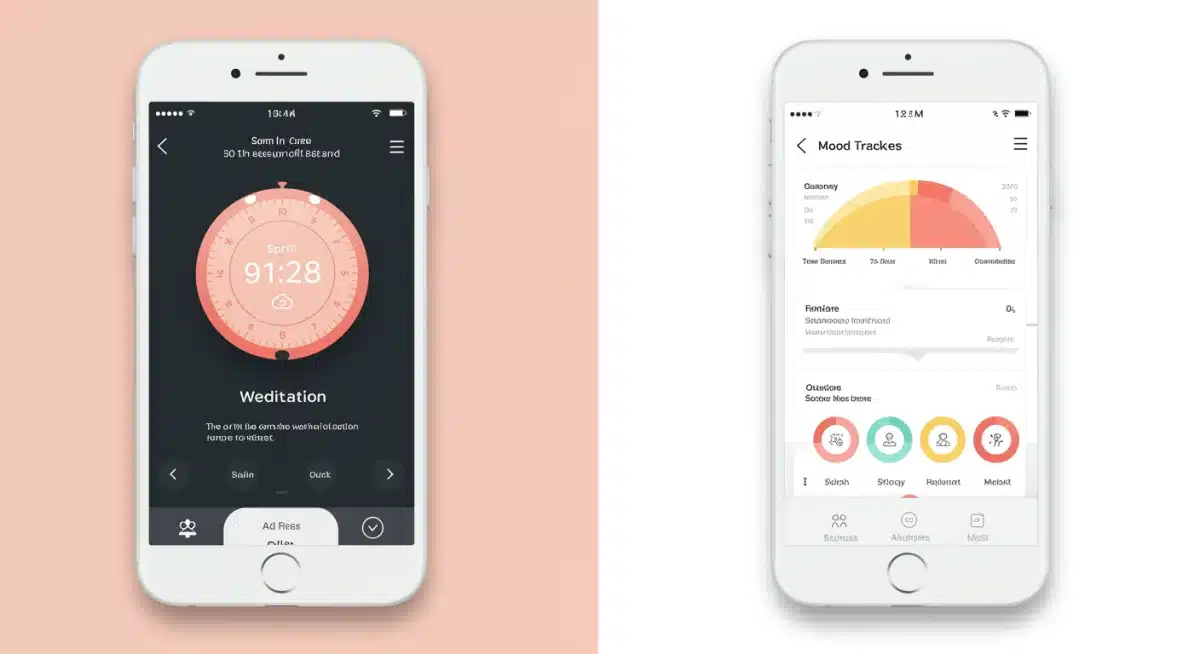
The landscape of self-care apps is highly competitive, with each platform striving to offer unique value propositions. A deep dive into their features reveals distinct strengths, making the Sunday Self-Care Apps even more crucial.
Some excel in guided meditation, while others focus on holistic health or habit formation, catering to diverse user needs and preferences.
Understanding these differentiators is key to selecting an app that truly aligns with your personal wellness objectives. For instance, if sleep improvement is a primary goal, an app with extensive sleep stories and soundscapes might be ideal.
Conversely, if building consistent habits is paramount, a platform with a strong coaching component would be more beneficial. This tailored approach ensures maximum utility and satisfaction from your chosen app.
Beyond core functionalities, the community aspect and expert-led content also add significant layers of value. Apps that connect users with certified professionals or offer peer support networks can enhance motivation and provide additional resources for personal growth.
These elements contribute to a more comprehensive and engaging self-care experience, extending beyond mere digital interaction.
The Role of Personalized Content and AI in Self-Care Apps
Personalized content, powered by artificial intelligence, is rapidly becoming a cornerstone of effective self-care apps.
In 2026, platforms that can dynamically adapt their offerings based on user input, historical data, and even biometric feedback provide a significantly enhanced experience.
This level of customization moves beyond static programs, offering relevant and timely interventions that are critical for a meaningful Sunday Self-Care Apps.
AI algorithms can analyze user patterns, identify areas for improvement, and suggest appropriate content, whether it’s a specific meditation, a targeted exercise, or a journaling prompt.
This predictive capability helps users stay engaged and addresses their evolving needs more effectively. The goal is to create a digital companion that truly understands and supports an individual’s unique wellness journey.
Furthermore, AI-driven chatbots and virtual coaches are becoming more sophisticated, offering real-time support and guidance.
These features can provide a sense of accountability and motivation, mimicking the benefits of a human coach without the associated cost or scheduling constraints. The integration of AI promises to make self-care more accessible, personalized, and impactful for a broader audience.
Future Trends and Innovations to Watch
Looking ahead to 2026, several innovations are poised to reshape the self-care app landscape. Enhanced integration with wearable technology, such as smartwatches and fitness trackers, will allow for more precise biometric data collection and personalized feedback.
This direct link between physical and digital wellness will enable apps to offer highly customized recommendations, further refining the Sunday Self-Care Apps.
The expansion of virtual reality (VR) and augmented reality (AR) into self-care experiences is another exciting development. Imagine immersive meditation environments or interactive mindfulness exercises that transport users to tranquil settings.
These technologies could offer unprecedented levels of engagement and effectiveness, making self-care practices more experiential and impactful. Such advancements will redefine what users expect from their digital wellness tools.
Moreover, the focus on preventative mental health and proactive well-being will continue to grow, with apps offering more tools for early stress detection and resilience building.
Gamification elements, designed to make self-care routines more enjoyable and rewarding, will also become more prevalent. These trends highlight a future where self-care apps are not just reactive tools but integral components of a proactive, holistic wellness strategy.
- Integration of biometric data from wearables for hyper-personalized insights.
- Development of VR/AR experiences for immersive self-care practices.
- Expansion of preventative mental health tools and proactive well-being strategies.
- Increased use of gamification to enhance engagement and habit formation.
The digital wellness sector is not static; it is a dynamic ecosystem constantly evolving with new scientific understanding and technological capabilities.
This continuous innovation means that a comprehensive Sunday Self-Care Apps must account for emerging trends and future-proof features. Apps that invest in research and development are better positioned to meet the evolving needs of their users.
Consider the growing emphasis on neurofeedback and biofeedback integrations, which allow apps to provide real-time insights into physiological states.
These advanced features offer a deeper level of self-awareness and control, enabling users to fine-tune their self-care practices with greater precision. Such sophisticated tools represent the cutting edge of digital wellness, promising more effective and personalized outcomes.
Furthermore, the convergence of physical and mental health within app ecosystems is a significant trend. Platforms that seamlessly combine exercise routines, nutritional guidance, sleep tracking, and mental wellness programs offer unparalleled value.
This holistic approach recognizes the interconnectedness of various aspects of health, providing users with a unified and comprehensive pathway to well-being.
Choosing the Right App for Your Sunday Self-Care
Selecting the ideal self-care app for your needs in 2026 requires careful consideration of your personal wellness goals and preferences. There is no one-size-fits-all solution, making the Sunday Self-Care Apps a highly individualized process.
Begin by identifying your primary areas of focus, whether it’s stress reduction, improved sleep, habit formation, or holistic health management.
Consider the app’s subscription model and whether it offers a free trial period to test its features before committing. Evaluate the quality of its content, the intuitiveness of its user interface, and its compatibility with your existing devices.
User reviews and expert analyses, such as this one, can provide valuable insights into real-world performance and satisfaction levels.
Ultimately, the best app is the one you will consistently use and find genuinely beneficial. Experiment with a few options, pay attention to how they integrate into your Sunday routines, and assess their impact on your overall well-being.
Your investment in a self-care app should yield tangible improvements in your quality of life, making the selection process a critical step toward better health.
Maximizing Value from Your Self-Care App Subscription
To truly maximize the value derived from your self-care app subscription, consistent engagement and active participation are key.
Simply subscribing is not enough; users must commit to regularly utilizing the app’s features, whether it’s daily meditations, weekly journaling, or following personalized workout plans.
This proactive approach ensures that the investment in a self-care app yields tangible benefits, making the Sunday Self-Care Apps a worthwhile endeavor.
Explore all the features available within your chosen app, many platforms offer a wealth of hidden gems that can significantly enhance your wellness journey.
Participate in community forums, engage with virtual coaches, and customize settings to perfectly align the app with your individual needs and preferences. A thorough understanding of the app’s capabilities allows for a more comprehensive and effective self-care routine.
Regularly review your progress and adjust your usage based on personal insights and evolving goals. Self-care is a dynamic process, and your app should adapt with you.
By actively engaging with the content, personalizing your experience, and continuously evaluating its effectiveness, you can ensure that your self-care app remains a powerful tool for your well-being in 2026 and beyond.
| Key Feature | Value Proposition |
|---|---|
| Personalized AI Coaching | Tailored guidance and recommendations for specific wellness goals. |
| Holistic Wellness Programs | Integrated content for mental, physical, and emotional health. |
| User-Friendly Interface | Easy navigation and engaging design for consistent use. |
| Data Privacy & Security | Essential protection for sensitive personal health information. |
Frequently Asked Questions About Self-Care Apps
To choose the best app, first identify your primary wellness goals, such as stress reduction, better sleep, or habit formation. Then, compare features, content quality, user interface, and pricing models of different apps. Many offer free trials, allowing you to test their suitability before committing to a subscription.
Paid self-care apps often provide more extensive content libraries, advanced features like AI personalization, and an ad-free experience. While free apps can be a good starting point, paid versions generally offer a deeper, more comprehensive, and tailored wellness journey, justifying their cost for serious users.
AI in modern self-care apps enables personalized content recommendations, adaptive programs based on user progress, and even virtual coaching. It helps analyze user data to identify patterns and deliver more relevant and effective interventions, making the self-care experience highly customized and impactful for individuals.
Data privacy is extremely important for self-care apps, as they often handle sensitive personal health information. Users should prioritize apps with transparent privacy policies, robust security measures, and clear explanations of how their data is collected, used, and protected to ensure trust and peace of mind.
No, self-care apps are not designed to replace professional therapy or counseling. They serve as supplementary tools to support mental well-being and personal growth. For serious mental health conditions or complex emotional challenges, seeking guidance from a qualified mental health professional is always recommended and essential.
What this means
The detailed Sunday Self-Care Apps highlights a dynamic market increasingly focused on personalization and holistic well-being.
This analysis provides essential context for consumers navigating numerous options, emphasizing that true value extends beyond basic features to encompass deep content, robust privacy, and seamless user experience.
As technology advances, these apps will continue to evolve, offering even more sophisticated tools for personal growth and mental resilience.
