Unshakeable Body Confidence 2026: 5 Expert Techniques Revealed
Advertisements
Latest developments on Actionable Insights: Build Unshakeable Body Confidence in 2026 with These 5 Expert-Backed Techniques., with key facts, verified sources and what readers need to monitor next in Estados Unidos, presented clearly in Inglês (Estados Unidos) (en-US).
Actionable Insights: Build Unshakeable Body Confidence in 2026 with These 5 Expert-Backed Techniques. is shaping today’s agenda with new details released by officials and industry sources. This update prioritizes what changed, why it matters and what to watch next, in a straightforward news format.
The pursuit of a positive self-image and healthy relationship with one’s body continues to be a significant focus for individuals and wellness experts. As we approach 2026, new methodologies and reinforced strategies are emerging to help cultivate genuine body confidence techniques that are both sustainable and impactful.
This comprehensive guide delves into five expert-backed techniques, offering a roadmap for achieving unshakeable body confidence. These methods move beyond superficial fixes, focusing on deeper psychological and behavioral shifts essential for long-term well-being.
Understanding these actionable insights provides a clear advantage in navigating societal pressures and fostering self-acceptance. The strategies presented are designed to be integrated into daily life, making the journey toward body confidence both practical and empowering.
Embracing Mindful Movement: A Foundation for Body Confidence
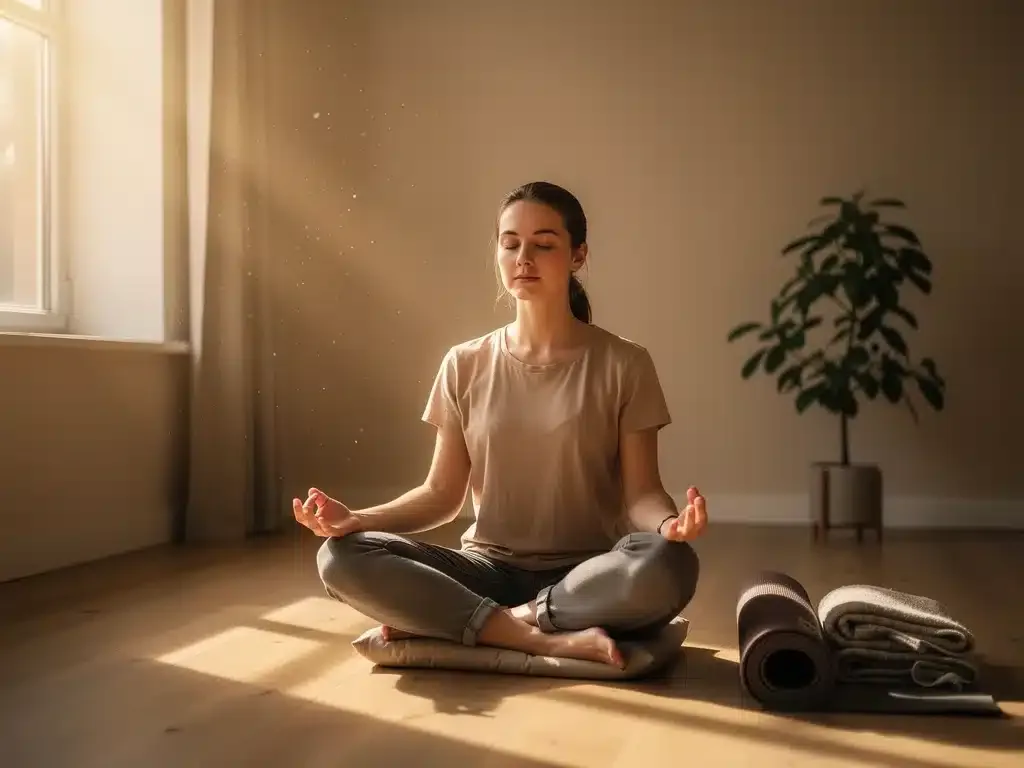
Mindful movement is not merely about physical exercise; it’s a profound practice that redefines how individuals interact with their bodies. By focusing on sensations, breath, and the present moment, this technique helps to build a stronger, more appreciative connection to one’s physical self, moving away from performance-driven goals.
This approach emphasizes listening to the body’s signals, understanding its capabilities, and respecting its limitations, rather than pushing it to conform to external ideals. It encourages activities that bring joy and a sense of well-being, fostering a positive internal dialogue about one’s physical form.
Regular engagement in mindful movement can significantly reduce self-critical thoughts and enhance feelings of gratitude for what the body can do. It transforms exercise from a chore into a celebration of one’s physical existence, directly contributing to robust body confidence techniques.
The Power of Intentional Exercise
Intentional exercise involves choosing physical activities that resonate with personal values and bring genuine satisfaction. This contrasts with routines driven by societal expectations or a desire for aesthetic changes, which often lead to frustration and decreased self-esteem.
By selecting activities like yoga, dancing, walking in nature, or martial arts, individuals can experience movement as a source of strength, grace, and inner peace. This shift in perspective is crucial for developing a sustainable and positive relationship with physical activity, ultimately bolstering body confidence.
- Focus on how movement feels, not just how it looks.
- Choose activities that genuinely bring you joy and a sense of accomplishment.
- Practice gratitude for your body’s capabilities during and after exercise.
Connecting Mind and Body Through Breath
Deep, conscious breathing practices, often integrated into mindful movement, serve as a powerful tool for grounding oneself and reducing anxiety. This connection between breath and body awareness can help individuals stay present and less susceptible to negative self-talk.
When individuals consciously engage their breath, they activate the parasympathetic nervous system, promoting relaxation and a sense of calm. This physiological response helps to alleviate stress and fosters a more peaceful internal environment, which is conducive to building strong body confidence techniques.
Incorporating breathwork into daily routines, even for short periods, can create a sanctuary of self-acceptance and appreciation. It provides a reliable method to reconnect with the body in a nurturing way, promoting emotional regulation and a deeper sense of self-worth.
Cultivating Media Literacy: Deconstructing Idealized Images
In an age saturated with digital media, cultivating strong media literacy is an indispensable tool for building unshakeable body confidence. This technique involves critically analyzing and deconstructing the often unrealistic and heavily curated images presented across various platforms, recognizing their impact on self-perception.
Understanding that many media portrayals are digitally altered or represent a narrow, often unattainable ideal is the first step in disarming their negative influence. This awareness helps individuals to differentiate between reality and manufactured perfection, reducing comparison and self-criticism.
By actively questioning the narratives and visuals encountered online and in traditional media, individuals can reclaim their power and build resilience against external pressures. This critical engagement is a vital component of modern body confidence techniques, promoting a healthier relationship with one’s own appearance.
Recognizing Digital Manipulation
Digital manipulation is pervasive in advertising, social media, and entertainment, creating an illusion of flawlessness that is rarely achievable in real life. Learning to identify these alterations, such as airbrushing, filters, and strategic posing, is crucial.
This recognition allows individuals to view media with a more discerning eye, understanding that what they see is often not an accurate representation of reality. This critical perspective helps to counteract the unconscious internalization of unrealistic beauty standards, fostering a more grounded sense of self-acceptance.
- Actively seek out resources that expose media manipulation techniques.
- Follow diverse content creators who promote body diversity and authenticity.
- Remind yourself that images are often curated and not fully representative of reality.
Curating Your Digital Environment
Beyond deconstruction, actively curating one’s digital environment plays a significant role in nurturing body confidence. This involves unfollowing accounts that trigger negative self-comparison and seeking out content that is uplifting, inclusive, and promotes positive body image.
Surrounding oneself with diverse representations of bodies and voices that advocate for self-acceptance can transform the digital space into a source of inspiration rather than insecurity. This intentional curation reinforces a positive internal narrative, making it easier to embrace one’s unique physical form.
By consciously choosing what to consume, individuals can create a digital ecosystem that supports their journey towards unshakeable body confidence. This proactive approach is a powerful element among effective body confidence techniques for the modern era.
Practicing Self-Compassion and Inner Dialogue
Self-compassion is a cornerstone of robust body confidence, involving treating oneself with the same kindness, understanding, and acceptance one would offer a dear friend. This practice is particularly vital when faced with perceived imperfections or moments of self-criticism.
Developing a gentle and supportive inner dialogue replaces harsh judgments with empathetic understanding. It acknowledges that everyone experiences struggles and imperfections, fostering a sense of shared humanity rather than isolation in one’s insecurities.
Regularly engaging in self-compassionate practices, such as mindful self-talk or self-soothing gestures, can significantly alter one’s emotional landscape. This internal shift is fundamental to developing lasting body confidence techniques and a healthier self-relationship.
Challenging Negative Self-Talk
Negative self-talk often stems from ingrained beliefs and societal conditioning, acting as a significant barrier to body confidence. Actively challenging these critical internal voices is a powerful self-compassion practice.
When a negative thought arises, pausing to question its validity and origin can help to dismantle its power. Replacing these thoughts with affirmations of self-worth and acceptance creates a more supportive internal environment, fostering genuine self-esteem.
- Identify specific negative thoughts about your body.
- Question the evidence supporting these thoughts.
- Reframe negative statements into compassionate and realistic ones.
Mindful Self-Soothing Techniques
Mindful self-soothing involves consciously engaging in activities that bring comfort and peace, especially during moments of distress or self-doubt. These techniques can range from a warm bath to listening to calming music or engaging in a favorite hobby.
The intention behind self-soothing is to provide oneself with comfort and care, recognizing that these needs are valid and important. This practice reinforces the idea that one is worthy of kindness, regardless of physical appearance, which is a key aspect of building strong body confidence techniques.
By consistently nurturing oneself through these mindful actions, individuals can build a reservoir of inner strength and resilience. This cultivates a deep sense of self-acceptance that is not easily swayed by external opinions or fleeting insecurities.
Setting Realistic and Health-Oriented Goals
Shifting focus from purely aesthetic outcomes to health-oriented and realistic goals is a transformative step in building enduring body confidence. This approach prioritizes well-being, vitality, and functional strength over superficial appearance standards, leading to more sustainable and satisfying results.
When goals are centered around improving energy levels, enhancing physical capabilities, or managing stress, the journey becomes intrinsically rewarding. This internal motivation is far more powerful and lasting than external pressures to achieve a certain look.
By celebrating progress in areas like improved sleep, increased stamina, or better emotional regulation, individuals build a sense of accomplishment and appreciation for their bodies’ capacities. This holistic perspective is crucial for developing effective body confidence techniques that stand the test of time.

Focusing on Internal Metrics
Moving away from external appearance metrics, such as weight or clothing size, towards internal markers of health and well-being is vital. This includes tracking improvements in mood, energy, sleep quality, and overall physical comfort.
Celebrating these internal victories reinforces a positive feedback loop, where individuals feel good about their bodies because of how they feel and function, not just how they appear. This shift in focus empowers individuals to define health and beauty on their own terms.
- Prioritize how your body feels and performs over its aesthetic appearance.
- Celebrate non-scale victories like increased energy or better sleep.
- Engage in activities that make you feel strong and capable.
Sustainable Habits for Long-Term Well-being
The development of sustainable, health-promoting habits is more effective than short-term, restrictive diets or extreme exercise regimes. This involves integrating balanced nutrition, regular physical activity, and adequate rest into a lifestyle that supports overall health.
By adopting habits that are enjoyable and manageable, individuals can maintain consistency without feeling deprived or overwhelmed. This long-term approach to health fosters a deep sense of respect and care for the body, which is a fundamental aspect of cultivating strong body confidence techniques.
Consistency in these habits leads to tangible improvements in both physical and mental health, reinforcing a positive body image. It’s about creating a lifestyle that nourishes the body and mind, promoting a sustained sense of well-being and confidence.

Building a Supportive Social Network
The environment we inhabit, particularly our social circles, significantly influences our body image and self-esteem. Building a supportive social network, comprised of individuals who uplift, respect, and genuinely accept you, is a powerful technique for fostering unshakeable body confidence.
Surrounding oneself with people who celebrate diversity and promote positive self-talk can counteract negative societal messages. These relationships provide a safe space for vulnerability and affirmation, essential for navigating challenges to one’s body image.
Actively seeking out and nurturing relationships with those who embody empathy and non-judgment creates a powerful buffer against external criticism. This communal support is an often-underestimated yet vital component of effective body confidence techniques.
Seeking Positive Influences
Identifying and engaging with individuals who exude positivity, self-acceptance, and a healthy relationship with their own bodies can be incredibly inspiring. These positive influences can serve as role models, demonstrating what genuine body confidence looks like.
This involves both real-life connections and carefully chosen digital communities that align with values of body positivity and mutual respect. Such interactions provide encouragement and validation, reinforcing one’s own journey toward self-acceptance.
- Actively seek out friends and mentors who promote body positivity.
- Join online communities or groups focused on self-acceptance and well-being.
- Engage in conversations that celebrate diversity and healthy body image.
Limiting Exposure to Negative Spaces
Conversely, it’s crucial to identify and limit exposure to social environments, both online and offline, that promote body shaming, unrealistic ideals, or constant comparison. These negative spaces can erode self-esteem and undermine efforts to build body confidence.
This might involve setting boundaries with critical friends or family members, unfollowing certain social media accounts, or choosing not to participate in conversations that trigger insecurity. Protecting one’s mental and emotional space is a form of self-care directly linked to improving body image.
By consciously curating a social environment that is nurturing and empowering, individuals create a foundation for lasting body confidence techniques. This proactive approach ensures that external influences contribute positively to their internal sense of self-worth.
Integrating Professional Support for Lasting Change
For many, the journey to unshakeable body confidence can benefit immensely from professional guidance. Integrating support from therapists, counselors, or body image coaches offers specialized tools and perspectives to navigate complex emotional landscapes and ingrained patterns of thought.
These professionals provide a safe, confidential space to explore the roots of body dissatisfaction, develop coping mechanisms, and implement personalized strategies. Their expertise can be particularly valuable in addressing issues like disordered eating, body dysmorphia, or chronic low self-esteem, which are often intertwined with body image concerns.
Seeking professional help is a proactive and empowering step toward achieving sustainable body confidence, offering tailored body confidence techniques and accountability. It underscores a commitment to one’s mental and emotional health, recognizing that true self-acceptance is a holistic endeavor.
Therapeutic Approaches to Body Image
Various therapeutic modalities, such as Cognitive Behavioral Therapy (CBT) and Acceptance and Commitment Therapy (ACT), are highly effective in addressing negative body image. These approaches help individuals identify and challenge distorted thoughts and behaviors related to their appearance.
Therapy can provide strategies for reframing self-critical beliefs, developing self-compassion, and building resilience against societal pressures. It focuses on creating a healthier relationship with one’s body by fostering psychological flexibility and mindfulness.
- Explore therapeutic options like CBT or ACT for body image concerns.
- Work with a therapist to identify and challenge negative thought patterns.
- Develop personalized coping strategies for moments of self-doubt.
Coaching for Empowerment and Goal Setting
Body image coaches offer practical, goal-oriented support, helping individuals translate insights into actionable steps. They focus on empowerment, guiding clients to set and achieve personal milestones that contribute to a positive body image and overall well-being.
Coaching can involve developing customized routines for mindful movement, enhancing media literacy skills, and building a supportive social network. It emphasizes accountability and progress, ensuring that individuals stay on track with their journey toward robust body confidence techniques.
By providing structured guidance and encouragement, coaches empower individuals to implement lasting changes in their daily lives. This professional partnership accelerates the process of building unshakeable body confidence, offering both practical tools and unwavering support.
| Key Technique | Brief Description |
|---|---|
| Mindful Movement | Connects mind and body through intentional, joyful physical activity. |
| Media Literacy | Critically analyzes and curates media consumption to counter unrealistic ideals. |
| Self-Compassion | Fosters kind inner dialogue and treats oneself with understanding. |
| Supportive Network | Surrounds oneself with affirming relationships and limits negative influences. |
Frequently Asked Questions About Body Confidence
What is the most crucial step to start building body confidence?▼The most crucial step is to shift your focus from external validation to internal acceptance. Begin by practicing mindful self-awareness and challenging negative self-talk. Recognizing that your worth extends beyond physical appearance is foundational for developing effective body confidence techniques.
How long does it take to build unshakeable body confidence?▼Building unshakeable body confidence is a continuous journey, not a destination, and its timeline varies for each individual. Consistent practice of body confidence techniques, patience, and self-compassion are key. Significant progress can often be observed within several months of dedicated effort and mindful application.
Can social media positively impact body confidence?▼Yes, social media can positively impact body confidence if curated intentionally. By following diverse creators who promote body positivity, authenticity, and self-acceptance, individuals can create an empowering digital environment. Unfollowing accounts that trigger negative comparisons is also a vital body confidence technique for a healthy feed.
Is professional help necessary for body confidence issues?▼While not always necessary, professional help from therapists or coaches can be incredibly beneficial for body confidence issues, especially when dealing with deep-seated insecurities or disordered patterns. They offer tailored strategies and support to navigate complex emotions, providing effective body confidence techniques for lasting change.
What role does mindful movement play in body confidence?▼Mindful movement plays a critical role by fostering a healthier connection between mind and body. It encourages appreciation for what your body can do, rather than solely focusing on appearance. This practice, a core body confidence technique, helps reduce self-criticism and builds a sense of gratitude for physical capabilities.
Looking Ahead: Sustaining Body Confidence in a Changing World
The journey toward unshakeable body confidence is an ongoing process, requiring continuous effort and adaptation. The actionable insights and body confidence techniques discussed provide a robust framework, but vigilance remains crucial in an evolving media landscape and societal norms. Sustaining these practices will ensure long-term well-being.
As 2026 unfolds, new challenges and opportunities will emerge that impact self-perception. By consistently applying these expert-backed strategies, individuals can build resilience and maintain a positive relationship with their bodies, regardless of external pressures or fleeting trends.
FaceViby.com encourages readers to integrate these methods into their daily lives, fostering a future where personal acceptance and a healthy body image are the norm. The commitment to these body confidence techniques is an investment in a more fulfilling and empowered existence.