Beyond Size 14: 2026 US Sizing Transparency Standards Explained
Advertisements
Navigating inconsistent garment measurements and misleading fit labels across apparel brands is finally coming to an end. New federal guidelines enforcing US Sizing Transparency are transforming the retail industry by mandating standardized dimensions for extended-size collections across American fashion retailers.
Garment manufacturers must now provide precise dimensional specifications and clear body measurement benchmarks rather than relying on arbitrary label numbers. These updated consumer protection rules eliminate guesswork during online shopping, reduce costly return rates, and ensure true fit consistency across inclusive fashion lines.
Understanding these updated retail compliance mandates empowers extended-size shoppers to make confident wardrobe purchases across every major brand. Here is a breakdown of how the 2026 apparel standards work and what they mean for your next shopping trip.
The Genesis of 2026 US Sizing Transparency Standards
The push for standardized sizing, particularly in the plus-size category, stems from decades of consumer frustration. Inconsistent measurements across brands have long plagued shoppers, leading to widespread dissatisfaction and a lack of trust in sizing labels. This historical context underscores the urgent need for comprehensive reform.
Initial discussions around formalizing US sizing transparency began years ago, but coalesced into concrete proposals as consumer advocacy intensified. Industry stakeholders, including major retailers and manufacturers, have been involved in drafting these new guidelines. The collaborative effort aims to create a framework that is both practical for businesses and beneficial for consumers.
The 2026 deadline is not arbitrary; it provides a crucial window for brands to adapt their manufacturing processes, update their sizing charts, and retrain their staff.
This preparation period is essential for a smooth transition, ensuring that the new US sizing transparency standards are effectively integrated across the entire supply chain. The goal is to avoid market disruptions while achieving significant positive change.
Defining the New Sizing Metrics and Guidelines
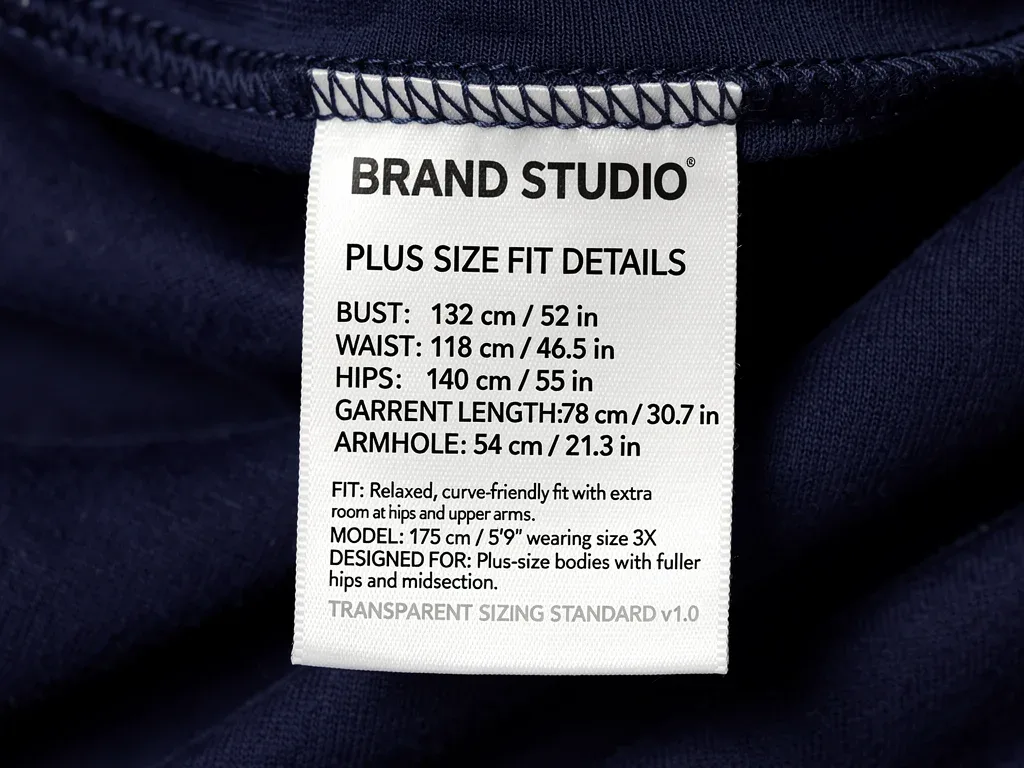
The core of the 2026 US sizing transparency standards lies in establishing clear, quantifiable metrics for garment production. This involves moving beyond vanity sizing and towards a system based on actual body measurements. The new guidelines will offer specific parameters for key body areas, ensuring greater consistency.
These new metrics are not just about numbers; they also encompass standardized fit descriptions and detailed guidance for brands on how to communicate sizing effectively.
The aim is to empower consumers with precise information, allowing them to make informed purchasing decisions without the guesswork that currently dominates plus-size shopping. This clarity is a cornerstone of the new US sizing transparency initiative.
According to preliminary reports, the standards will recommend a universal measurement system that brands can adopt, reducing variations between different labels.
This includes guidelines for hip, waist, and bust measurements, as well as considerations for garment ease and drape. The comprehensive nature of these guidelines is designed to address the multifaceted challenges of plus-size garment fitting.
Impact on Plus-Size Fashion Brands and Retailers
For plus-size fashion brands, the 2026 US sizing transparency standards represent both a challenge and an opportunity. Brands will need to invest in new pattern-making technologies and quality control processes to align with the updated guidelines. This transition period requires significant operational adjustments and a commitment to precision.
However, adherence to these standards can also be a significant competitive advantage. Brands that embrace US sizing transparency early and effectively will build greater trust and loyalty among their customer base. This shift can lead to reduced return rates, improved customer satisfaction, and a stronger market position in the rapidly growing plus-size sector.
Operational Changes for Manufacturers
Manufacturers are tasked with recalibrating their production lines to meet the new uniform measurement specifications. This involves updating technical specifications for garments and ensuring that all products consistently adhere to the new standards. The investment in new equipment and training will be substantial but necessary for compliance.
Implementing updated pattern-making software and tools.
Retraining design and production teams on new measurement protocols.
Establishing rigorous quality control checks for size accuracy.
Beyond the technical aspects, brands must also refine their marketing and communication strategies. Clearly articulating how their sizing aligns with the new US sizing transparency standards will be crucial for consumer understanding and acceptance. Transparency in communication will be as important as transparency in measurements.
Marketing and Communication Adjustments
Brands will need to develop clear, concise sizing charts that are easily accessible to consumers, both online and in-store. This includes providing detailed body measurements corresponding to each garment size, along with guidance on how to take accurate self-measurements. Effective communication will bridge the gap between new standards and consumer understanding.
Developing comprehensive and user-friendly sizing guides.
Utilizing virtual try-on technologies and augmented reality for better fit visualization.
Educating sales associates on the new sizing system to assist customers.
Empowering Consumers: A New Era of Shopping Confidence
The most profound impact of the 2026 US sizing transparency standards will be on consumers, particularly those who wear plus sizes. For too long, these shoppers have faced inconsistent sizing, leading to frustration, uncertainty, and a diminished shopping experience. The new standards promise to alleviate many of these long-standing issues.
With standardized measurements and clearer garment descriptions, consumers will be able to shop with greater confidence, both online and in brick-and-mortar stores. This newfound reliability means less guesswork, fewer returns, and a more positive relationship with fashion. The era of arbitrary sizing is steadily coming to an end, ushering in an age of consumer empowerment through US sizing transparency.
According to recent surveys, a significant percentage of plus-size shoppers express dissatisfaction with current sizing practices. This widespread sentiment highlights the critical need for the upcoming changes. The 2026 standards are not merely a regulatory update; they represent a fundamental shift towards acknowledging and addressing the needs of a diverse consumer base.
The Role of Technology in Achieving Sizing Transparency
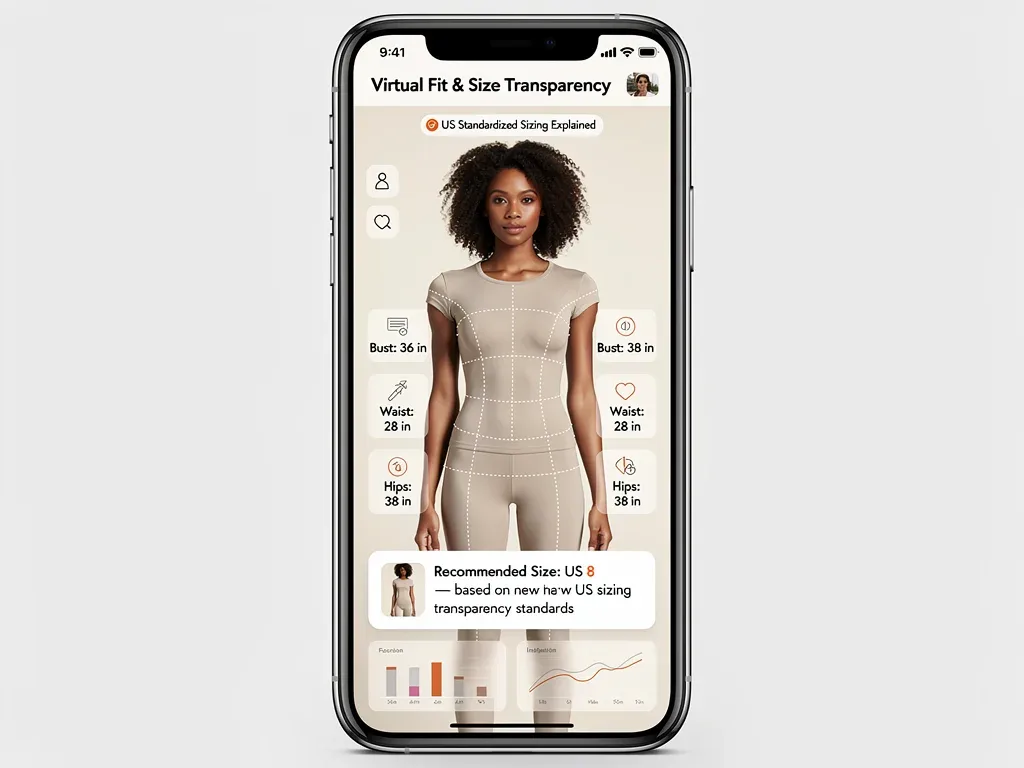
Technology is set to play a pivotal role in the successful implementation of the 2026 US sizing transparency standards. Innovations in body scanning, virtual try-on, and AI-driven recommendations will help brands accurately measure and communicate fit. These tools will bridge the gap between standardized measurements and individual body shapes.
Body scanning technology, for instance, can provide precise individual measurements, allowing consumers to compare their own dimensions against standardized garment specifications.
This level of personalization, combined with the new US sizing transparency guidelines, will revolutionize how people find clothes that fit perfectly. The integration of such technologies will be crucial for both online and in-store experiences.
Innovations in Fit Technology
Virtual try-on platforms allow customers to visualize how garments will look and fit on their own bodies, reducing the need for physical returns. These technologies leverage advanced algorithms to simulate fabric drape and fit based on detailed body metrics. This technological advancement directly supports the goals of US sizing transparency.
Implementing 3D body scanning kiosks in stores for accurate measurements.
Integrating virtual try-on features into e-commerce platforms.
Utilizing AI to recommend personalized sizes based on past purchases and body data.
Furthermore, data analytics will enable brands to refine their sizing models continuously. By analyzing customer feedback and return data, companies can identify areas for improvement and ensure ongoing compliance with the US sizing transparency standards. This iterative process will ensure the long-term effectiveness of the new guidelines.
Data-Driven Sizing Optimization
Collecting and analyzing customer data related to fit preferences and return reasons will provide invaluable insights for brands. This data can inform future design and production decisions, ensuring that garments consistently meet consumer expectations for fit and comfort. The continuous improvement cycle is vital for maintaining high standards of US sizing transparency.
Analyzing return data to identify common sizing issues and adjust patterns.
Leveraging customer feedback to refine fit descriptions and size charts.
Using predictive analytics to anticipate future sizing trends and consumer needs.
Beyond Size 14: Fostering Body Positivity and Inclusivity
The 2026 US sizing transparency standards extend far beyond mere measurements; they are a powerful catalyst for promoting body positivity and inclusivity within the fashion industry. By creating a more consistent and reliable sizing system, the standards validate the diverse body shapes of all consumers, particularly those in the plus-size category. This shift reduces the stigma often associated with clothing sizes.
When consumers can easily find clothing that fits well and accurately, it significantly boosts their self-esteem and confidence. The frustration of ill-fitting clothes can negatively impact one's body image, but the new US sizing transparency aims to alleviate this. It signals a broader industry commitment to celebrating all body types, moving away from restrictive beauty ideals.
This initiative aligns perfectly with the growing global movement for body positivity, which advocates for acceptance and appreciation of all body sizes and shapes. The fashion industry, historically a contributor to narrow beauty standards, is now taking concrete steps to become a more inclusive and welcoming space for everyone. The implementation of US sizing transparency is a crucial step in this ongoing evolution.
Challenges and Anticipated Resistance to Change
While the benefits of the 2026 US sizing transparency standards are clear, their implementation is not without challenges. Some brands, particularly smaller businesses, may face significant financial and logistical hurdles in adapting their operations. The cost of retooling production lines and updating inventory systems can be substantial, requiring careful planning and resource allocation.
There may also be resistance from brands accustomed to current sizing practices, especially those that have historically used vanity sizing to appeal to consumers.
Shifting away from these established norms requires a change in mindset and a willingness to embrace a more objective approach to sizing. Overcoming this inertia will be key to the widespread adoption of US sizing transparency.
Consumer education will also be a critical challenge. While the new standards aim for clarity, shoppers will need time to understand and trust the new system.
Effective communication campaigns will be necessary to guide consumers through this transition and highlight the advantages of the new US sizing transparency framework. Without clear communication, confusion could undermine the positive intent of the changes.
Looking Ahead: The Future of Plus-Size Fashion Beyond 2026
The 2026 US sizing transparency standards are just the beginning of a larger transformation in the fashion industry. Beyond the initial implementation, these standards are expected to foster continuous innovation in garment design, manufacturing, and retail. Brands will likely explore even more personalized sizing solutions, further enhancing the customer experience.
The long-term vision includes a fashion landscape where sizing is no longer a barrier but an enabler of self-expression for all body types. This future will see a more diverse range of styles and fits available across all sizes, driven by the foundational principles of US sizing transparency. The industry is moving towards a truly inclusive model, where every individual can find clothing that makes them feel confident and comfortable.
Furthermore, the success of these standards in the United States could inspire similar initiatives globally. As consumer demand for accurate and transparent sizing grows worldwide, the US model may serve as a blueprint for other regions to adopt. This ripple effect could lead to a global paradigm shift in how fashion approaches sizing, making US sizing transparency a global benchmark.
Key Aspect | Description |
|---|---|
Standardization | Uniform metrics for garment sizing across brands. |
Consumer Empowerment | Increased confidence and reduced guesswork in shopping. |
Brand Adaptation | Operational and marketing adjustments for compliance. |
Technological Integration | Use of AI and body scanning for improved fit. |
Frequently Asked Questions About Sizing Transparency
What are the 2026 US Sizing Transparency Standards?▼
These are new guidelines set to be implemented by 2026, aiming to standardize garment measurements and provide clearer fit information across the US fashion industry, particularly for plus-size clothing. The goal is to reduce sizing inconsistencies and enhance consumer confidence.
How will these standards benefit plus-size consumers?▼
Plus-size consumers will experience greater consistency in sizing across different brands, reducing frustration and the need for frequent returns. They will have access to more accurate body measurement data, enabling more informed purchasing decisions and fostering a more positive shopping experience.
What challenges do brands face with these new standards?▼
Brands must invest in new pattern-making technologies, update quality control processes, and potentially retool production lines. They also need to adjust marketing strategies to clearly communicate the new sizing, which can be a significant operational and financial undertaking.
Will technology play a role in implementing US sizing transparency?▼
Yes, technology is crucial. Body scanning, virtual try-on tools, and AI-driven recommendations will help brands accurately measure and communicate fit. These innovations will also empower consumers to find their correct size with greater precision, both online and in physical stores.
How do these standards promote body positivity?▼
By providing consistent and accurate sizing, the standards validate diverse body shapes and reduce the stigma associated with clothing sizes. This fosters a more inclusive fashion environment where all consumers can find well-fitting clothing, boosting self-esteem and promoting a positive body image.
Looking Ahead
The 2026 US sizing transparency standards mark a significant turning point for the fashion industry, particularly for plus-size consumers. The shift towards standardized, clear measurements promises a more equitable and satisfying shopping experience.
Brands that proactively embrace these changes are poised to gain consumer trust and loyalty. The coming years will reveal the full impact of these reforms, setting a new benchmark for inclusivity and accuracy in fashion, potentially influencing global sizing practices.