Contouring and Highlighting Mastery: 2026 Techniques
Advertisements
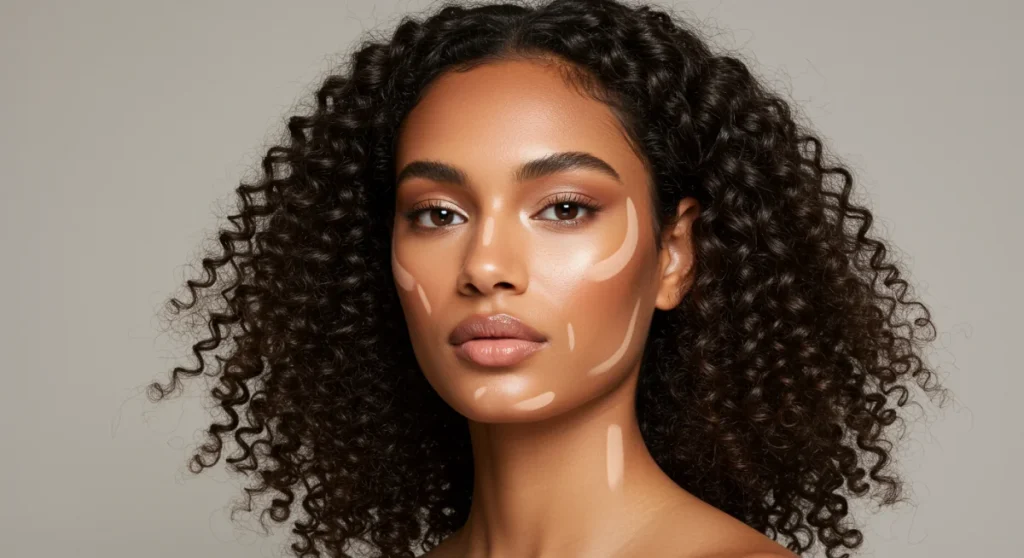
Mastering contouring and highlighting techniques in 2026 involves understanding advanced product formulations and strategic application to enhance facial features with natural-looking definition and radiance.
Are you ready to transform your makeup routine and achieve a more defined, sculpted look? The art of contouring and highlighting mastery: updated techniques for 2026 to define your features by 15% has evolved, moving beyond heavy, theatrical applications to embrace a more refined, natural enhancement. This guide will walk you through the latest trends, product innovations, and expert-approved methods to help you achieve that coveted, perfectly sculpted appearance.
Advertisements
The Evolution of Face Sculpting: Beyond the Basics
The landscape of contouring and highlighting has undergone a significant transformation. What once involved stark lines and heavy creams has now shifted towards a more nuanced approach, focusing on enhancing natural bone structure rather than creating entirely new ones. This evolution is driven by consumer demand for more natural, skin-like finishes and the advent of sophisticated product formulations.
In 2026, the emphasis is on subtlety and seamless blending. The goal is to create an illusion of depth and light that is virtually undetectable to the naked eye, allowing your natural beauty to shine through with added dimension. This requires a deeper understanding of facial anatomy and the interplay of light and shadow, moving beyond a one-size-fits-all approach.
Understanding Your Face Shape for Optimal Results
Before diving into product application, it’s crucial to identify your unique face shape. This foundational step dictates where to strategically place your contour and highlight for the most flattering outcome. Different face shapes benefit from varied techniques to achieve balance and symmetry.
- Round Faces: Focus contour along the temples, under the cheekbones, and along the jawline to create angles.
- Square Faces: Soften sharp angles by contouring the jawline and temples, while highlighting the center of the forehead and chin.
- Oval Faces: This balanced shape often requires minimal contouring, focusing on enhancing existing features with subtle definition under the cheekbones.
- Heart-Shaped Faces: Contour the temples and under the cheekbones, bringing light to the chin to balance the wider forehead.
By understanding these basic principles, you can customize your approach, ensuring that your contouring and highlighting efforts complement your individual features rather than overpowering them. This personalized strategy is key to achieving a truly masterful look in 2026.
Innovative Product Formulations for 2026
The beauty industry is constantly innovating, and 2026 brings an exciting array of new contour and highlight products designed for superior performance and a natural finish. Gone are the days of limited shade ranges and difficult-to-blend formulas. Today’s offerings cater to diverse skin tones and preferences, making it easier than ever to achieve professional-level results at home.
The focus has shifted towards lightweight, buildable formulas that melt into the skin, providing a second-skin feel. These advancements allow for greater control and a more forgiving application, ideal for both beginners and seasoned makeup enthusiasts. The integration of skincare benefits into makeup products is also a growing trend, offering hydration, sun protection, and anti-aging properties alongside cosmetic enhancement.
Next-Generation Cream and Liquid Contours
Cream and liquid formulas continue to dominate the market, favored for their natural finish and blendability. In 2026, these products are even more refined, often infused with nourishing ingredients that promote skin health. They are perfect for creating a soft, diffused shadow that mimics natural bone structure.
- Hydrating Serums: Many liquid contours now come as serums, offering a sheer wash of color that’s incredibly easy to blend and provides a dewy finish.
- Stick Formulations: Convenient and precise, new stick contours boast creamy textures that glide effortlessly onto the skin without disturbing foundation.
- Multi-use Products: Some innovative formulas serve as both contour and eyeshadow, streamlining your routine and reducing product clutter.
These formulations are designed to be applied with fingers, brushes, or sponges, offering versatility in application methods. The key is to work quickly, as many modern formulas set to a long-wearing finish, ensuring your sculpted look lasts all day.
Mastering Application Techniques: Precision and Blending
Achieving a flawless contoured and highlighted look is less about the amount of product you use and more about the precision of your application and the thoroughness of your blending. The goal for 2026 is to create an effect that looks like natural shadows and light hitting your face, not like makeup sitting on top of your skin. This requires a delicate touch and an understanding of where to place products for maximum impact.
One of the most common mistakes in contouring is applying the product too low on the cheekbones, which can drag the face down. Instead, aim for the hollows of your cheeks, starting from your ear and stopping about two-thirds of the way to the corner of your mouth. For highlighting, focus on the highest points of your face where light naturally hits, such as the tops of your cheekbones, brow bone, and cupid’s bow.
The Art of Seamless Blending
Blending is arguably the most critical step in achieving a natural-looking contour and highlight. Harsh lines are the enemy of a refined finish. Invest in quality tools, whether it’s a dense brush for contour or a fluffy brush for highlighter, and dedicate time to seamlessly diffuse the product into your skin.
- Damp Beauty Sponge: Excellent for blending cream and liquid products, providing a soft, airbrushed finish.
- Stippling Brush: Ideal for applying and blending liquid or cream contour, creating a diffused effect.
- Fan Brush: Perfect for a sheer application of powder highlight, ensuring a subtle glow.
Remember to blend upwards and outwards for contour, lifting the face, and to tap or gently sweep highlight onto the high points. The key is to blend until there are no visible lines, just a smooth transition of color and light. This meticulous approach ensures your features are defined by 15% without looking overdone.
Strategic Contouring for Specific Features
While general contouring principles apply to all face shapes, tailoring your technique to specific features can elevate your look. In 2026, personalized feature enhancement is paramount, allowing individuals to address their unique concerns and highlight their most loved attributes. This targeted approach ensures that every aspect of your face contributes to a harmonious and balanced appearance.
Whether you aim to slim your nose, define your jawline, or enhance your lips, there are precise contouring and highlighting methods to achieve your desired effect. The beauty of these updated techniques lies in their ability to offer subtle yet impactful changes, creating an illusion of perfection without heavy makeup.
Defining Your Nose and Jawline
A well-contoured nose can appear slimmer and more refined, while a sculpted jawline adds structure and elegance to the face. These areas are often focal points in modern contouring, offering significant impact with minimal product.
For the nose, apply a thin line of contour shade down each side of the bridge, blending outwards into the brow area. Then, apply a small amount of highlight down the center of the nose, from the bridge to the tip. This creates the illusion of a narrower bridge. For the jawline, apply contour directly under the jawbone, blending down into the neck to avoid a harsh line. This technique creates a shadow that makes the jawline appear sharper and more defined.
The Power of Highlighting: Beyond the Glow
Highlighting in 2026 is about more than just a blinding glow; it’s about strategically attracting light to specific areas of the face to create dimension, lift, and a youthful radiance. The trend has moved towards sophisticated, multi-dimensional highlighters that mimic the natural luminosity of healthy skin, rather than an artificial shimmer. This nuanced approach ensures that your highlight enhances your features subtly yet effectively.
The placement of your highlighter is just as important as the product itself. Applying it to the highest points of your face—where light naturally hits—will create a lifting effect and draw attention to your best features. This includes the tops of your cheekbones, the brow bone, the inner corners of your eyes, and the cupid’s bow.
Choosing the Right Highlighter for Your Skin Tone
The perfect highlighter disappears into your skin, leaving behind only a luminous sheen. Choosing the right shade and finish is crucial for achieving this effect. In 2026, brands offer an extensive range of highlighters to complement every skin tone and undertone.
- For Fair Skin: Opt for highlighters with a pearlescent or champagne tone. These shades provide a soft, ethereal glow without looking too stark.
- For Medium Skin: Golden or peach-toned highlighters work beautifully, adding warmth and a sun-kissed radiance.
- For Deep Skin: Bronze or copper highlighters enhance richness and provide a stunning, luminous finish.
Consider the finish as well: a subtle, finely milled powder offers a diffused glow, while liquid or cream highlighters provide a more intense, dewy luminosity. Layering different textures can also create a multi-dimensional effect, taking your highlight game to the next level.
Advanced Techniques and Common Pitfalls to Avoid
As you delve deeper into contouring and highlighting, exploring advanced techniques can unlock new levels of facial definition. However, with advanced methods come potential pitfalls that can detract from your desired look. Understanding these intricacies is key to mastering the art and ensuring your makeup remains flawless and natural-looking.
One advanced technique gaining popularity is ‘underpainting,’ where contour and highlight are applied before foundation. This method creates a more diffused, natural effect, as the foundation acts as a veil, softening the edges of the contour and highlight. It’s particularly effective for those seeking a ‘no-makeup makeup’ look with subtle definition.
Avoiding the Muddy or Overdone Look
The most common errors in contouring and highlighting often stem from using too much product or neglecting proper blending. An overzealous application can lead to a muddy appearance, making features look flat rather than sculpted.
- Start Small: Always begin with a minimal amount of product and build up gradually. It’s easier to add more than to take away.
- Check in Different Lighting: Makeup can look different under various light sources. Always check your work in natural light to ensure seamless blending.
- Choose the Right Shades: Contours should be cool-toned to mimic natural shadows, while highlighters should complement your skin tone without being overly glittery.
Another pitfall is using a contour shade that is too warm or orange, which can look unnatural. A true contour shade should be cool-toned, creating the illusion of a shadow. By being mindful of these common mistakes, you can refine your technique and achieve a sophisticated, defined look every time.
Maintaining Your Sculpted Look All Day Long
Once you’ve perfected your contour and highlight, the next challenge is ensuring it withstands the rigors of your day. Longevity is key to maintaining that defined, radiant look from morning to night. Fortunately, advancements in makeup technology offer several strategies to lock in your sculpted features, preventing smudging, fading, and creasing.
The foundation of long-lasting makeup begins with proper skin preparation. A well-hydrated and primed canvas will not only make product application smoother but also help your makeup adhere better and last longer. Skipping these crucial steps can lead to your contour and highlight fading prematurely, especially in humid conditions or during extended wear.
Setting Sprays and Powders for Extended Wear
Setting your makeup is a non-negotiable step for extended wear. The right combination of setting powders and sprays can significantly increase the durability of your contour and highlight, keeping your features defined and luminous throughout the day.
- Translucent Setting Powder: Lightly dust over contoured areas to lock in cream products and prevent transfer. Avoid heavy application, which can dull your highlight.
- Targeted Powder Highlighters: Layering a powder highlighter over a cream one can intensify the glow and improve staying power.
- Setting Spray: A good setting spray acts as a final seal, melting powders into the skin for a natural finish and extending overall makeup longevity. Look for formulas that offer oil control or hydrating benefits depending on your skin type.
For oily skin types, consider using a mattifying primer in areas where you tend to get shiny, and reapply a light dusting of translucent powder as needed throughout the day. For drier skin, a hydrating setting spray can refresh your look and prevent any cakiness. By incorporating these steps, your meticulously sculpted features will remain sharp and radiant, defining your features by 15% and beyond.
| Key Technique | Brief Description |
|---|---|
| Face Shape Analysis | Identify your unique face structure to customize contour and highlight placement for optimal enhancement. |
| Innovative Formulas | Utilize 2026’s new lightweight, blendable cream and liquid products for a natural, skin-like finish. |
| Seamless Blending | Employ quality tools and techniques to diffuse product edges, ensuring a smooth, undetectable transition. |
| Long-Lasting Finish | Incorporate setting powders and sprays to extend wear and maintain your sculpted look throughout the day. |
Frequently Asked Questions About Contouring and Highlighting
Contouring involves using a matte, cool-toned product to create shadows, receding certain facial features. Highlighting uses a shimmery or lighter product to bring forward and emphasize areas where light naturally hits, creating dimension and radiance. They work together to sculpt the face.
Select a contour shade that is two to three shades darker than your natural skin tone and has a cool, grayish undertone. This mimics natural shadows effectively. Avoid warm or orange-toned bronzers, as these can make your contour look unnatural and muddy.
While both add definition, bronzer typically has a warmer, often shimmery, tone designed to give a sun-kissed glow. Contouring products are matte and cool-toned, specifically formulated to create shadows and sculpt features. Using bronzer for contouring might result in an unnatural, orange cast.
For cream products, a damp beauty sponge or a dense stippling brush works wonders. Sponges provide a seamless, airbrushed finish, while brushes offer more control for precise blending. Your fingers can also be effective for a natural, diffused look, especially with liquid formulas.
The beauty industry evolves rapidly, so staying updated every 1-2 years is beneficial. New product formulations and application methods can significantly improve results. However, foundational techniques remain timeless; adapting them to current trends is key to continuous mastery.
Conclusion
The journey to contouring and highlighting mastery: updated techniques for 2026 to define your features by 15% is an exciting one, blending artistic skill with scientific understanding of light and shadow. As we’ve explored, the modern approach emphasizes subtlety, seamless blending, and personalized application, moving away from heavy, obvious makeup to a refined enhancement of your natural beauty. By embracing innovative product formulations, understanding your unique face shape, and practicing precise blending, you can effortlessly achieve a sculpted, radiant look that lasts all day. Remember, the goal is not to mask your features but to enhance them, allowing your inherent beauty to shine through with added dimension and allure.
