Achieve a Professional Base: 3 Crucial Steps for Foundation in 2026
Advertisements
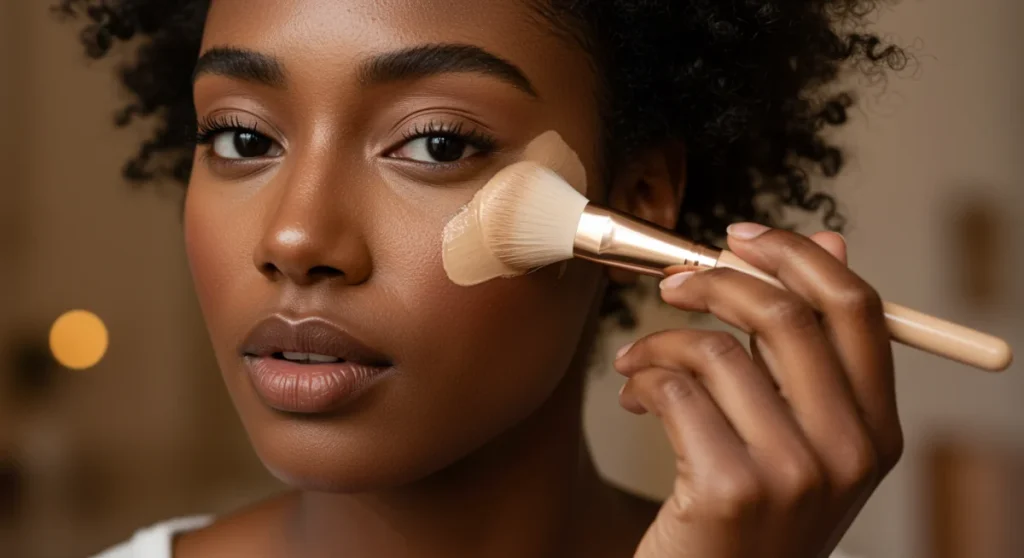
Achieving a professional foundation application in 2026 involves meticulous skin preparation, precise shade matching, and expert blending techniques to create a flawless and enduring base that enhances natural beauty.
Advertisements
In the ever-evolving world of beauty, mastering the art of a perfect complexion remains a cornerstone of any successful makeup look. For 2026, the emphasis is on achieving a truly professional base, one that looks natural, lasts all day, and enhances your skin’s inherent radiance. This guide will walk you through the Achieve a Professional Base: 3 Crucial Steps to Foundation Application in 2026, ensuring your foundation not only applies flawlessly but also supports healthier, happier skin for years to come. Get ready to transform your makeup routine with techniques that blend seamlessly with the latest innovations and timeless artistry.
Advertisements
Understanding Your Skin: The Ultimate Canvas Preparation
Before any product touches your face, understanding and preparing your skin is paramount. A professional foundation application isn’t just about the foundation itself; it’s about creating the perfect canvas. In 2026, skin prep goes beyond a quick cleanse and moisturize, embracing targeted treatments that address individual skin concerns and optimize product adherence and longevity.
Think of your skin as the foundation for your foundation. If the canvas isn’t smooth, hydrated, and balanced, even the most expensive products will struggle to perform. This initial step is often overlooked, yet it holds the key to a truly professional and long-lasting finish.
Cleansing and Toning for Optimal Purity
Starting with a clean slate is non-negotiable. Proper cleansing removes impurities, excess oil, and any residual makeup, preventing clogged pores and ensuring an even surface for product application. Toning then helps to balance the skin’s pH, minimize the appearance of pores, and prepare it to better absorb subsequent products.
- Gentle Cleanser: Opt for a sulfate-free cleanser suitable for your skin type to avoid stripping natural oils.
- Hydrating Toner: Look for toners with ingredients like hyaluronic acid or witch hazel for hydration and gentle pore refinement.
- Exfoliation (Weekly): Incorporate a mild chemical exfoliant once or twice a week to remove dead skin cells and promote cell turnover, revealing smoother skin.
Strategic Hydration and Priming
Hydration is key to a supple, plump complexion that foundation can glide over. In 2026, the focus is on multi-layered hydration, followed by targeted priming to address specific texture and longevity needs. This step creates a protective barrier and ensures your foundation wears beautifully throughout the day.
- Serum Application: Apply a hydrating serum (e.g., hyaluronic acid, niacinamide) to infuse moisture deep into the skin.
- Moisturizer: Follow with a moisturizer appropriate for your skin type to lock in hydration and create a smooth surface.
- Targeted Primer: Choose a primer based on your skin concerns: hydrating for dry skin, mattifying for oily skin, color-correcting for redness, or pore-filling for textured skin.
Concluding this crucial first step, remember that skin preparation is an investment in your final look. A well-prepped face not only makes foundation application easier but also enhances its finish, wear time, and overall appeal, setting the stage for a truly professional result.
Mastering Shade Matching and Formula Selection
The second crucial step in achieving a professional foundation application is undoubtedly mastering shade matching and selecting the correct formula. The best foundation in the world will look terrible if it doesn’t perfectly match your skin tone and undertone, or if its formula isn’t suited to your skin type and desired finish. In 2026, advancements in beauty tech and a deeper understanding of skin undertones make this step more precise than ever.
Gone are the days of guessing your shade under harsh store lighting. Modern approaches emphasize natural light assessment and understanding the nuances of your skin’s unique color profile. This attention to detail ensures your foundation disappears seamlessly into your skin, rather than sitting on top of it.
The Art of Accurate Shade Matching
Finding your perfect foundation shade involves more than just matching a color swatch to your wrist. It requires understanding your skin’s surface color and its underlying tones. A truly professional match will blend invisibly, making it seem like you’re not wearing foundation at all.
- Identify Your Undertone: Determine if your undertone is cool (pink, red, bluish), warm (yellow, golden, peachy), or neutral (a mix of both). Look at the veins on your wrist; blue/purple veins suggest cool, green veins suggest warm, and a mix suggests neutral.
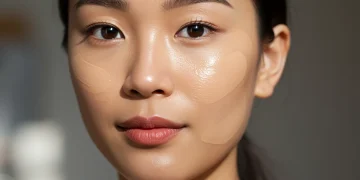
- Test on Your Jawline: Apply a small stripe of 2-3 potential shades along your jawline and allow them to dry. The shade that disappears into your skin, without leaving a noticeable line, is your match.
- Check in Natural Light: Always check your shade match in natural daylight. Store lighting can be deceptive and lead to incorrect choices.
- Consider Seasonal Changes: Your skin tone can change slightly with the seasons. It’s often beneficial to have two shades, one for summer and one for winter, or a shade mixer to adjust as needed.
Selecting the Ideal Foundation Formula
With an overwhelming array of foundation formulas available, choosing the right one for your skin type and desired coverage can be daunting. In 2026, brands offer highly specialized formulas designed to cater to every need, from ultra-hydrating to long-wear mattifying options. This choice significantly impacts the finish and longevity of your professional base.
- For Oily Skin: Opt for oil-free, mattifying liquid or powder foundations that control shine and offer good coverage without feeling heavy.
- For Dry Skin: Choose hydrating liquid or cream foundations with luminous or dewy finishes to add moisture and prevent flakiness.
- For Combination Skin: Look for balanced formulas that offer medium coverage and a natural finish, or consider strategically using different formulas on different areas of your face.
- For Mature Skin: Seek out foundations with anti-aging ingredients, a dewy finish, and a lightweight texture that won’t settle into fine lines.
- For Sensitive Skin: Select mineral-based or hypoallergenic formulas free from common irritants like fragrance and harsh chemicals.
In conclusion, mastering shade matching and formula selection is crucial for a professional finish. It ensures your foundation not only looks natural but also complements your skin’s health and specific needs, forming a seamless and beautiful second skin.
The Art of Flawless Application and Setting Techniques
The final and equally crucial step to achieve a professional base is the actual application and setting of your foundation. Even with perfect skin prep and the ideal shade, poor application can ruin the entire look. In 2026, the focus is on seamless blending, strategic layering, and setting techniques that ensure your foundation looks natural, lasts all day, and withstands environmental challenges.
This stage is where artistry meets technique. It’s about building coverage where needed, diffusing edges, and creating a harmonious finish that enhances your features without appearing mask-like. The right tools and methods are indispensable here.
Choosing Your Application Tool Wisely
The tool you use can significantly impact the finish of your foundation. Each offers a unique effect, allowing you to customize your coverage and blend. Experimentation is key to finding what works best for your chosen formula and desired outcome.
- Makeup Sponges: Ideal for a sheer to medium, natural finish. Damp sponges create a dewy look and press product into the skin for seamless integration.
- Foundation Brushes: Offer more control over coverage. Flat-top kabuki brushes provide a fuller coverage, while stippling brushes give a lighter, airbrushed effect.
- Fingertips: Best for very sheer formulas or when you want to warm up the product for easier blending. The warmth from your fingers helps the product melt into the skin.
Seamless Blending Techniques
Blending is the cornerstone of a professional foundation application. No harsh lines or streaks should be visible. The goal is for your foundation to look like a natural extension of your skin, not a separate layer. This requires patience and precise movements.
Starting Point and Direction
Begin applying foundation in the center of your face (forehead, nose, chin), where most people tend to need the most coverage. From there, blend outwards towards the hairline and jawline. This technique ensures that the heaviest concentration of product is where it’s most needed, and it gradually thins out towards the edges of your face, preventing a harsh line.
Small Sections and Light Layers
Instead of applying a large amount of product all at once, work in small sections and build up coverage in light layers. This allows for better control, prevents caking, and helps achieve a more natural finish. Use gentle tapping or stippling motions with a sponge or brush, rather than dragging, to press the product into the skin.
Blending into Neck and Ears
One of the most common mistakes is stopping foundation application abruptly at the jawline. For a truly professional look, lightly blend any excess product down onto your neck and around your ears. This ensures there’s no visible demarcation line between your face and body, creating a cohesive and natural appearance.
Setting for Longevity and Finish
Once your foundation is perfectly blended, setting it is vital for extending its wear time and refining its finish. In 2026, setting techniques are refined to lock in your base without looking heavy or dull.
- Setting Powder: Use a finely milled translucent setting powder. Apply it sparingly, focusing on areas prone to shine (T-zone) with a fluffy brush or a damp sponge for a ‘baking’ effect. This locks in foundation and minimizes shine.
- Setting Spray: A setting spray helps to meld all your makeup layers together, taking away any powdery look and creating a more natural, skin-like finish. It also significantly boosts longevity. Choose a hydrating spray for dry skin or a mattifying one for oily skin.
In summary, flawless application and strategic setting are the final touches that elevate your foundation from good to professional. By using the right tools, blending meticulously, and securing your work, you ensure a base that is both beautiful and enduring.
Advanced Techniques for Targeted Coverage
Beyond the fundamental steps, achieving a truly professional base often involves advanced techniques for targeted coverage. In 2026, makeup artistry emphasizes a ‘less is more’ approach, focusing on strategically concealing imperfections rather than masking the entire face with heavy foundation. This creates a more natural, skin-like finish while still addressing specific concerns.
Understanding where and how to apply additional coverage can make a significant difference in the overall polished look. This section delves into precision concealing, color correction, and subtle contouring that enhances your natural bone structure.
Precision Concealing for Imperfections
Concealer is your secret weapon for perfecting your base without adding unnecessary layers of foundation. Applying it strategically can effectively hide blemishes, redness, and dark circles, allowing your natural skin to shine through elsewhere.
- Under-Eye Concealing: Choose a concealer one shade lighter than your foundation with a slightly peachy or salmon undertone to counteract blue/purple discoloration. Apply in a V-shape from the outer corner of your eye down to your nostril, then blend gently with a finger or small brush.
- Blemish Concealing: Select a full-coverage concealer that precisely matches your foundation shade. Apply a tiny dot directly onto the blemish, then gently tap the edges to blend it into the surrounding foundation. Set with a small amount of powder to prevent creasing.
- Redness/Discoloration: For localized redness, a green color corrector can neutralize it before foundation. For hyperpigmentation, an orange or peach corrector can work wonders. Apply sparingly before foundation, then layer your foundation and concealer over it.
Subtle Contouring and Highlighting
While not strictly part of foundation application, subtle contouring and highlighting are integral to achieving a professional, multidimensional base in 2026. These techniques enhance your facial structure, adding depth and radiance without looking overly sculpted.
Cream vs. Powder Formulas
Cream products, applied after foundation but before setting powder, offer a more natural, skin-like finish that blends seamlessly. Powder products, applied after setting powder, provide a more defined look and can help lock in cream products.
Strategic Placement for Definition
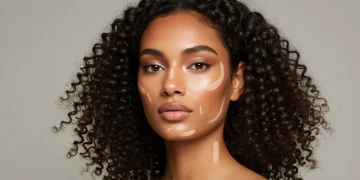
- Contour: Apply a cool-toned contour shade (2-3 shades darker than your skin) in the hollows of your cheeks, along your jawline, and on the temples. Blend upwards and outwards for a lifted effect.
- Highlight: Use a liquid or cream highlighter (for a dewy look) or a powder highlighter (for a more intense glow) on the high points of your face: cheekbones, brow bone, bridge of the nose, and cupid’s bow.
By incorporating these advanced techniques, you elevate your foundation application from simple coverage to refined artistry. This targeted approach ensures a flawless yet natural-looking base that truly enhances your individual beauty.
Adapting to Environmental Factors and Longevity
Achieving a professional foundation base isn’t just about initial application; it’s also about ensuring its longevity and resilience against various environmental factors throughout the day. In 2026, with busier lifestyles and diverse climates, understanding how to make your foundation withstand sweat, humidity, and general wear and tear is more important than ever. This requires strategic product choices and application methods designed for endurance.
No one wants their meticulously applied foundation to melt away or become patchy mid-day. By proactively addressing environmental challenges, you can maintain a fresh, flawless complexion from morning until night.
Combatting Humidity and Heat
High humidity and heat are notorious for breaking down makeup. To ensure your foundation stays put, certain adjustments in product choice and technique are necessary. The goal is to create a breathable yet resilient barrier.
- Oil-Free & Water-Resistant Formulas: Opt for foundations specifically labeled as oil-free, long-wear, or water-resistant. These formulas are designed to adhere better to the skin and resist breakdown from moisture.
- Minimal Product: Apply thinner layers of foundation. Heavy layers are more prone to creasing and melting in hot, humid conditions. Build coverage gradually only where needed.
- Powder Setting: Be more generous with translucent setting powder, especially in your T-zone. Consider ‘baking’ in areas prone to shine for extra oil control.
- Mattifying Setting Spray: Finish with a mattifying or long-wear setting spray designed to lock makeup in place and control shine throughout the day.
Addressing Dryness and Flakiness
Conversely, dry climates or dehydrated skin can cause foundation to cling to dry patches, look patchy, or emphasize texture. Preventing this requires a focus on intense hydration and specific application methods.
- Intensive Hydration: Prioritize your skin prep with hydrating serums, rich moisturizers, and even a hydrating facial mist before makeup application.
- Dewy/Hydrating Formulas: Choose foundations with a dewy or luminous finish that contain hydrating ingredients like hyaluronic acid or glycerin. Avoid matte formulas, which can exacerbate dryness.
- Damp Sponge Application: Apply foundation with a damp beauty sponge. This helps to press the product into the skin, avoiding streaking, and adds a touch of moisture, preventing it from clinging to dry areas.
- Hydrating Setting Spray: Instead of powder, consider a hydrating setting spray to lock in moisture and give a fresh, dewy look.
By adapting your choices and techniques to environmental factors, you can significantly enhance the longevity and performance of your professional foundation base, ensuring it looks impeccable, no matter the conditions.
Foundation Longevity and Touch-Up Strategies
Even the most professionally applied and set foundation may require minor touch-ups throughout a long day. In 2026, modern strategies focus on efficient, discreet touch-ups that refresh your base without disrupting the existing makeup. The goal is to maintain that pristine, professional look with minimal effort and product.
Understanding when and how to touch up can be the difference between a fading, patchy look and a continuously flawless complexion. It’s about being prepared and strategic, rather than simply piling on more product.
Identifying When to Touch Up
Knowing the signs that your foundation needs a refresh is the first step. Pay attention to areas that typically break down first, such as the T-zone, around the mouth, or under the eyes. These are often the first places where shine, creasing, or fading become apparent. Don’t wait until your entire base looks compromised.
- Excess Shine: Visible oiliness, especially on the forehead, nose, and chin.
- Fading or Patchiness: Areas where foundation has worn off, revealing bare skin.
- Creasing: Fine lines under the eyes or around the mouth becoming more pronounced with product settling.
Effective Touch-Up Tools and Products
Having the right tools and products on hand is essential for seamless touch-ups. These items are typically compact and easy to carry, allowing for discreet application wherever you are.
- Blotting Papers: Quickly absorb excess oil without disturbing makeup. Press gently onto shiny areas.
- Pressed Powder Compact: A compact powder (translucent or in your foundation shade) is perfect for reducing shine and adding a touch of coverage. Use a small puff or brush to apply.
- Mini Concealer: A small tube or stick concealer can spot-treat any areas where foundation has faded or blemishes have reappeared.
- Small Beauty Sponge/Brush: For blending out any creasing or reapplied product.
- Mini Setting Spray: A travel-sized setting spray can refresh your entire face and re-meld products for a revitalized look.
Strategic Touch-Up Application
The key to successful touch-ups is to apply product sparingly and blend meticulously, rather than layering heavily. This prevents a cakey or overdone appearance.
- Blot First: Always start by blotting away excess oil with blotting papers. This removes shine without adding more product.
- Powder Sparingly: If using powder, gently press it onto shiny areas. Avoid sweeping motions, which can displace existing makeup.
- Conceal Sparingly: If needed, apply a tiny amount of concealer to faded areas or blemishes, then gently tap to blend.
- Re-Blend: Use a clean finger, a small damp sponge, or a brush to gently tap and blend any areas that look patchy or have creased.
- Finish with Mist: A quick spritz of setting spray can refresh your entire look and help everything meld back together beautifully.
By incorporating these touch-up strategies, you can confidently maintain a professional and polished foundation base throughout your busiest days, ensuring your makeup always looks fresh and flawless.
The Future of Foundation: Trends for 2026 and Beyond
As we delve deeper into 2026, the landscape of foundation and base makeup continues to evolve, driven by technological advancements, environmental consciousness, and a growing demand for personalized beauty solutions. The future of foundation is exciting, promising products that are not only high-performing but also beneficial for the skin and aligned with ethical values.
These emerging trends will further refine how we Achieve a Professional Base: 3 Crucial Steps to Foundation Application in 2026, pushing boundaries in formulation, application, and overall user experience. Staying ahead of these trends will ensure your makeup routine remains cutting-edge and effective.
Skincare-Infused Foundations
One of the most significant trends for 2026 is the continued fusion of skincare and makeup. Foundations are no longer just about coverage; they are increasingly formulated with active skincare ingredients designed to improve skin health over time. This means your foundation isn’t just cosmetic, but also a treatment.
- Beneficial Ingredients: Expect to see foundations packed with hyaluronic acid for hydration, niacinamide for skin barrier support, SPF for sun protection, and antioxidants to combat environmental damage.
- Long-Term Benefits: These hybrid products aim to offer immediate cosmetic enhancement while also working to improve skin texture, tone, and overall health with consistent use.
Personalized and Custom Formulations
The era of one-size-fits-all beauty is fading. In 2026, personalization is key, with brands offering increasingly tailored foundation solutions. This ensures a perfect match and formula for every individual’s unique needs.
- AI-Powered Shade Matching: Advanced apps and in-store devices use AI to precisely scan skin and recommend or even custom-blend foundation shades and undertones.
- Modular Formulas: Some brands are introducing modular foundation systems where users can select their base formula, add boosters for specific concerns (e.g., extra hydration, oil control), and even customize their coverage level.
Sustainable and Ethical Beauty
Consumer demand for ethical and sustainable products is shaping the beauty industry significantly. Foundation brands in 2026 are responding with more eco-conscious practices and transparent sourcing.
- Refillable Packaging: A growing number of brands offer refillable foundation compacts and bottles, reducing plastic waste.
- Clean and Vegan Formulas: Emphasis on formulations free from parabens, phthalates, and other questionable ingredients, with a strong push towards 100% vegan and cruelty-free options.
- Ethical Sourcing: Greater transparency regarding the sourcing of ingredients and fair labor practices in manufacturing.
The future of foundation is bright, promising products that are smarter, more personalized, and more responsible. By embracing these trends, you not only achieve a professional base but also contribute to a more advanced and ethical beauty world.
| Key Step | Brief Description |
|---|---|
| Skin Preparation | Cleanse, tone, moisturize, and prime your skin to create a smooth, hydrated canvas for flawless application. |
| Shade & Formula Match | Accurately identify your undertone and skin type to select the perfect foundation shade and formula that blends seamlessly. |
| Application & Setting | Use appropriate tools and techniques for seamless blending, then set with powder and spray for longevity. |
| Advanced Techniques | Integrate precision concealing, subtle contouring, and highlighting for a truly perfected, multidimensional look. |
Frequently Asked Questions About Foundation Application
Skin preparation is crucial because it creates a smooth, hydrated, and balanced canvas. Proper cleansing, toning, and moisturizing ensure foundation applies evenly, adheres better, and lasts longer, preventing patchiness or caking. It’s the foundation for your foundation.
To choose correctly, identify your undertone (cool, warm, or neutral) by checking your wrist veins. Then, swatch 2-3 potential shades on your jawline and check in natural light. The shade that disappears into your skin without leaving a visible line is your perfect match.
The best tool depends on your desired finish and foundation formula. Damp beauty sponges offer a natural, dewy look, while dense foundation brushes provide more coverage. Fingertips are good for sheer formulas. Experimentation helps find your ideal tool for a seamless blend.
For longevity, especially in humidity, use oil-free, long-wear formulas. Apply thin layers and set meticulously with translucent powder in oily areas, followed by a mattifying setting spray. Proper skin prep, including a suitable primer, also significantly extends wear time.
Yes, skincare-infused foundations are increasingly beneficial. They combine cosmetic coverage with active ingredients like hyaluronic acid, niacinamide, and SPF. This means your foundation not only enhances your appearance but also actively works to improve your skin’s health, hydration, and protection throughout the day.
Conclusion
Mastering the art of foundation application is a journey that combines understanding your skin, selecting the right products, and honing your technique. By focusing on the three crucial steps outlined – meticulous skin preparation, precise shade matching and formula selection, and flawless application with strategic setting – you are well on your way to achieving a professional base in 2026 and beyond. Remember that beauty is ever-evolving, and staying informed about advanced techniques and emerging trends will keep your makeup game strong. Embrace these principles, and your foundation will not only look impeccable but also feel comfortable and contribute to your skin’s overall health and radiance.