Why Dermatologists Recommend Capping Sunday Chemical Exfoliation at 10% AHA for Barrier Repair in 2026
Advertisements
Could your favorite weekend skincare ritual actually be doing more harm than good? In 2026, dermatologists are urging skincare enthusiasts to cap their Sunday Chemical Exfoliation at a 10% AHA concentration to safeguard long-term skin health.
Overusing potent resurfacing acids often strips the epidermis, leading to chronic sensitivity, redness, and moisture loss. Shifting toward milder weekly acid treatments allows you to smooth texture gently without compromising your natural lipid shield.
Discover why experts are championing a barrier-first philosophy over aggressive resurfacing this year. Learn how adjusting your routine's potency can restore resilience and keep your complexion glowing safely.
The Evolving Landscape of Chemical Exfoliation Guidelines
The dermatological community has increasingly observed a trend of compromised skin barriers, often linked to the overuse of high-concentration chemical exfoliants. This has spurred a reevaluation of best practices, leading to the 2026 recommendation.
The consensus among experts highlights that while AHAs are beneficial for shedding dead skin cells and promoting cellular turnover, excessive strength or frequency can disrupt the delicate balance essential for a healthy skin barrier. This disruption can manifest as increased sensitivity, redness, and a weakened defense against environmental aggressors.
This new guidance is not about abandoning chemical exfoliation but rather refining its application to ensure sustained skin health. It underscores a preventative approach, aiming to maintain the skin’s integrity rather than repairing damage after it occurs.
Understanding the Skin Barrier and Its Importance
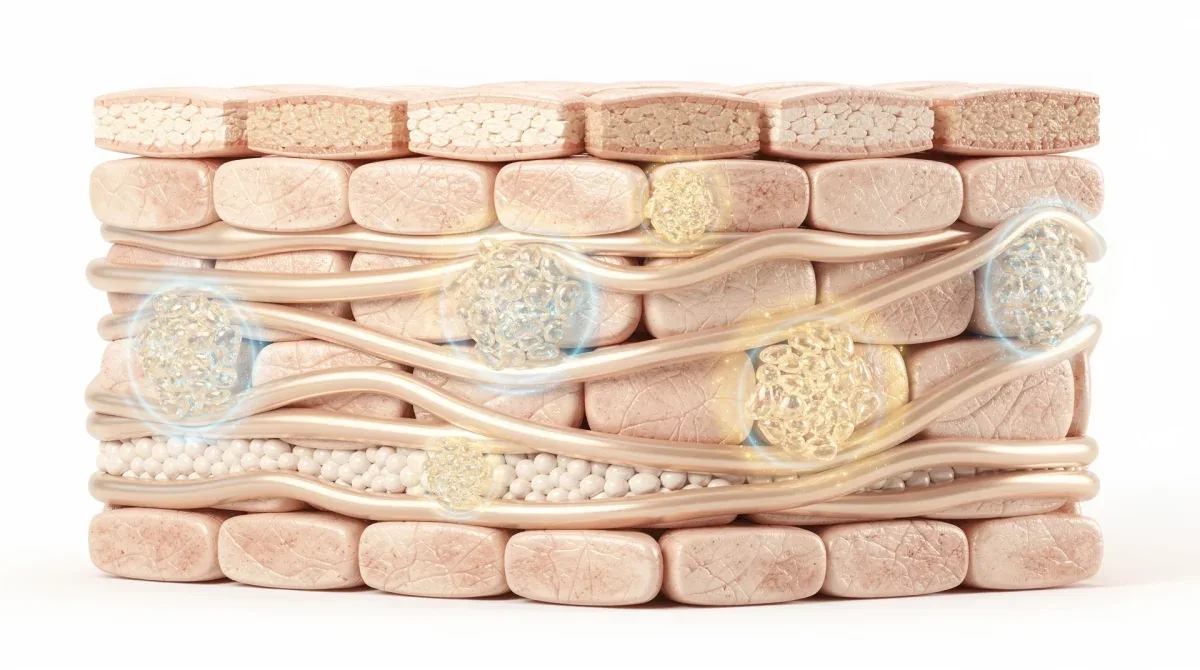
The skin barrier, primarily the stratum corneum, acts as the body's first line of defense against external threats like pollutants, bacteria, and allergens, while simultaneously preventing transepidermal water loss. A healthy barrier is crucial for maintaining hydration, elasticity, and overall skin resilience.
When this barrier is compromised by aggressive exfoliation, its ability to perform these vital functions is severely diminished. This can lead to a cascade of issues, including chronic inflammation, heightened reactivity, and an increased risk of infections.
Dermatologists emphasize that nurturing the skin barrier is foundational to any effective skincare regimen. Prioritizing its health ensures that the skin can properly absorb beneficial ingredients and withstand daily stressors, making the recommendation to cap AHA usage a proactive measure.
Why Dermatologists Recommend Capping Your Sunday Chemical Exfoliation at 10% AHA for Barrier Repair in 2026
The 10% AHA cap for Sunday chemical exfoliation is a targeted strategy to minimize irritation and support the skin's natural repair processes. This specific percentage is considered effective for exfoliation without being overly aggressive.
According to reports from the American Academy of Dermatology, formulations exceeding 10% AHA, especially when used weekly, can strip essential lipids and proteins from the skin barrier. This leaves the skin vulnerable and susceptible to damage, counteracting the very benefits exfoliation aims to achieve.
The recommendation for 2026 is a data-driven response to observed clinical outcomes, where patients presenting with barrier dysfunction often reported using high-strength exfoliants frequently. This evidence supports a more gentle, consistent approach.
The Science Behind the 10% AHA Recommendation
Alpha Hydroxy Acids (AHAs) work by dissolving the bonds between dead skin cells, promoting their shedding and revealing brighter, smoother skin. However, the concentration dictates the depth and intensity of this action.
Studies indicate that AHA concentrations between 5% and 10% are generally sufficient for effective exfoliation on a weekly basis, particularly for at-home use. Higher concentrations are typically reserved for professional treatments where skin response can be closely monitored.
The 10% threshold strikes a balance, offering adequate exfoliation benefits while allowing the skin barrier ample time to recover and reinforce itself between applications. This is a key aspect of Sunday Chemical Exfoliation.
Impact on Self-Care Sundays and Skincare Routines
The new guidelines will significantly influence how individuals approach their 'Self-Care Sunday' routines, shifting the focus from intense treatments to balanced care. This encourages a more holistic view of skin health, emphasizing long-term resilience over immediate, aggressive results.
Consumers are advised to review their current exfoliant concentrations and adjust their routines accordingly, ensuring they do not exceed the 10% AHA limit for weekly at-home use. This adjustment is crucial for preventing potential damage and promoting barrier recovery.
Furthermore, this recommendation encourages the integration of barrier-supporting ingredients into post-exfoliation routines. Ingredients like ceramides, hyaluronic acid, and niacinamide become even more vital in replenishing and strengthening the skin.
Adjusting Your Exfoliation Frequency and Product Choices
It is not just about the percentage; frequency also plays a critical role. Even a 10% AHA product might be too much for some skin types if used too often, highlighting the importance of listening to your skin.
For those with sensitive skin or a history of barrier issues, dermatologists suggest starting with lower AHA concentrations, perhaps 5%, and gradually increasing if tolerated. Patch testing new products remains an essential step before full application.
Product choices should also lean towards formulations that combine AHAs with soothing and hydrating ingredients, minimizing potential irritation. This balanced approach is central to understanding Sunday Chemical Exfoliation.
Recognizing Signs of a Compromised Skin Barrier
Understanding when your skin barrier is compromised is crucial for preventing further damage and adjusting your skincare routine effectively. The signs can be subtle at first but become more pronounced with continued irritation.
Common indicators include persistent redness, flakiness, tightness, and an increased sensitivity to products that previously caused no issues. Your skin might also feel rough or appear dull, lacking its usual radiance.
If these symptoms arise, it is imperative to temporarily halt all active exfoliants and focus on barrier repair with gentle, nourishing products. This proactive response can prevent minor irritation from escalating into more significant dermatological concerns.
The Role of Hydration and Soothing Ingredients
Hydration is paramount for a healthy skin barrier. When the barrier is compromised, it struggles to retain moisture, leading to dehydration and further weakening. Incorporating humectants like hyaluronic acid and glycerin can draw moisture into the skin.
Emollients and occlusives, such as ceramides, squalane, and petrolatum, help to seal in moisture and repair the lipid matrix of the skin barrier. These ingredients are essential for rebuilding and strengthening the skin’s protective layer.
Soothing ingredients like centella asiatica, aloe vera, and colloidal oatmeal can reduce inflammation and calm irritated skin, providing comfort while the barrier heals. These components are vital for anyone trying to understand Sunday Chemical Exfoliation.
Expert Insights on Sustaining Skin Health in 2026
Leading dermatologists emphasize that the 2026 recommendation is part of a broader shift towards more sustainable and holistic skincare practices. The focus is on longevity and health rather than quick, potentially damaging fixes.
Dr. Sarah Miller, a board-certified dermatologist, stated, "Our aim is to educate consumers on the delicate balance required for truly healthy skin. Aggressive exfoliation might offer immediate gratification, but it often comes at the expense of long-term barrier integrity."
This perspective underscores the importance of a well-rounded routine that supports the skin’s natural functions. It’s about building resilience from within, ensuring the skin can protect itself effectively.
Preventative Measures and Long-Term Benefits
Adopting the 10% AHA cap for Sunday chemical exfoliation is a key preventative measure against barrier damage. This simple adjustment can lead to significant long-term benefits, including reduced sensitivity and a more even skin tone.
Consistent adherence to these guidelines, combined with adequate hydration and sun protection, will contribute to a stronger, healthier skin barrier over time. This proactive approach minimizes the need for extensive repair interventions later.
The long-term benefits extend beyond just barrier health, impacting overall skin appearance and texture. A well-maintained barrier means fewer breakouts, less redness, and a more radiant complexion, reinforcing Sunday Chemical Exfoliation.
Future Trends in Skincare: Beyond Exfoliation
The dermatological community anticipates that the emphasis on skin barrier health will drive innovation in other areas of skincare. This includes the development of more sophisticated barrier-supporting ingredients and formulations.
Expect to see a rise in products specifically designed to strengthen the microbiome and improve the skin’s natural defense mechanisms. This holistic approach will move beyond mere surface-level treatments to address underlying skin health.
Furthermore, personalized skincare solutions, informed by individual skin barrier assessments, are likely to become more prevalent. This tailored approach will ensure that each person receives the most appropriate and effective care for their unique skin needs.
Integrating Technology for Personalized Barrier Care
Advancements in diagnostic technology will play a crucial role in the future of skin barrier care. Devices capable of assessing skin hydration levels, lipid content, and barrier integrity will become more accessible.
These technologies will empower both dermatologists and consumers to make more informed decisions about skincare routines, moving away from a one-size-fits-all approach. Personalized recommendations will be based on objective data rather than generalized advice.
The synergy between scientific research, technological innovation, and practical dermatological recommendations, such as Sunday Chemical Exfoliation, will define the next era of skincare, ensuring healthier, more resilient skin for everyone.
Navigating the Skincare Market with New Recommendations
As these new dermatological guidelines gain traction, consumers will need to be more discerning when navigating the vast skincare market. Product labels and ingredient lists will become even more critical in making informed choices.
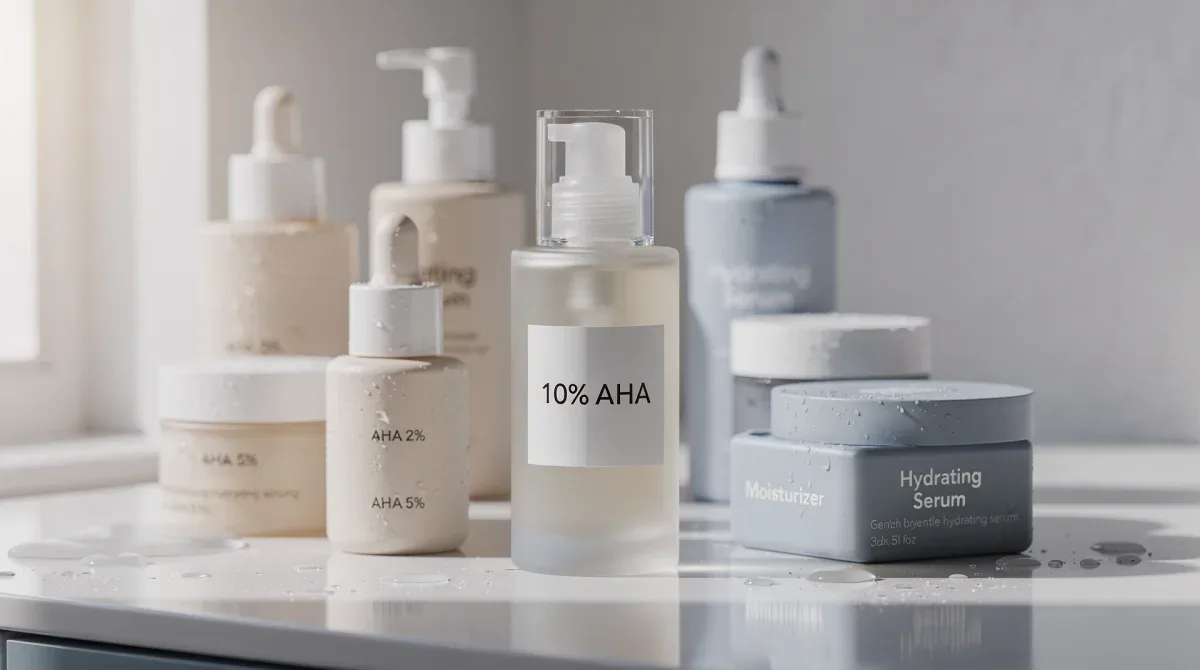
Look for clear indications of AHA percentages and seek out products that explicitly state their focus on barrier support or gentle exfoliation. Don’t be swayed by marketing claims that promise extreme results without considering skin health implications.
Consulting with a dermatologist or a qualified skincare professional remains the best way to tailor a routine that respects these new recommendations and addresses individual skin concerns effectively. They can provide personalized advice on Sunday Chemical Exfoliation.
The Importance of Ingredient Transparency
The movement towards clearer and more transparent ingredient labeling is gaining momentum, aligning perfectly with the need for consumers to understand what they are applying to their skin. Brands are increasingly being encouraged to provide detailed information about active concentrations.
This transparency empowers consumers to make educated decisions, especially concerning potent ingredients like AHAs. It helps them avoid products that might inadvertently compromise their skin barrier, ensuring their routine aligns with dermatological advice.
As the industry evolves, expect to see more brands adopting practices that prioritize consumer education and skin health, reflecting a collective commitment to responsible skincare. This ensures that the message of Sunday Chemical Exfoliation is widely understood.
Key Point | Brief Description |
|---|---|
AHA Cap | Dermatologists recommend capping Sunday chemical exfoliation at 10% AHA. |
Barrier Repair | This limit prioritizes skin barrier health and prevents over-exfoliation damage. |
2026 Guideline | The recommendation is a new standard for at-home chemical exfoliation in 2026. |
Holistic Skincare | Encourages balanced routines with soothing ingredients for long-term skin health. |
Frequently Asked Questions About Sunday Exfoliation
Why is 10% AHA the recommended cap for Sunday chemical exfoliation?▼
Dermatologists recommend 10% AHA as an optimal balance for effective exfoliation without compromising the skin barrier. Higher concentrations, especially with weekly use, can strip essential lipids, leading to irritation and weakened defenses. This cap ensures gentle yet effective cell turnover, prioritizing long-term skin health and resilience against environmental stressors.
What are the risks of exceeding 10% AHA in weekly at-home exfoliation?▼
Exceeding 10% AHA can lead to over-exfoliation, manifesting as redness, increased sensitivity, dryness, and a compromised skin barrier. This makes the skin more vulnerable to environmental damage, infections, and can exacerbate existing conditions like rosacea or acne. Long-term, it can disrupt the skin's natural healing processes and lead to chronic irritation.
How can I tell if my skin barrier is compromised from over-exfoliation?▼
Signs of a compromised skin barrier include persistent dryness, flakiness, tightness, increased sensitivity to products, redness, and a dull appearance. Your skin might also feel rough to the touch or sting when applying gentle moisturizers. If you notice these symptoms, it’s crucial to pause active exfoliants and focus on barrier-repairing ingredients to restore skin health.
What ingredients should I use to support skin barrier repair after exfoliation?▼
To support skin barrier repair, incorporate ingredients like ceramides, hyaluronic acid, niacinamide, squalane, and fatty acids into your routine. These components help replenish lost lipids, attract and retain moisture, and reduce inflammation. Using gentle, fragrance-free moisturizers and serums rich in these ingredients is vital for restoring and strengthening the skin’s protective layer.
Will this recommendation change how skincare products are formulated in 2026?▼
Yes, this recommendation is expected to influence product formulations in 2026. Brands are likely to develop more balanced AHA products, emphasizing lower concentrations and combining them with barrier-supporting ingredients. There will likely be a greater focus on gentle, effective exfoliation that aligns with dermatological advice, promoting overall skin health and resilience for consumers.
What this means
The updated guidance on Sunday Chemical Exfoliation marks a pivotal moment in skincare. It reinforces the critical importance of a healthy skin barrier, moving away from aggressive exfoliation towards a more nurturing approach.
Consumers are encouraged to reassess their routines, prioritize gentle care, and integrate barrier-supporting ingredients for resilient, radiant skin. This shift reflects a deeper scientific understanding and a commitment to long-term dermatological health.