Color Theory: How to Choose the Right Makeup Shades for Your Skin Tone
Advertisements
Ever wondered why that viral lipstick looks stunning on your best friend but totally washes you out? The secret lies in Color Theory, the ultimate blueprint for decoding how different pigments interact with your unique skin chemistry.
It’s time to move beyond guesswork and master the art of the chromatic wheel to find your perfect match. By identifying your specific undertone, you can select products that harmonize with your natural glow rather than clashing against it.
Stop settling for mismatched foundations and start building a complementary palette that elevates your look. Let’s explore how to use these artistic principles to ensure every shade you apply feels intentionally designed for your face.
Advertisements
The Foundation of Flawless: Deciphering Your Skin Tone
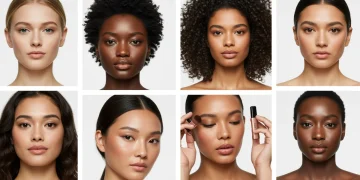
Identifying your skin tone is the initial, critical step in understanding color theory for makeup application in 2026. Skin tone refers to the surface color of your skin, which can range from fair to deep.
While seemingly straightforward, it forms the basis for all subsequent color decisions.
This primary identification helps narrow down the vast array of makeup products, making the selection process more manageable.
Incorrectly identifying your skin tone can lead to makeup that looks unnatural or creates an undesirable contrast with your natural complexion. Precision here sets the stage for success.
Accurate assessment often requires observing your skin in natural light, as artificial lighting can distort perception. This careful observation is crucial for an effective and harmonious makeup routine. Investing time in this initial step yields significant benefits in the long run.
Unveiling Undertones: The Secret to Harmonious Hues
Beyond skin tone lies the more subtle, yet equally vital, concept of undertones, which are the colors beneath the surface of your skin. These undertones significantly influence how various makeup shades appear on your complexion. Understanding color theory at this level is transformative.
There are three primary undertones: warm, cool, and neutral. Warm undertones typically have a golden, peachy, or yellow hue, while cool undertones exhibit pink, red, or bluish tints. Neutral undertones present a balance of both, making them highly versatile.
Correctly identifying your undertone is paramount for choosing foundations, concealers, and even eyeshadows that blend seamlessly. A mismatch can result in a chalky, ashy, or overly orange appearance, detracting from your desired look. This nuanced understanding elevates your makeup game.
Methods for Identifying Your Undertone
Several reliable methods exist to determine your undertone, offering practical ways to gain clarity. These techniques are simple to perform and require no special equipment. The insights gained are invaluable for personalized makeup selection.
One popular method involves examining the color of your veins on the underside of your wrist. If your veins appear blue or purple, you likely have cool undertones.
Green veins suggest warm undertones, while a mix of both or difficulty in distinguishing indicates neutral undertones.
Another effective test is the jewelry test: silver jewelry tends to flatter cool undertones, while gold jewelry complements warm undertones. If both silver and gold look equally good on you, then you probably have neutral undertones. This simple comparison provides immediate feedback.
The white paper test also offers clear indicators: hold a plain white sheet of paper next to your bare face in natural light.
If your skin appears yellowish against the white, you have warm undertones. If it looks pinkish or rosy, your undertone is cool. If you see a mix or neither, you’re likely neutral.
Observing how your skin reacts to sun exposure can also be telling. Those with cool undertones tend to burn easily and tan minimally, often turning pink or red.
People with warm undertones usually tan easily and rarely burn, developing a golden-brown hue. Neutral undertones show a combination of these reactions.
The clothing test involves holding different colored fabrics near your face. Earthy tones like olive green, brown, and orange often enhance warm undertones, while jewel tones such as royal blue, emerald green, and deep purple flatter cool undertones.
Neutral undertones can pull off a wider range of colors.
Selecting Foundation and Concealer: The Perfect Match
Once your skin tone and undertone are established, selecting the right foundation and concealer becomes a much more precise task.
These products are the canvas for your entire makeup look, and their proper selection is fundamental to understanding color theory in practice. A perfect match creates a seamless base.
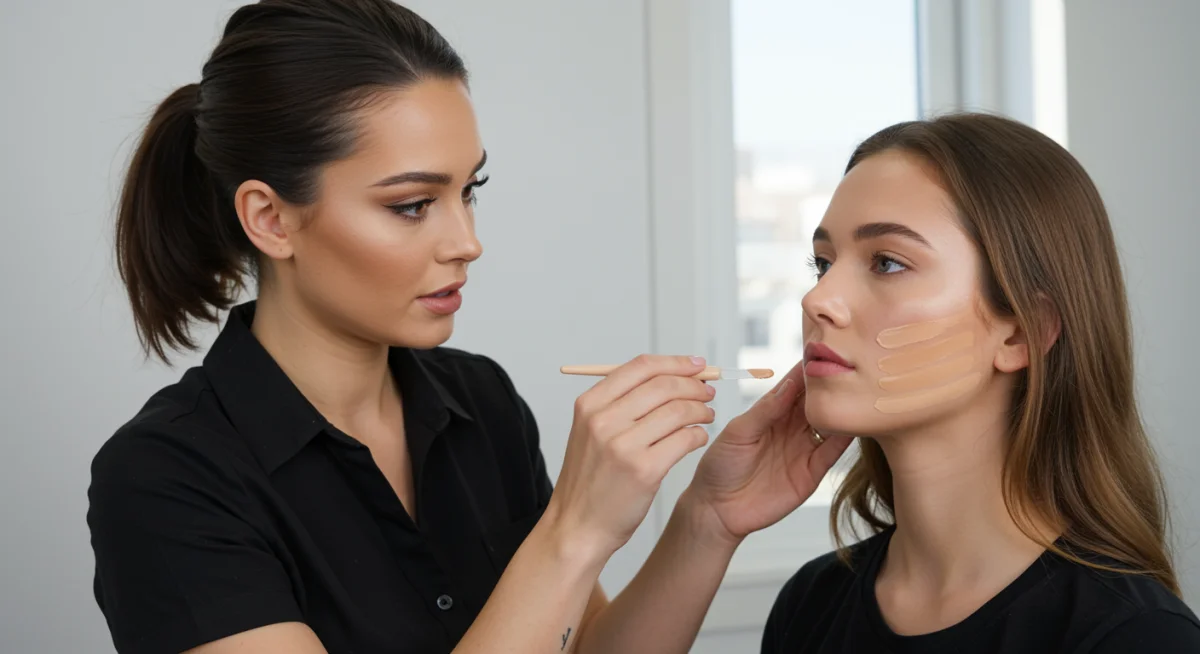
For foundations, always swatch shades on your jawline, not your hand, and check the color in natural light. The ideal shade should disappear into your skin, blending effortlessly without leaving a noticeable line. This meticulous approach prevents the dreaded mask-like effect.
Concealers should typically match your foundation for blemishes, but for brightening under-eyes, a shade lighter with a peachy or yellow undertone can counteract darkness. The goal is to correct and enhance without drawing undue attention to the product itself. Strategic application is key.
Undertone-Specific Foundation Guidance
For those with warm undertones, foundations with yellow or golden bases are most suitable. These shades will harmonize with your skin’s natural warmth, preventing an ashy or dull appearance. Brands often label these as ‘warm’ or include ‘W’ in their shade codes.
Individuals with cool undertones should opt for foundations with pink or red bases. These cooler tones will prevent your skin from looking overly yellow or sallow. Look for labels indicating ‘cool’ or ‘C’ in the shade description to ensure a proper match.
Neutral undertones offer the most flexibility, as foundations with balanced beige or peach tones will typically work best. These shades avoid leaning too warm or too cool, providing a natural finish. Many brands now offer ‘neutral’ or ‘N’ shades specifically for this undertone category.
It’s also important to consider the oxidation of foundation. Some formulas can deepen or change color slightly after being exposed to air for a short period.
Always allow a swatched foundation to sit on your skin for a few minutes before making a final decision. This waiting period can save you from a mismatched purchase.
Seasonal changes can also affect your skin tone, requiring slight adjustments to your foundation shade. Your skin may become slightly darker in summer or lighter in winter.
Having two complementary shades, or a mixing medium, can help you adapt your foundation throughout the year for continuous perfection.
Blush and Bronzer: Adding Dimension and Warmth
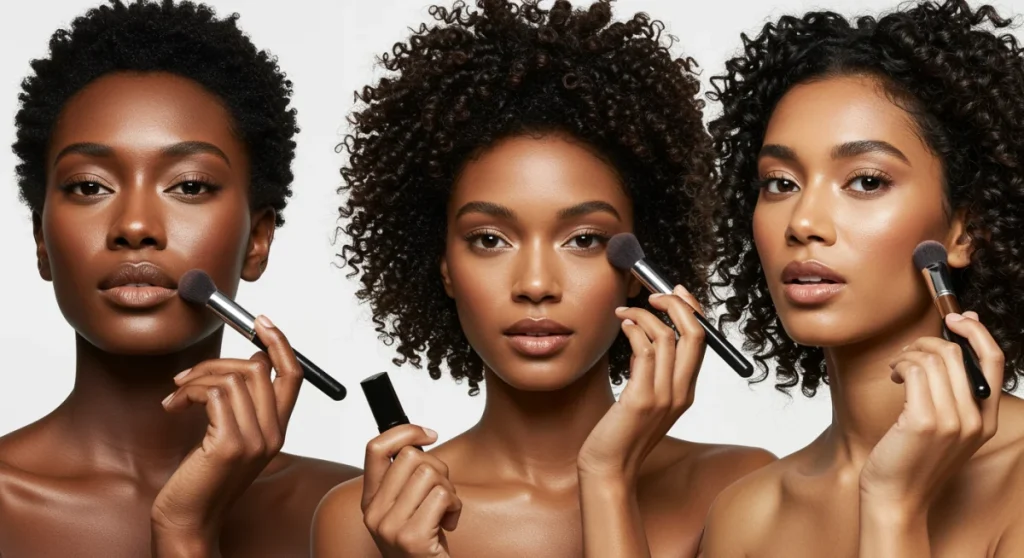
Blush and bronzer are essential for adding dimension, warmth, and a healthy glow to the face. When applying these, understanding color theory ensures that the shades enhance your natural complexion rather than clashing with it.
Strategic placement is as important as shade selection.
For cool undertones, rosy pinks, berry tones, and cool peaches for blush work beautifully, mimicking a natural flush. Bronzers with a slight reddish or neutral brown tint will add warmth without appearing orange. The aim is a subtle, natural enhancement.
Warm undertones are best complemented by peachy, coral, and terracotta blushes, which bring out the skin’s inherent golden glow. Bronzers with golden or honey undertones will provide a sun-kissed look without appearing muddy. These shades enhance natural radiance.
Choosing Blush and Bronzer for Neutral Undertones
Neutral undertones have the advantage of being able to wear a wide spectrum of blush and bronzer shades. Soft pinks, warm peaches, and even muted berries can all be flattering. The key is to avoid anything too extreme in either coolness or warmth.
For bronzer, a true neutral brown that isn’t too orange or too gray will work best, providing a natural contour and warmth. Experimentation within a balanced range allows for diverse looks. This versatility is a significant advantage for those with neutral undertones.
When applying blush, focus on the apples of your cheeks for a youthful flush, blending upwards towards your temples.
Bronzer should be applied where the sun naturally hits your face: forehead, cheekbones, nose, and chin. Blending is crucial for a seamless, natural finish, avoiding harsh lines.
Consider the intensity of the pigment, especially for blush. Start with a small amount and build up the color gradually to avoid applying too much. This allows for greater control and a more natural-looking result, which is always the goal in modern makeup application.
For deeper skin tones, highly pigmented blushes and bronzers are often necessary to show up vibrantly.
Rich reds, deep plums, and vibrant oranges can look stunning as blush, while deep bronze and mahogany tones work beautifully as bronzer. Always test shades to ensure they translate well on your skin.
Eyeshadow Selection: Harmonizing with Your Eyes and Skin
Eyeshadows offer an expansive playground for creativity, but the principles of understanding color theory remain essential for a cohesive look.
The goal is to choose shades that not only complement your eye color but also harmonize with your skin’s undertones. This dual consideration elevates your eye makeup.
For cool undertones, eyeshadows in cool browns, grays, silvers, blues, and purples tend to be most flattering. These shades enhance the natural coolness of the skin and can make eye colors pop. Think cool-toned neutrals and jewel tones.
Warm undertones are beautifully complemented by earthy tones like warm browns, golds, coppers, olives, and oranges. These shades bring out the warmth in the skin and create a rich, inviting look. Golds and bronzes are particularly striking.
Eye Color and Eyeshadow Choices
Beyond skin undertones, your eye color plays a significant role in eyeshadow selection. Complementary colors on the color wheel create the most striking contrast.
For blue eyes, browns, golds, and oranges create a vibrant effect. These warm tones make blue eyes appear even bluer.
Green eyes are enhanced by purples, plums, and reddish-browns. These shades provide a beautiful contrast that intensifies the green. Earthy tones like deep olives and bronzes also work exceptionally well, bringing out the richness of green eyes. Experiment with different depths of these colors.
Brown eyes are incredibly versatile and can pull off almost any color. However, blues, greens, and purples can make brown eyes sparkle.
Metallic shades like gold, copper, and bronze also beautifully enhance the depth and warmth of brown eyes. The options are truly limitless for brown-eyed individuals.
Hazel eyes, with their mix of green and brown, benefit from shades that complement both. Purples, greens, and golds can highlight different aspects of hazel eyes. The key is to choose colors that bring out the desired hue, whether it’s more green or more brown. This flexibility makes hazel eyes dynamic.
Consider the intensity and finish of your eyeshadows. Matte shades provide a more subtle, structured look, while shimmers and metallics add dimension and sparkle.
Combining different finishes can create a multi-faceted and professional eye makeup look. Don’t be afraid to mix textures.
Lip Colors: The Finishing Touch
Lip colors are often the final element of a makeup look, and their selection greatly benefits from understanding color theory.
The right lip shade can brighten your entire face, while the wrong one can detract from your overall appearance. It’s about finding harmony with your skin and undertones.
For cool undertones, lip colors with blue or purple bases are incredibly flattering. Think true reds, fuchsia, berry shades, and cool pinks. These colors enhance the natural coolness of the skin, creating a vibrant and cohesive look. Avoid overly orange or yellow-based lipsticks.
Warm undertones are best suited for lip colors with orange, yellow, or golden bases. Coral, terracotta, warm reds, peach, and nude shades with a golden tint will complement your skin beautifully.
These colors bring out the natural warmth and radiance of your complexion. Steer clear of cool, blue-based shades.
Matching Lip Shades to Neutral Undertones
Neutral undertones have the luxury of experimenting with a broad spectrum of lip colors. Both warm and cool-toned shades can work, depending on the desired effect. The goal is to choose shades that don’t lean too heavily in one direction, maintaining balance.
Universal shades like true reds, rose pinks, and certain nudes often look good on neutral undertones. Experimentation is encouraged to discover personal favorites that align with your overall makeup style. This flexibility allows for diverse and exciting lip looks.
Consider the occasion and the rest of your makeup when choosing a lip color. A bold eye look often pairs well with a more subdued lip, while a neutral eye allows for a vibrant lip color to take center stage. Balance is key to a polished and harmonious appearance.
The finish of your lipstick also plays a role. Matte lipsticks offer a sophisticated, long-lasting look, while satin or glossy finishes provide a more hydrated, plumper appearance.
The choice of finish can significantly alter the overall impact of your lip color. Explore different textures to find your preference.
For those with deeper skin tones, rich, saturated lip colors often look stunning. Deep berries, plums, true reds, and chocolate browns can create a powerful and elegant statement.
Nude shades should be carefully selected to match the natural lip color or to provide a subtle, enhancing contrast. The depth of color is crucial for visibility and impact.
Advanced Color Theory: Monochromatic and Complementary Looks
Beyond basic shade matching, advanced understanding color theory opens up possibilities for more intricate and artistic makeup applications.
Exploring monochromatic and complementary color schemes can elevate your makeup artistry. These techniques add depth and sophistication.
Monochromatic looks involve using different shades, tints, and tones of a single color across your eyes, cheeks, and lips. This creates a cohesive and elegant effect, often appearing very chic and modern. It’s a sophisticated way to utilize your favorite color.
Complementary colors, those opposite each other on the color wheel, create high contrast and can make features pop.
For instance, using a purple eyeshadow with green eyes, or a blue eyeliner with brown eyes, can be incredibly striking. This technique requires careful balancing to avoid an overpowering effect.
Harmonious Palettes for Specific Looks
For a soft, everyday look, focus on analogous colors, those next to each other on the color wheel. For example, a peach blush, a warm brown eyeshadow, and a coral lip create a harmonious and natural flow. This approach ensures a gentle transition between colors.
When aiming for a bolder statement, consider a triadic color scheme, using three colors equally spaced on the color wheel. This is more advanced but can yield incredibly dynamic and artistic results. Such looks are often seen on runways and in editorial makeup.
Remember that the context of your makeup also matters. What works for a daytime office look might be too dramatic for an evening event, and vice-versa.
Adjusting the intensity and placement of colors is key to adapting these theories to different situations. Practice and experimentation are your best tools.
The use of color correctors also falls under advanced color theory. Green correctors neutralize redness, peach or orange correctors cancel out blue or purple undertones under the eyes, and yellow correctors brighten dullness.
These specialized products tackle specific concerns before foundation application, creating an even base.
Finally, understanding how light interacts with color is crucial. Different lighting conditions can alter how your makeup appears. Always check your finished look in various lightings, especially natural light, to ensure it looks consistent and flattering.
This attention to detail ensures your makeup holds up in any environment.
Adapting to Trends: Timeless Color Principles
While makeup trends constantly shift and evolve, the fundamental principles of understanding color theory remain constant.
In 2026, the emphasis on personalized beauty means these timeless principles are more relevant than ever. Trends can be adapted, not blindly followed.
Knowing your skin tone and undertone allows you to intelligently interpret trends, selecting only those aspects that genuinely flatter you.
This prevents wasted purchases and ensures your makeup always looks current and appropriate. It’s about smart beauty consumption.
For example, if a trend favors cool-toned lipsticks but you have warm undertones, you can find a warmer version of that trend to suit your complexion. This adaptability ensures you stay stylish without compromising your best features. Personalization is the ultimate trend.
Longevity of Color Theory in Makeup
Color theory is not a fleeting trend but a scientific concept that underpins all visual arts, including makeup. Its principles are universal and will continue to guide effective makeup application for years to come. Investing in this knowledge is an investment in your long-term beauty expertise.
As new products and formulas emerge, the ability to discern which colors will work for you remains invaluable. This foundational understanding empowers you to navigate the vast beauty market with confidence and precision.
It’s about making educated choices rather than relying on guesswork.
Furthermore, an understanding of color theory allows for greater creativity. Once you grasp the rules, you can then strategically break them to create unique and artistic looks that still appear harmonious.
This mastery transforms makeup from a routine into an art form, fostering self-expression.
The rise of AI-powered beauty tools and virtual try-on experiences in 2026 will increasingly rely on these core color theory principles.
These technologies aim to analyze your complexion and recommend shades, but a personal understanding allows you to critically evaluate these suggestions and make the final, informed decision. Your expertise remains paramount.
Ultimately, understanding color theory is about achieving confidence and feeling good in your own skin. When your makeup truly complements your natural features, it enhances your self-perception and how you present yourself to the world.
This fundamental knowledge is a powerful tool in your beauty arsenal for 2026 and beyond.
| Key Point | Brief Description |
|---|---|
| Skin Tone & Undertone | Essential for personalized makeup. Skin tone is surface color, undertone is sub-surface (warm, cool, neutral). |
| Foundation Matching | Swatch on jawline in natural light; choose shades that disappear into skin for a seamless base. |
| Color Harmony | Select blush, bronzer, eyeshadow, and lip colors that complement your specific undertone. |
| Adapting Trends | Use color theory to intelligently adapt makeup trends to your unique complexion for flattering results. |
Frequently Asked Questions About Makeup Color Theory
To definitively determine your undertone, check your wrist veins in natural light: blue/purple indicates cool, green indicates warm, and a mix or unclear color suggests neutral. The jewelry test (silver for cool, gold for warm) and the white paper test are also reliable methods. Observe how your skin reacts to sun exposure for further clues.
Your undertone generally remains constant throughout your life, as it’s determined by genetics. However, sun exposure can alter your surface skin tone, making it appear warmer or darker. This temporary change might require adjusting your foundation shade, but your underlying undertone will not fundamentally shift.
Common mistakes include choosing foundation that is too light or dark, not accounting for undertones, and selecting lip or eye colors that clash with the complexion. Testing products in artificial light, not swatching on the jawline, and buying based solely on trends without considering personal features also lead to poor choices.
While no single color truly flatters absolutely everyone, certain shades are widely considered more versatile. Muted rose tones, soft mauves, and true berry shades often work well across various skin tones and undertones. Neutral browns and taupes for eyes are also highly adaptable. It’s about finding the right depth and intensity.
Color theory is crucial for color correction. Green cancels redness (rosacea, blemishes), orange/peach neutralizes blue/purple (dark circles on medium/deep skin), and yellow brightens dullness. Apply these correctors sparingly before foundation to create an even canvas. This technique relies on complementary colors to neutralize unwanted hues effectively.
What this means
The ongoing emphasis on understanding color theory for makeup in 2026 signifies a shift towards more informed and personalized beauty practices.
This knowledge empowers consumers to make choices that truly enhance their appearance, moving beyond fleeting trends.
As new products and digital tools emerge, a solid grasp of color principles will remain the cornerstone of effective makeup application, ensuring lasting confidence and a polished look.