Dressing Room Anxiety: 3-Step Strategy for Body Confidence
Advertisements
Have harsh fitting room mirrors and unforgiving lighting ever ruined your shopping trip? Experiencing Dressing Room Anxiety is a common hurdle for shoppers navigating changing room environments. The intense pressure of trying on ill-fitting garments often triggers self-critical thoughts that cloud personal confidence.
This discomfort rarely stems from your physical figure, but rather from inconsistent sizing standards and harsh environmental triggers. By shifting your mindset away from rigid garment tags, you can transform trial spaces into neutral, empowered environments that prioritize personal comfort over artificial proportions.
Reclaiming body confidence requires actionable grounding techniques and mindful wardrobe curation before stepping into the stall. Mastering a simple three-step strategy enables you to silence internal judgment, embrace your natural shape, and build a stress-free shopping routine.
Understanding the Scope of Dressing Room Anxiety
Dressing room anxiety is not merely a fleeting discomfort but a deeply rooted psychological response, often triggered by societal pressures and personal body image issues. For many, the act of trying on clothes under harsh lighting and unforgiving mirrors becomes a direct confrontation with their insecurities.
The data suggesting that 68% of women experience this anxiety underscores its pervasive nature, indicating a systemic challenge within the retail and fashion industries. This percentage represents millions of women whose shopping experiences are marred by feelings of inadequacy and self-consciousness.
This widespread issue warrants a closer examination of its origins, ranging from media portrayals of idealized bodies to personal histories of body shaming, all contributing to a negative self-perception when faced with the mirror in a dressing room.
The Psychological Triggers Behind the Mirror
Psychological triggers for dressing room anxiety often stem from a combination of internal and external factors. Internal pressures, such as perfectionism and self-criticism, can amplify negative self-talk when confronted with one's reflection.
External factors, including the unforgiving lighting in many dressing rooms and the pressure to conform to unrealistic beauty standards, further exacerbate these feelings. The public nature of some dressing room setups can also contribute to a sense of vulnerability and scrutiny.
Unflattering lighting that highlights perceived flaws.
Pressure to fit into specific sizes, leading to feelings of inadequacy.
Societal beauty standards creating unrealistic expectations.
Negative self-talk and internal criticism.
These triggers combine to create an environment where the dressing room becomes a battleground for self-acceptance rather than a space for enjoyable self-expression.
Societal Pressures and Body Image Distortion
Societal pressures play a significant role in shaping body image, often leading to distorted self-perceptions that fuel dressing room anxiety. The constant bombardment of idealized body types in media creates an unattainable standard that many women internalize as their own.
This pervasive influence leads to a cycle of comparison and self-judgment, where women often feel they fall short of these unrealistic ideals. The dressing room then becomes a harsh reminder of these perceived failures, intensifying feelings of inadequacy.
Understanding how these external pressures contribute to internal struggles is vital for dismantling the roots of body image distortion and fostering a more compassionate self-view.
The Media's Role in Shaping Perceptions
The media, encompassing everything from social platforms to traditional advertising, often perpetuates narrow beauty standards that exclude a vast majority of body types. This constant exposure to curated and often digitally altered images creates a skewed perception of what is considered "normal" or "beautiful."
For many women, this leads to an internalized pressure to conform, believing that their worth is tied to achieving these often-unrealistic ideals. This can manifest as heightened self-criticism and dissatisfaction with their own bodies, particularly in vulnerable moments like trying on clothes.
Unrealistic body portrayals in advertising and social media.
Lack of diverse representation across body types and sizes.
Emphasis on thinness or specific body shapes as the ideal.
Impact of celebrity culture and influencer trends on self-perception.
Addressing the media's influence requires critical engagement with content and a conscious effort to seek out diverse and inclusive representations of beauty.
The 3-Step Strategy to Reclaim Body Confidence
Reclaiming body confidence, especially in challenging environments like dressing rooms, involves a deliberate and structured approach. The proposed 3-step strategy focuses on shifting mindset, preparing for the experience, and practicing self-compassion, providing actionable steps for women to overcome dressing room anxiety.
This strategy is designed to empower individuals to take control of their emotional responses and redefine their relationship with their bodies and clothing. It moves beyond quick fixes to cultivate a sustainable sense of self-acceptance and positive body image.
Implementing these steps consistently can transform the dreaded dressing room experience into an opportunity for self-affirmation and joyful self-expression, fostering a healthier overall perspective on one's physical self.
Step 1: Mindset Shift and Pre-Shopping Preparation
The first step involves a crucial mindset shift, recognizing that your worth is not determined by clothing sizes or how clothes fit. Before even stepping into a store, engage in positive affirmations and remind yourself of your inherent value, independent of external appearance.
Preparation is key; research stores with inclusive sizing and comfortable dressing room environments. Opt for stores known for their body-positive ethos, which can significantly reduce potential triggers for dressing room anxiety.
Practice positive self-talk and affirmations before shopping.
Choose comfortable, easy-to-remove clothing for the shopping trip.
Research stores known for inclusive sizing and body-positive policies.
Set realistic expectations for the shopping experience.
This proactive approach helps to build a mental shield against potential negative experiences and sets a more positive tone for the entire outing.
Step 2: Strategic Shopping and Environment Control
Once in the store, strategic shopping involves taking control of your environment to minimize triggers. This means selecting items that genuinely appeal to you and are likely to fit, rather than fixating on specific sizes or trends that may not suit your body type.
In the dressing room, focus on the clothes and how they make you feel, rather than scrutinizing your body. Try different sizes and styles without judgment, understanding that clothing is designed to fit you, not the other way around.
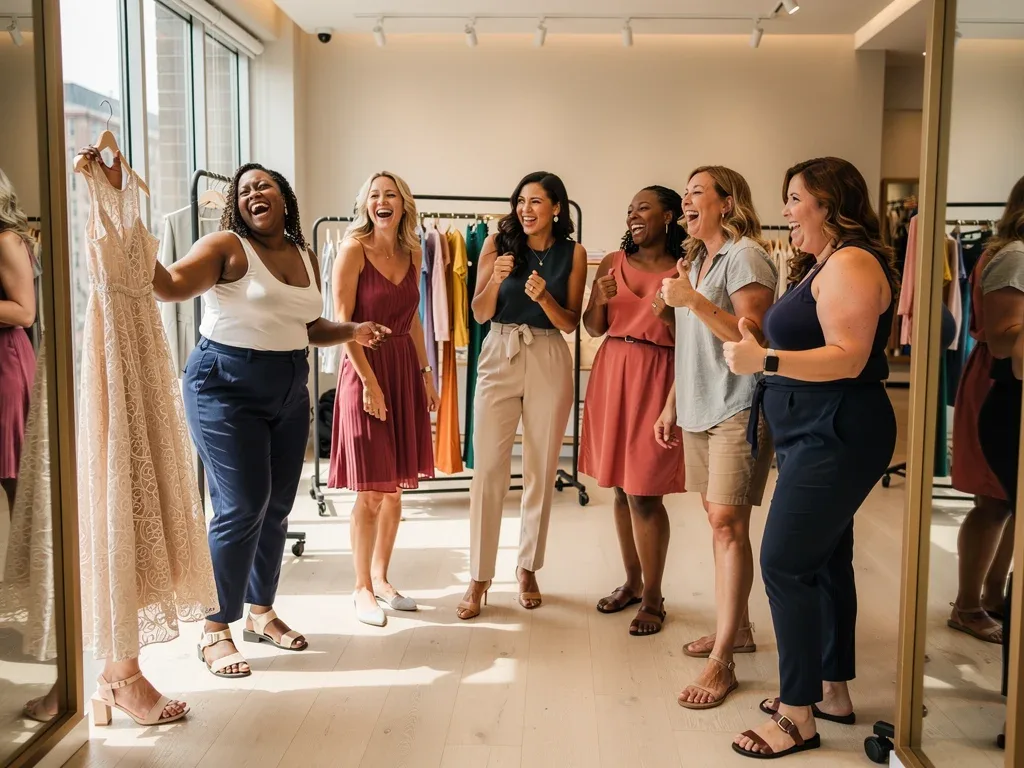
Consider bringing a trusted friend for support and honest, kind feedback. Their presence can create a more positive and less isolating experience, helping to counteract feelings of vulnerability and judgment.
Prioritize comfort and personal style over trends or size tags.
Try on various sizes without self-judgment, focusing on fit and feel.
Bring a supportive friend for an encouraging perspective.
Utilize dressing rooms with better lighting and privacy if available.
By actively managing your shopping approach and environment, you can significantly reduce the intensity of dressing room anxiety and foster a more enjoyable process.
Step 3: Post-Shopping Reflection and Self-Compassion
After the shopping trip, engage in a reflective process that reinforces self-compassion and positive self-talk. Regardless of whether you found perfect items or nothing at all, acknowledge your efforts and treat yourself with kindness.
Avoid dwelling on negative thoughts or perceived flaws that may have arisen during the experience. Instead, focus on what you learned about your preferences and what felt good, reinforcing a healthy relationship with your body.
This final step is crucial for consolidating the gains made in the previous stages and building long-term resilience against future bouts of dressing room anxiety, ensuring that each experience contributes to overall body confidence.
Acknowledge and celebrate successful aspects of the shopping trip.
Practice mindfulness and self-compassion to counteract negative thoughts.
Reflect on what felt good and what you learned about your style.
Avoid dwelling on perceived flaws or disappointments.
By consistently applying these steps, women can gradually dismantle the power of dressing room anxiety and cultivate a more positive and empowering relationship with their bodies and fashion.
The Role of Inclusive Fashion and Retailers
The fashion industry and retailers have a significant role to play in mitigating dressing room anxiety by embracing inclusivity. Moving beyond token gestures, genuine commitment to diverse sizing, representation, and comfortable environments can drastically improve the shopping experience for women.
Brands that actively promote body diversity in their marketing campaigns and offer a wide range of sizes send a powerful message of acceptance and validation. This shift helps to normalize various body types, reducing the pressure on individuals to conform to narrow ideals.
Furthermore, investing in well-designed dressing rooms with flattering lighting, ample space, and privacy can transform a potentially stressful situation into a more comfortable and empowering one, directly addressing a common trigger for anxiety.
Creating Body-Positive Shopping Environments
Creating body-positive shopping environments goes beyond simply offering more sizes; it involves a holistic approach to customer experience. This includes training staff to be empathetic and supportive, fostering an atmosphere where all body types are celebrated.
Retailers can implement initiatives like body-positive signage, diverse mannequins, and even community events focused on self-acceptance. These efforts contribute to a cultural shift within the store that makes women feel seen and valued.
Provide diverse sizing options that accurately reflect real bodies.
Use diverse models in marketing campaigns and in-store displays.
Train staff in body-positive language and customer service.
Design dressing rooms with soft, flattering lighting and spacious layouts.
Such initiatives not only benefit customers by reducing dressing room anxiety but also enhance brand loyalty and attract a broader, more appreciative clientele.
Long-Term Benefits of Cultivating Body Confidence
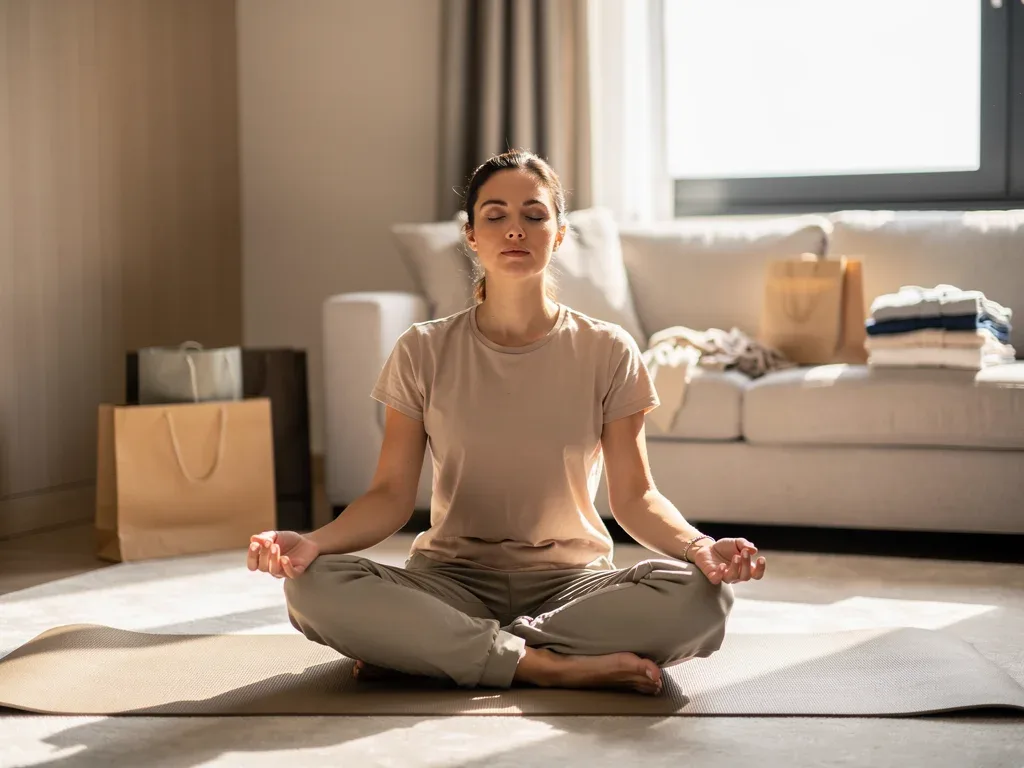
Cultivating body confidence extends far beyond the dressing room, impacting various aspects of a woman's life. Women who overcome dressing room anxiety often experience a ripple effect of increased self-esteem, improved mental well-being, and greater assertiveness in other areas.
This enhanced self-perception can lead to more fulfilling social interactions, greater professional confidence, and a general sense of empowerment. It frees women from the constant internal battle over their appearance, allowing them to focus on their strengths and passions.
The journey to body confidence is an investment in overall well-being, fostering a healthier relationship with oneself that translates into a more vibrant and engaged life.
Empowerment Beyond the Mirror
The empowerment gained from conquering dressing room anxiety can translate into a newfound courage to pursue personal and professional goals. When women feel comfortable in their skin, they are more likely to take risks, express their opinions, and engage fully with the world around them.
This shift from self-criticism to self-acceptance allows for a redirection of mental energy towards more productive and fulfilling pursuits. It fosters a sense of inner peace and resilience, equipping women to navigate life's challenges with greater ease.
Increased self-esteem and reduced self-criticism.
Improved mental health and reduced anxiety.
Greater confidence in social and professional settings.
Enhanced ability to make choices aligned with personal values.
Ultimately, reclaiming body confidence is about reclaiming personal power and living a life unburdened by societal pressures and self-doubt.
Addressing the Stigma and Seeking Support
Addressing the stigma surrounding dressing room anxiety is a critical step towards empowering women to seek and receive the support they need. Many women suffer in silence, feeling ashamed or embarrassed by their feelings, which only exacerbates the problem.
Openly discussing this common experience can validate individual feelings and foster a sense of community, letting women know they are not alone. This collective acknowledgment helps to normalize the issue and encourages a more proactive approach to finding solutions.
Seeking support, whether through friends, family, online communities, or professional guidance, is a powerful act of self-care. It provides external perspectives and coping mechanisms that can be instrumental in overcoming persistent negative body image issues.
Building a Supportive Community
Building a supportive community, both online and offline, is essential for women navigating the challenges of dressing room anxiety. Sharing experiences and strategies with others who understand can provide immense comfort and practical advice.
Platforms like FaceViBy.com aim to foster such communities, offering a safe space for dialogue, shared experiences, and mutual encouragement. These communities can be a powerful antidote to the isolation often felt by those struggling with body image issues.
Participate in online forums and social media groups focused on body positivity.
Connect with friends or family members who share similar experiences.
Seek professional guidance from therapists or counselors specializing in body image.
Engage with resources and articles that promote self-acceptance.
Through collective support and shared understanding, women can find strength and practical tools to effectively manage and ultimately overcome dressing room anxiety.
Future Outlook: Fashion and Well-being Integration
The future outlook for fashion and well-being points towards a greater integration of mental health considerations into retail practices, directly addressing issues like dressing room anxiety. This evolution will see brands not only offering diverse products but also cultivating environments that prioritize customer comfort and psychological well-being.
Innovations in virtual try-on technology and personalized styling services may further reduce the pressure associated with physical dressing rooms, offering alternative, less anxiety-inducing ways to shop. These technological advancements can empower consumers with more control over their shopping experience.
Ultimately, the industry is moving towards a more empathetic and inclusive model, recognizing that true fashion goes beyond aesthetics to encompass how individuals feel about themselves, fostering a holistic approach to style and confidence.
Innovations for a More Confident Shopping Experience
Innovations aimed at creating a more confident shopping experience are rapidly emerging, driven by both consumer demand and technological advancements. Virtual try-on applications, for example, allow individuals to see how clothes might look on their body without the pressure of a physical dressing room.
Personalized styling services, often leveraging AI, can recommend clothing choices that flatter individual body types and personal preferences, reducing the guesswork and potential frustration of traditional shopping. These services aim to empower rather than overwhelm.
Virtual try-on apps and augmented reality for remote shopping.
AI-powered personalized styling and size recommendations.
Interactive and customizable dressing room environments.
Increased focus on sustainable and ethically produced clothing.
These innovations hold the promise of transforming the retail landscape into a more supportive and enjoyable space, mitigating dressing room anxiety and promoting greater body confidence.
Key Point | Brief Description |
|---|---|
Prevalence of Anxiety | 68% of women experience dressing room anxiety due to body image issues. |
Root Causes | Societal pressures, media influence, and harsh retail environments contribute. |
3-Step Strategy | Mindset shift, strategic shopping, and post-shopping self-compassion. |
Industry Role | Inclusive fashion and retailer practices are crucial for positive change. |
Frequently Asked Questions About Dressing Room Anxiety
What exactly is dressing room anxiety?▼
Dressing room anxiety refers to the feelings of stress, self-consciousness, and inadequacy many women experience when trying on clothes in retail changing rooms. It's often triggered by harsh lighting, unflattering mirrors, and societal pressures regarding body image, leading to a negative shopping experience and impacting self-esteem.
Why do so many women experience this?▼
The high prevalence, around 68%, is linked to a combination of factors: unrealistic beauty standards perpetuated by media, personal body image issues, and often poorly designed or judgment-inducing dressing room environments. These elements converge to create a space where perceived flaws are amplified, triggering anxiety.
How can the 3-Step Strategy help?▼
The 3-Step Strategy provides actionable techniques to combat dressing room anxiety. It focuses on preparing your mindset with positive affirmations, controlling your shopping environment by choosing supportive stores and styles, and practicing self-compassion post-shopping. This holistic approach builds resilience and fosters body confidence.
What role do retailers play in this issue?▼
Retailers play a crucial role by influencing the shopping environment. By offering inclusive sizing, diverse representation in marketing, and creating comfortable, well-lit dressing rooms, they can significantly reduce triggers for anxiety. Body-positive practices by brands empower women and enhance their overall shopping experience.
Are there long-term benefits to overcoming this anxiety?▼
Yes, overcoming dressing room anxiety has significant long-term benefits. It leads to increased self-esteem, improved mental well-being, and greater confidence in various aspects of life. Cultivating body confidence empowers women to focus on personal growth, fostering a healthier and more positive relationship with themselves beyond just appearance.
Impact and Implications
The findings on dressing room anxiety underscore a critical intersection of mental well-being and consumer experience that warrants continued attention.
As society progresses towards greater body positivity, understanding and mitigating this widespread issue becomes paramount for both individuals and the retail industry.
The 3-step strategy offers a practical framework for personal empowerment, while the call for inclusive fashion practices highlights the collective responsibility in fostering a more supportive environment.
Monitoring the adoption of these strategies and their impact on consumer behavior will be key in charting the future of confident shopping experiences.